Pune civic body move to deposit Rs 500 crore in Cosmos Coop Bank draws Congress criticism
Source Entity
Ajay Jadhav
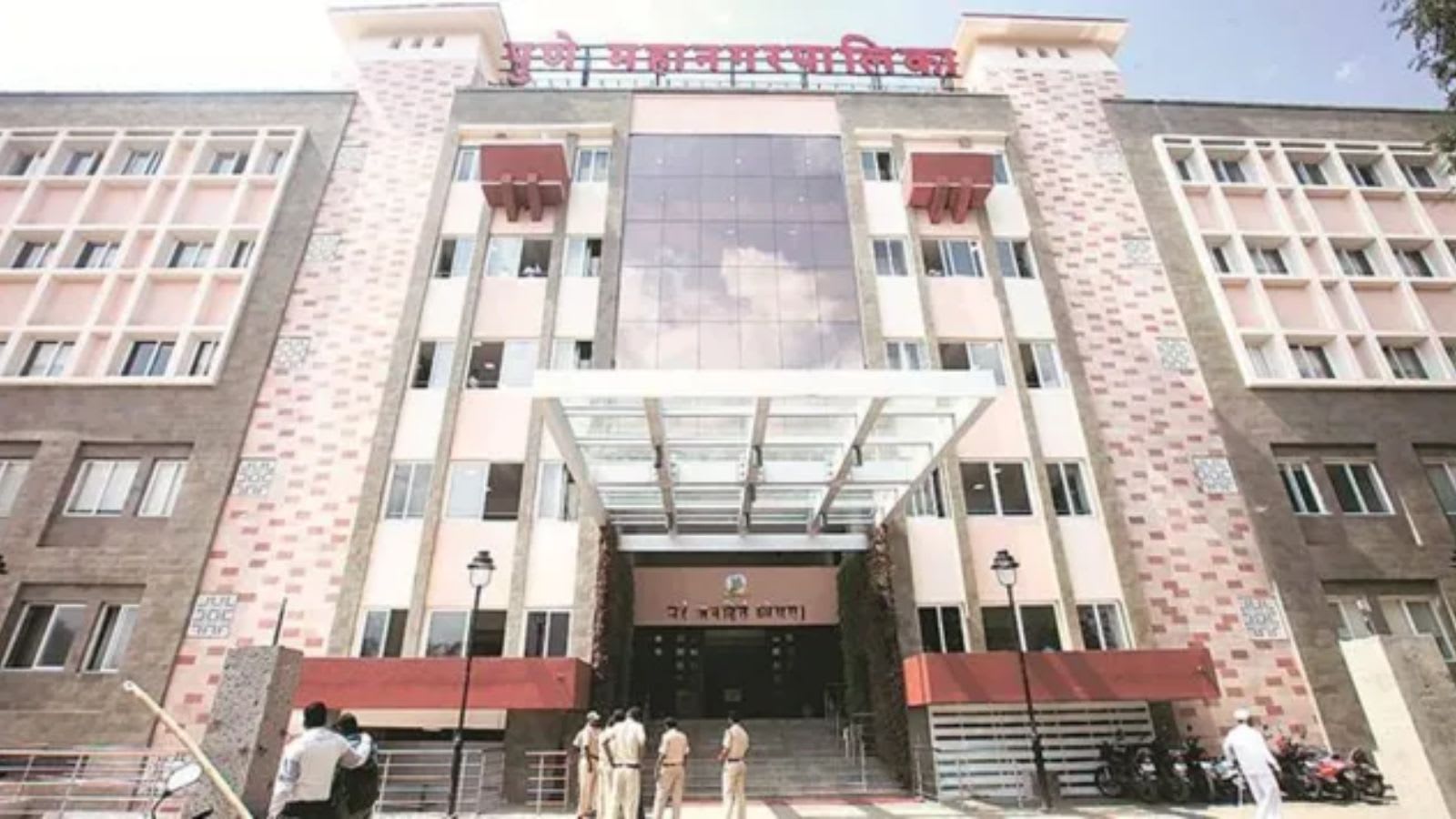
The Pune Municipal Corporation's decision to deposit Rs 500 crore into Cosmos Cooperative Bank to secure an overdraft for road project land acquisition has sparked political controversy. The Congress party has alleged the move is influenced by political pressure to benefit the private cooperative sector.
Financial Maneuvering and Political Backlash in Pune
The Pune Municipal Corporation (PMC) recently ignited a firestorm of political debate following its decision to park Rs 500 crore of public funds into a Fixed Deposit (FD) at Cosmos Cooperative Bank. The move is designed to facilitate a strategic financial maneuver: by placing these funds in the bank, the civic body intends to secure a 95 percent loan against the FD amount through an overdraft facility. According to Shrinath Bhimale, the chairperson of the standing committee, this capital injection is earmarked specifically to expedite land acquisition for the city’s ambitious mega road projects, which are essential for infrastructure development in one of India's fastest-growing urban hubs.
The Mechanics of the Overdraft Strategy
The decision to utilize an overdraft mechanism rather than direct expenditure highlights the complex liquidity management strategies often employed by Indian municipal bodies. By leveraging the Rs 500 crore deposit, the PMC aims to maintain cash flow for immediate land acquisition requirements without liquidating the principal capital prematurely. While this approach provides the necessary liquidity to bypass bureaucratic delays in project funding, it introduces a reliance on the cooperative banking sector, which operates under a different regulatory framework compared to nationalized commercial banks.
Allegations of Political Favoritism
The primary point of contention arises from the choice of the financial institution. The opposition, led by the Congress party, has voiced strong objections, characterizing the move as a potential case of political cronyism. Critics argue that the decision was not purely administrative but rather coerced by external pressures from the Bharatiya Janata Party (BJP) or the Rashtriya Swayamsevak Sangh (RSS). The underlying insinuation is that public funds are being diverted to bolster a cooperative bank that may hold ideological or historical ties to these political entities, thereby raising questions about transparency and fiscal governance.
Governance and Transparency Concerns
This incident underscores the ongoing friction between development-driven urban governance and the need for rigorous financial oversight. When municipal corporations engage in large-scale financial transactions with cooperative banks, they open themselves to scrutiny regarding the selection criteria for such institutions. The Congress party’s dissent highlights a broader anxiety regarding the influence of political agendas on municipal financial decisions. For citizens, this creates a dilemma: balancing the necessity of rapid infrastructure growth against the imperative of ensuring that public deposits are managed with complete neutrality and professional detachment.
Broader Implications for Infrastructure Projects
Land acquisition remains the most significant bottleneck for infrastructure development across India, and Pune is no exception. The urgency to acquire land for mega road projects is palpable, as these projects are intended to alleviate traffic congestion and improve urban mobility. However, the reliance on an overdraft facility against an FD in a cooperative bank demonstrates the financial strain on municipal coffers. If the oversight processes are not perceived as transparent, even well-intentioned infrastructure projects risk being derailed by political instability and public distrust.
Future Trends in Municipal Fiscal Management
Looking forward, this controversy serves as a case study for the evolving relationship between urban local bodies and the financial sector. As cities like Pune continue to seek innovative funding solutions for massive infrastructure goals, the standards for public accountability will likely tighten. Future projects will require greater transparency in banking partnerships to avoid similar accusations of political bias. The resolution of this specific dispute will likely set a precedent for how municipal corporations handle large-scale deposits and loan procurement in the future, potentially leading to more stringent guidelines for selecting banking partners to ensure that public money remains insulated from political influence.