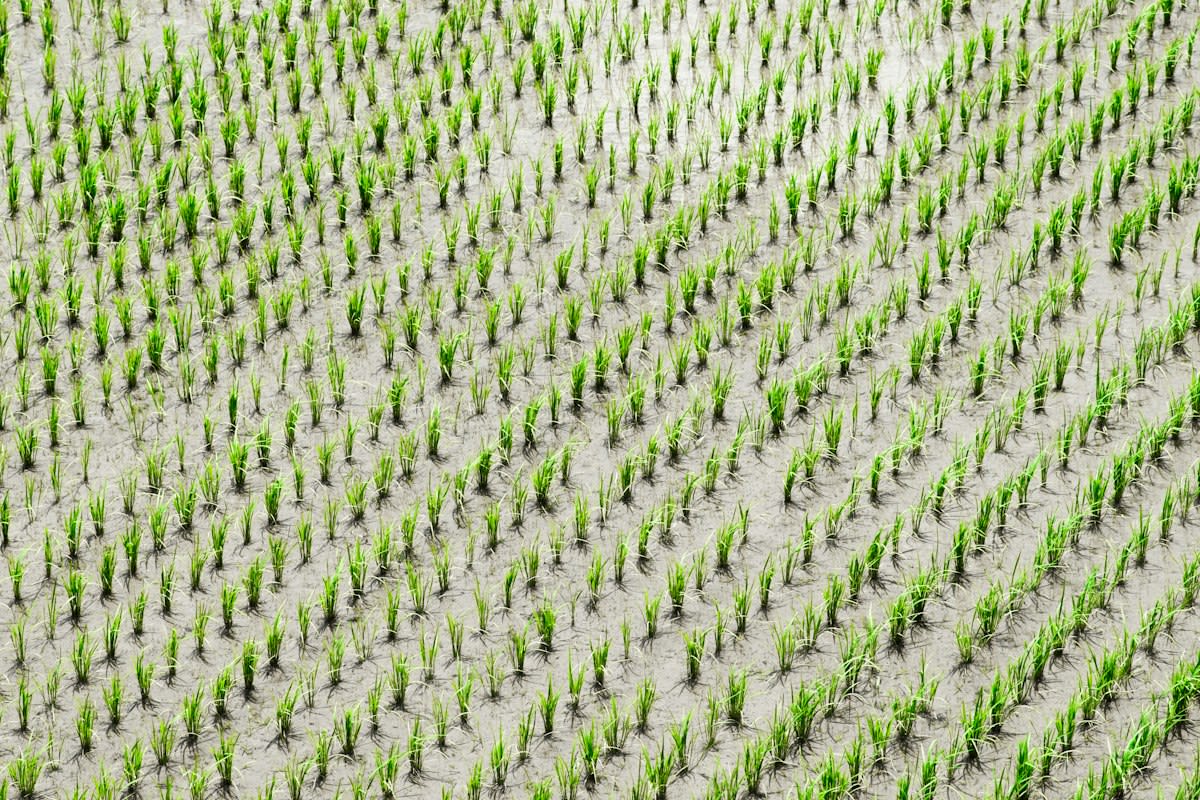
Salt ruins the soil. When the electrical conductivity of a field exceeds 4 dS/m, most staple grains suffer immediate physiological stress and stunted growth (Source: FAO, 2022). Halophytes solve this problem. They do not just survive in brine; they thrive by sequestering sodium into specialized vacuoles to maintain cellular function. This flips the script. We stop treating salinity as a death sentence and start treating it as a resource for niche high-value crops.
Prerequisites for Saline Cultivation
Start with the data. You cannot guess the sodium levels of your terrain if you expect a commercial yield from species like Salicornia or Suaeda (Source: ICAR, 2021). Precision is your only tool. Before purchasing seeds, you must conduct a comprehensive soil profile analysis to identify the depth of the salt crust and the water table level. This prevents early failure. Without these metrics, you are simply gambling with your capital.
- Electrical Conductivity (EC) Meter: To measure soil salinity in deciSiemens per meter (dS/m).
- Water Quality Report: Analysis of boron and chloride levels in the irrigation source.
- Certified Halophyte Seeds: Sourced from regions with similar climatic profiles (e.g., Mediterranean for Salicornia).
- Drainage Infrastructure: Sub-surface pipes to prevent the water table from rising and saturating the root zone.
The Deployment Process
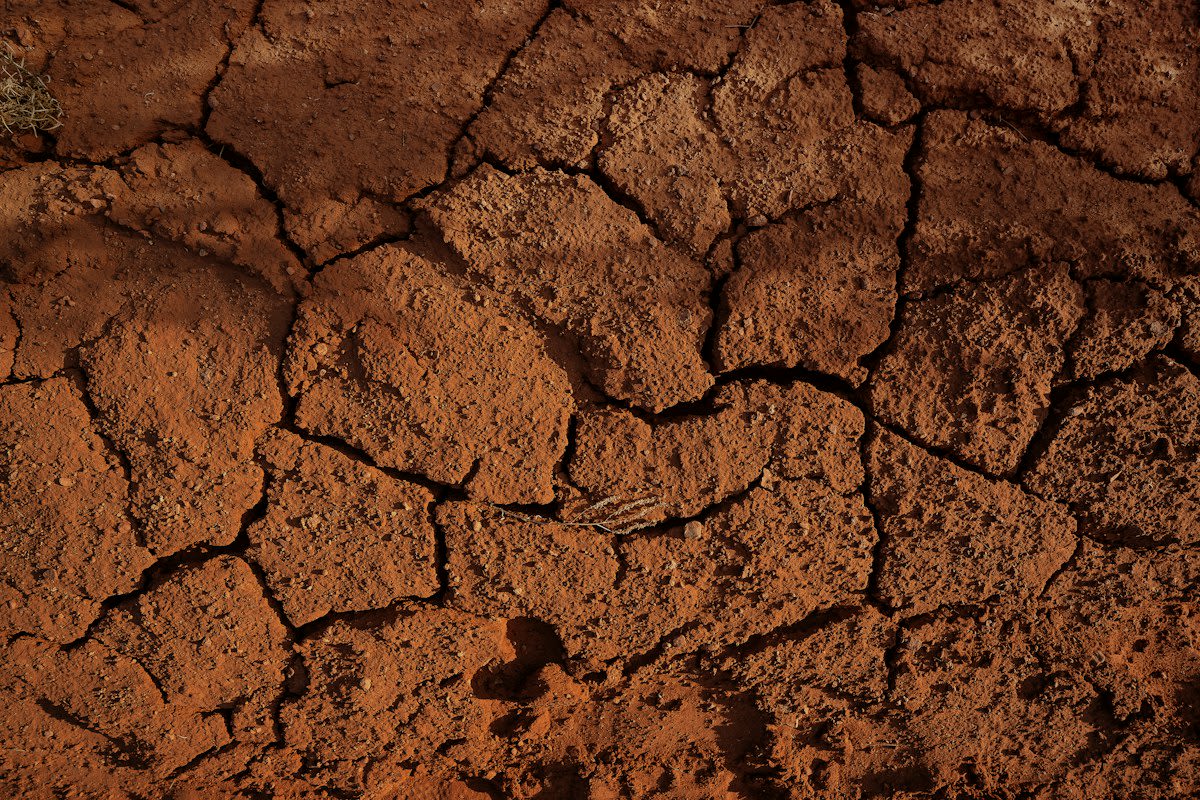
Preparation is everything. Most failures occur because growers treat saline land like traditional loam, ignoring the fact that salt alters water infiltration rates (Source: World Bank, 2021). You must prepare the bed. Use a coarse sandy mix to ensure that sodium does not accumulate in the top two inches of the root zone. This creates a grip. The plant needs a stable anchor to push through the crust.
- Site Mapping: Identify the areas of highest salinity to plant the most tolerant species, such as Salicornia europaea, in the center.
- Bed Construction: Raise beds by 15-20 centimeters to allow for lateral drainage and prevent root rot during heavy rains.
- Controlled Seeding: Sow seeds at a depth of 0.5 centimeters, ensuring a density of 10-15 plants per square meter for optimal canopy cover.
- Brine Irrigation: Apply saline water in cycles, alternating between high-salinity feeds and freshwater flushes to prevent toxic sodium buildup.
- Biomass Monitoring: Track growth rates weekly to identify nutrient deficiencies, specifically nitrogen and phosphorus, which are often locked in saline soil.
- Harvest Timing: Cut the succulent shoots before the plant enters the flowering stage to maximize the nutritional quality and flavor profile.
Watering requires nuance. If you over-irrigate with brine, you risk a mechanical failure of the soil structure where the earth becomes an impermeable slab. Use drip systems only. This method delivers water directly to the root zone, reducing surface evaporation that pulls more salt upward via capillary action. It keeps the balance. Control the flow or lose the crop.
"The transition to halophyte agriculture is not about replacing wheat, but about expanding the map of where we can actually produce calories."— Dr. Aruna Sharma, Lead Researcher at the Indian Council of Agricultural Research
Context matters globally. In the coastal regions of Senegal, farmers are integrating halophytes into mangrove buffers to protect inland crops from sea-level rise (Source: UNEP, 2023). They use the plants as shields. By absorbing the salt shock, these species allow traditional vegetables to grow just a few meters further inland. This is strategic placement. It turns a threat into a protective barrier.
The Practitioner's Reality: Internal Frictions
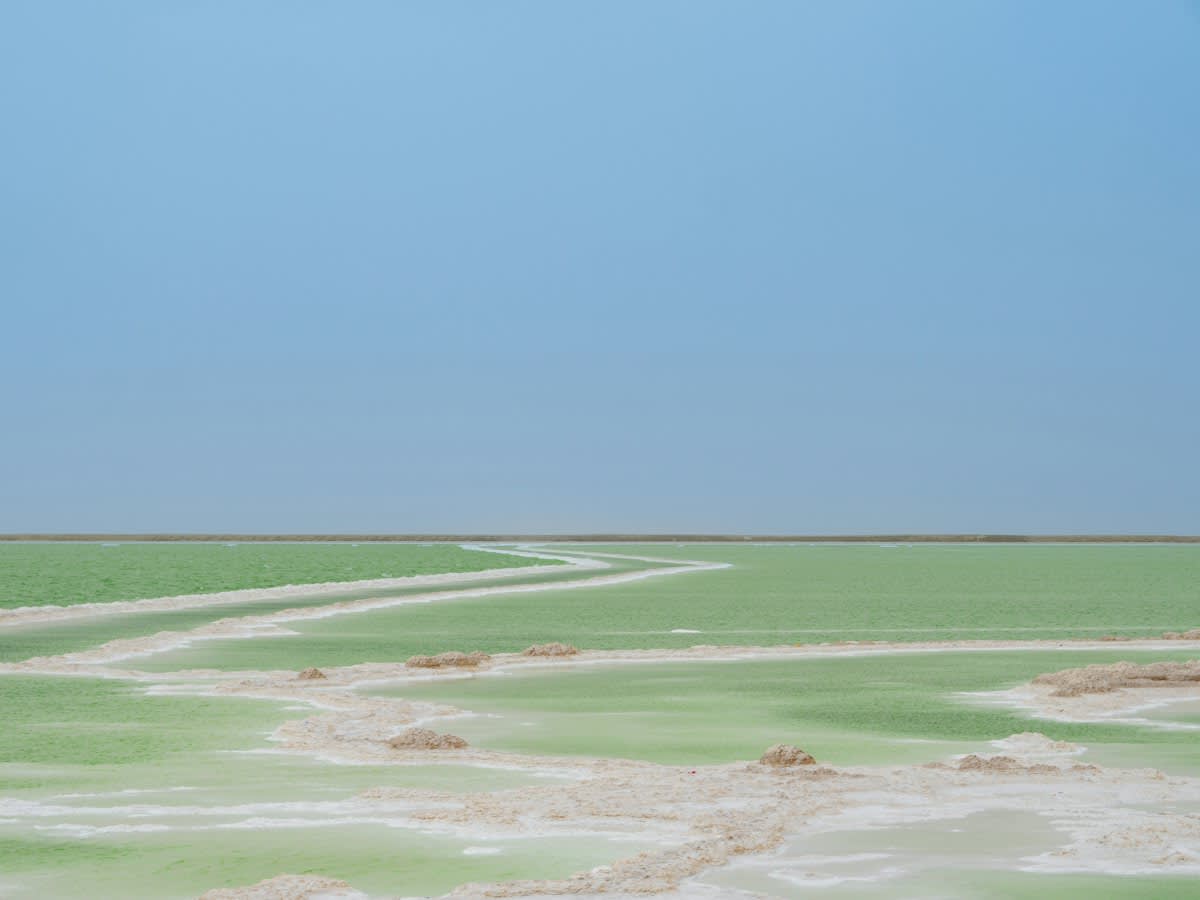
The internal fight is real. Agronomists often clash over whether halophytes actually remove salt from the soil or simply store it in the leaves until the plant dies (Source: Journal of Plant Nutrition, 2020). It is a bitter debate. Some argue that harvesting the biomass effectively 'mines' the salt out of the earth, while others claim the effect is negligible on a large scale. I have seen this conflict lead to wasted grants. Practitioners often ignore the theorists and focus on the yield, but the soil chemistry eventually demands an answer.
Market access is hard. Even if you grow a perfect crop of sea asparagus, the traditional supply chain is not built for salt-tolerant succulents. You must find buyers. Most wholesalers in the West view these as curiosities rather than staples, which keeps the price volatile. This creates a bottleneck. You are selling a solution to a market that does not yet recognize the problem.
Common Pitfalls to Avoid
Avoid the monoculture trap. Planting only one species of halophyte makes your entire operation brittle to specific pests or unexpected weather shifts. Diversify your plot. Mix Salicornia with Atriplex to create a multi-layered canopy that protects the soil from direct sun exposure. This reduces evaporation. A diverse field is a stable field.
Ignore the 'flush' myth. Some consultants suggest flushing saline fields with massive amounts of freshwater to 'reset' the soil before planting. This is a mistake. Excessive flushing often leaches essential micronutrients, leaving the soil hollow and incapable of supporting even salt-tolerant species. Use targeted irrigation. Balance the salinity rather than trying to erase it.
Fact-Check & Accuracy Note
The primary academic debate centers on 'salt-exclusion' versus 'salt-accumulation' mechanisms. While some species block sodium at the root, others absorb and store it. Verifiable data from the FAO (2022) confirms that biomass removal is the only viable way to reduce overall soil salinity over a decade-long period.
Final checks are vital. Ensure your harvest equipment does not contaminate the crop with rust, as the high salt content in the plants accelerates metal corrosion. Use stainless steel. This small detail prevents a total loss of food-grade quality. The environment is harsh. Your tools must be harsher.