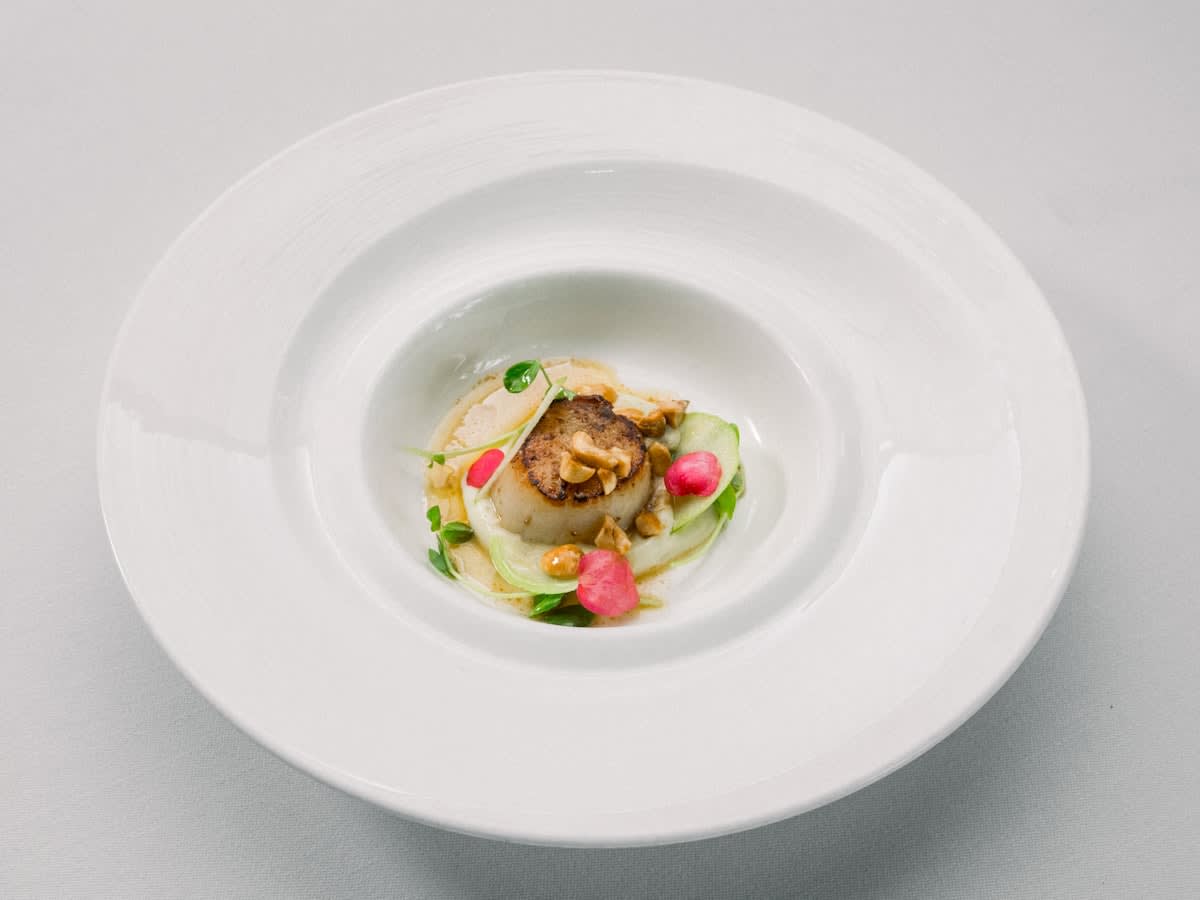
The New Luxury Standard
Forget the beluga caviar and the white truffles. A quieter, more provocative shift is occurring in the world's most exclusive dining rooms. High-end gastronomy is currently undergoing a protein pivot, moving away from the predictable luxuries of the past toward the untapped potential of insects. This isn't a sudden whim or a fleeting social media challenge. Instead, we are witnessing the institutionalization of entomophagy—the practice of eating insects—within the upper echelons of the culinary world. Chefs are no longer presenting insects as a dare; they are presenting them as a delicacy.
Look at the current global rankings to see the scale of this shift. Quintonil, currently recognized as the third best restaurant in the world, has made insects an integral part of its experience. By grounding the use of insects in Mexican traditions, the restaurant has stripped away the 'ick factor' and replaced it with cultural prestige. When a venue of this caliber integrates insects into its core identity, it signals to the global elite that these proteins are not just sustainable alternatives, but are fundamentally luxurious. The transition is moving from the fringes of street food to the center of the tasting menu.
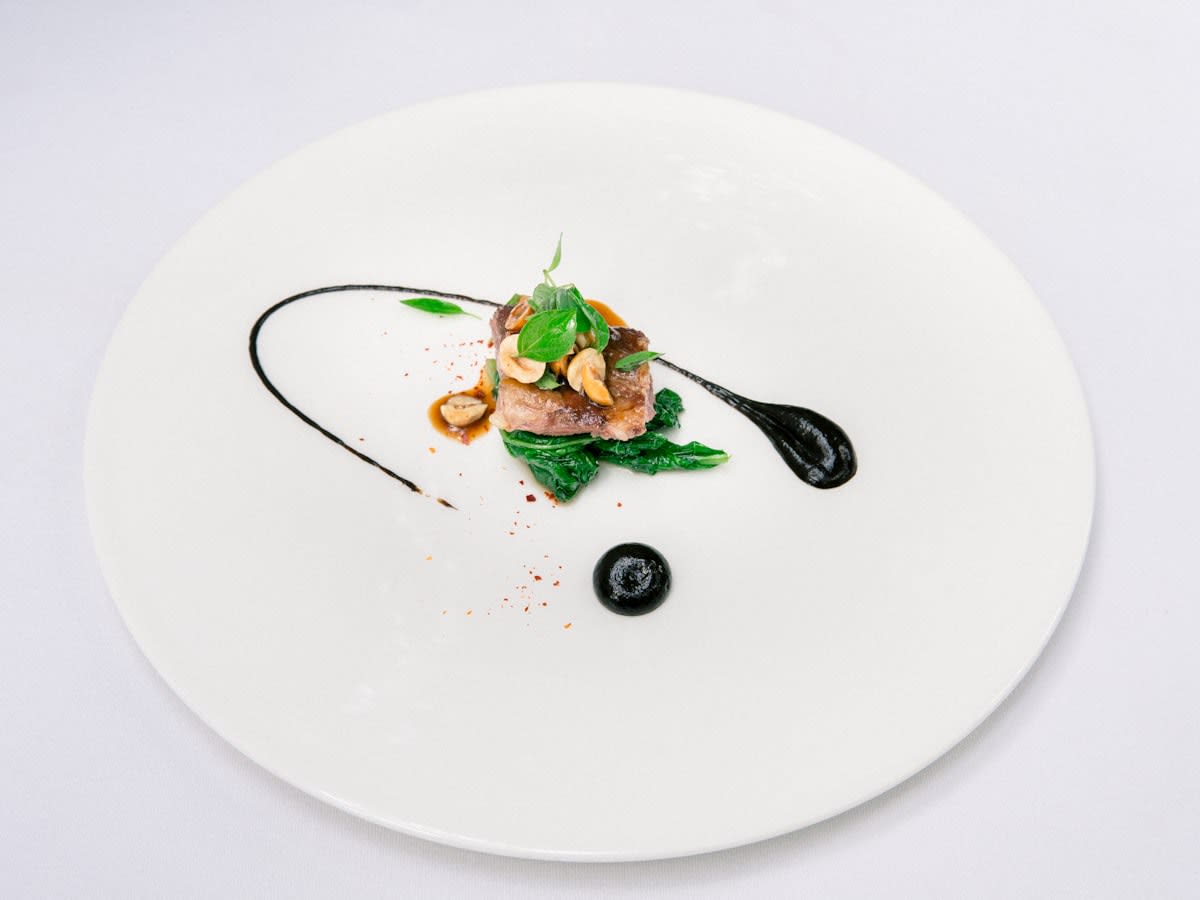
The delta between where we were twelve months ago and where we are now is stark. A year ago, insect-based proteins were largely the domain of biotech startups and novelty snack brands. Today, we see Michelin-starred restaurants featuring seasonal insects and sophisticated preparations like protein-rich mealworm balls. The focus has shifted from 'can we eat this?' to 'how can we elevate this?' This evolution mirrors the trajectory of once-shunned ingredients like lobster or foie gras, which eventually became symbols of status and wealth.
"The integration of insects into the world's top three restaurants proves that the barrier to entry is no longer the palate, but the perception of prestige."— Industry Analysis
But luxury isn't just about taste; it's about the legal permission to innovate, and here the pivot hits a wall.
The Regulatory Friction
While chefs are pushing the boundaries of flavor, regulatory frameworks are lagging behind, sometimes with draconian results. In South Korea, the ambition to source the finest ingredients has led to a direct clash with the law. Prosecutors have recently sought a one-year prison sentence and a fine of 20 million won for the import of gourmet edible ants from the United States. This case highlights a critical tension: the culinary world is ready for a globalized insect trade, but customs and health regulations still view these creatures as biological risks rather than gourmet assets.
Why the severity? The legal system often fails to distinguish between agricultural pests and curated gourmet species. The prosecution of those importing edible ants suggests that the infrastructure for a legal, high-end insect supply chain is virtually non-existent in many regions. For a Michelin-starred chef, the inability to legally source specific species from around the world is a ceiling on creativity. The gap between the kitchen's vision and the state's legislation is where the real conflict of the protein pivot resides.
| Protein Source | Previous Status | Current High-End Status | Primary Driver |
|---|---|---|---|
| Mealworms | Animal Feed | Michelin-starred 'Balls' | Protein Density |
| Edible Ants | Regional Specialty | Imported Gourmet Luxury | Unique Flavor Profile |
| Traditional Meats | Standard Luxury | Secondary Component | Sustainability Shift |
The risk is not just legal; it is also operational. Even at the highest levels of dining, the transition to new proteins is fraught with execution errors. Recent reports from high-end events, such as Michelin-star dining at Tomorrowland, show that traditional proteins can still fail, with guests reporting stomach bugs from chicken courses and rating experiences as low as 6/10. This underscores a vital point: as chefs pivot to insects, the margin for error is razor-thin. A single failure in the preparation of an unconventional protein could set the movement back years in the eyes of a skeptical public.
While the elite battle in the kitchen and the courtroom, governments are rethinking the very soil these proteins come from.
The Macro Shift Toward Localism
The protein pivot isn't happening in a vacuum. It aligns with a broader global movement toward agricultural resilience and the reduction of food imports. In Cambodia, for instance, the government has launched a Green Belt initiative. This project aims to link agriculture and tourism to reduce the reliance on imported food and increase the income of rural farming communities. While the Green Belt is a broad agricultural strategy, it provides the perfect ecosystem for the scaling of local insect protein production.
By strengthening domestic markets, countries can create a sustainable pipeline for the very insects that Michelin-starred chefs in Seoul or Mexico City are craving. The logic is simple: if you can produce high-quality, gourmet-grade insects locally, you bypass the legal nightmares of international import laws and the carbon footprint of long-haul logistics. The Cambodia model suggests a future where the 'Green Belt' provides the raw materials for the 'White Tablecloth' experience.

The Core Thesis
The pivot is not about replacing meat entirely, but about diversifying the definition of luxury. The goal is a resilient plate where a mealworm ball carries as much prestige as a wagyu steak.
Ultimately, the success of this pivot depends on the ability of the industry to move beyond the 'novelty' phase. We are seeing a convergence of cultural tradition, as seen at Quintonil, and modern culinary experimentation in Asia. When these two forces combine, they create a new market reality. The question is no longer whether insects belong in high-end gastronomy, but how quickly the legal and agricultural systems can adapt to support them.
The protein pivot is a bet on the future. It is a bet that the world's most sophisticated diners will value sustainability and novelty over tradition. With the world's third-best restaurant already leading the charge, the momentum is undeniable. The only remaining hurdles are the prosecutors and the customs agents.