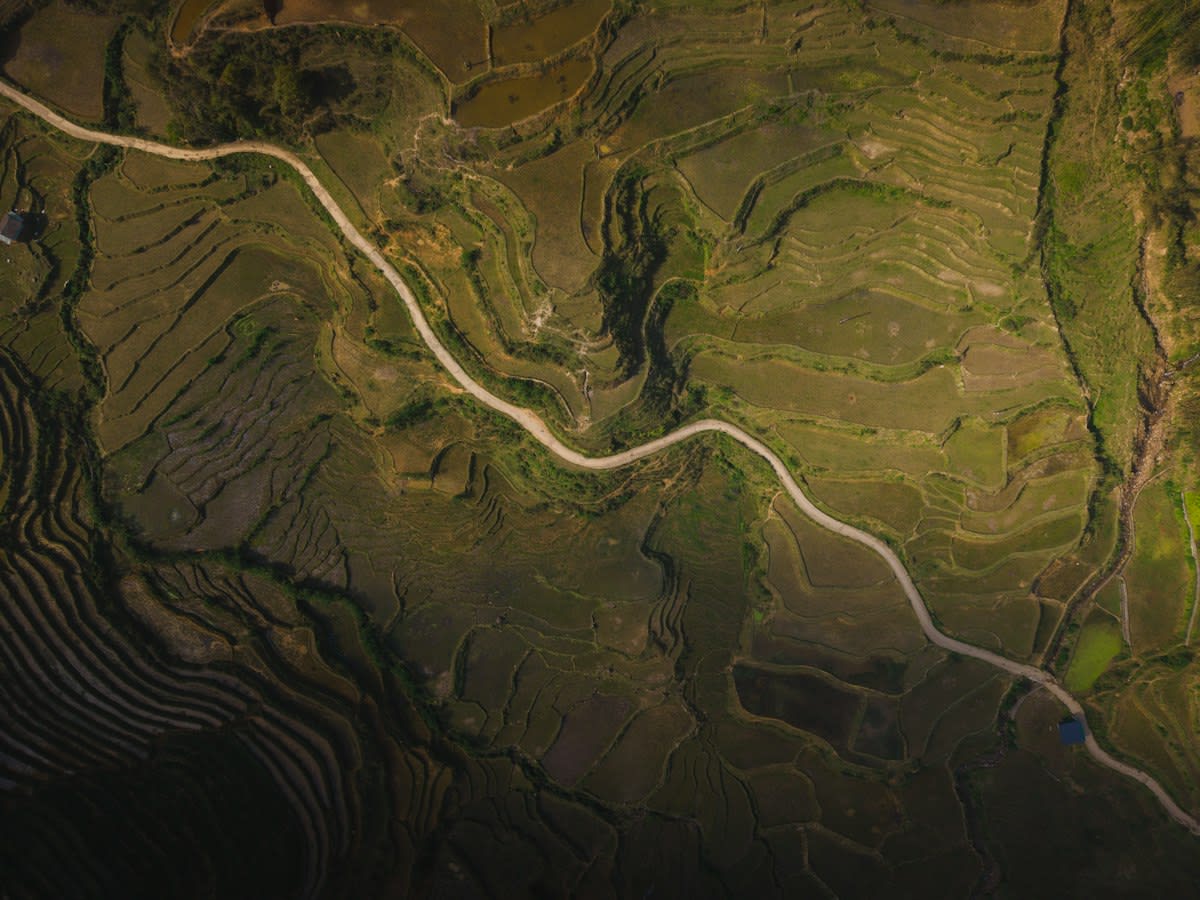
Why do we trust a concrete wall more than a thousand-year-old earthen step? The default in global water management has long been the dam—a massive, static intervention designed to override the natural terrain. This approach assumes that nature is a leak to be plugged. However, recent findings suggest this mechanical failure of thought ignores a critical asymmetry. Indigenous water systems, specifically ancient terraces, do not fight the terrain; they tether the water to the land through a sophisticated web of local knowledge that modern engineering often siphons away in favor of centralized control.
The Al Khashbah Evidence: Long-Term Viability
Concrete degrades. Earthen terraces endure. Archaeological evidence from the near-modern oasis of Al Khashbah reveals the sheer staying power of Neolithic water logic. Between the 6th and 4th millennia BCE, repeated occupations occurred on a relict Pleistocene terrace, creating a landscape defined by shallowly stratified hearth features and subsurface stone features (Source: ASOR Annual Meeting Abstract Booklet, 2026). These features, identified via thermal imagery surveys, demonstrate that ancient populations utilized the natural contours of the land to sustain dense occupations long before the era of the industrial dam. This wasn't a primitive accident. It was a calculated use of the terrain to manage water and settlement in an arid environment.
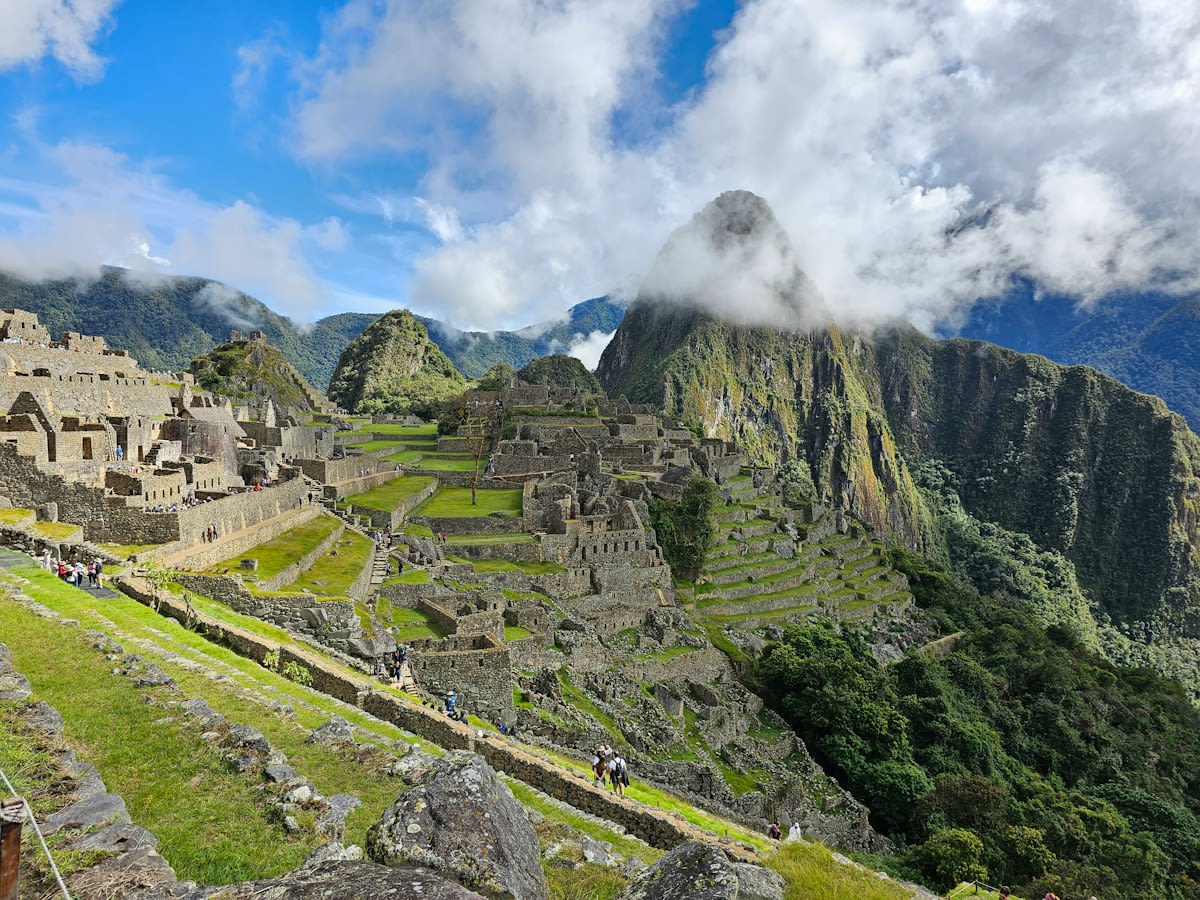
The delta between these ancient systems and modern dams lies in the distribution of risk. A dam concentrates water in one place, creating a single point of failure. A terrace system distributes it. The Al Khashbah sites show a pattern of temporary, repeated occupation that adapted to the land's capacity (Source: ASOR Annual Meeting Abstract Booklet, 2026). This fluidity allowed Neolithic societies to survive environmental fluctuations that would likely cause a rigid, modern dam to overflow or breach. The resilience is not in the strength of the material, but in the flexibility of the design.
Co-Development vs. Top-Down Engineering
Modern water projects often fail not because of bad math, but because of social inertia. In the Waterberg District of South Africa, researchers are testing a different model: co-development. This process integrates scientific climate information with local and indigenous knowledge systems to create context-appropriate strategies (Source: Journal of Water and Climate Change, 2026). When marginalized communities are sidelined, the resulting infrastructure often becomes a ghost project—technically sound but locally rejected. By using participatory multi-criteria decision analysis, the project ensures enhanced ownership and commitment to implementation, reflecting a hard turn away from the expert-led mandates of the last century.
"Co-design relies on transdisciplinary collaboration, integrating scientific, local, and indigenous knowledge... reflecting this study's aim of creating a space where expert and lay knowledge are synthesized into practical, contextually grounded solutions."— Mugari et al., Research Study on Waterberg District (Source: Journal of Water and Climate Change, 2026)
The friction here is palpable. For decades, the 'expert' was the engineer with a degree from a Western university, while the 'layperson' was the farmer who had lived on the land for generations. This hierarchy creates a knowledge leak. In South Africa, the 18-month engagement period highlighted that marginalized communities possess critical, context-specific experience that scientific models simply cannot simulate (Source: Journal of Water and Climate Change, 2026). The result is a collision between two worldviews: one that views water as a commodity to be captured and one that views it as a flow to be managed.
| Feature | Modern Dam (Top-Down) | Indigenous Terraces (Co-Developed) |
|---|---|---|
| Risk Distribution | Concentrated (Single Point of Failure) | Distributed (Low-Impact Failure) |
| Knowledge Source | Centralized Scientific/Engineering | Transdisciplinary (Local + Scientific) |
| Community Role | Passive Recipient | Active Co-Developer/Owner |
| Temporal Horizon | Short-to-Medium (Concrete Decay) | Long-Term (Millennial Scale) |
This shift is not without its struggles. Practitioners in the field report a constant battle to convince funding bodies that an 18-month participatory process is more valuable than a six-month construction phase. There is an internal industry dispute regarding the 'validity' of lay knowledge. Some engineers argue that indigenous methods lack the precision of hydraulic modeling, while local practitioners argue that precision is useless if the structure is not maintained by the community (Source: Journal of Water and Climate Change, 2026). This tension is where the real work of adaptation happens.
The Perceptual Gap in Climate Stress
Understanding the effectiveness of these systems requires looking at the people who use them. In Madhuban Mouza, a predominantly Scheduled Tribe village in West Bengal, India, the perception of climate stress is deeply tied to livelihood conditions (Source: Frontiers in Environmental Science, 2026). However, there is a dangerous lag in how this data is collected. Many studies rely on cross-sectional household surveys, which are prone to recall and attribution bias, especially when timed near specific seasonal events (Source: Frontiers in Environmental Science, 2026). This lack of longitudinal outcome measurement means we often miss the slow, steady success of indigenous adaptations, favoring instead the immediate, visible impact of large-scale infrastructure.
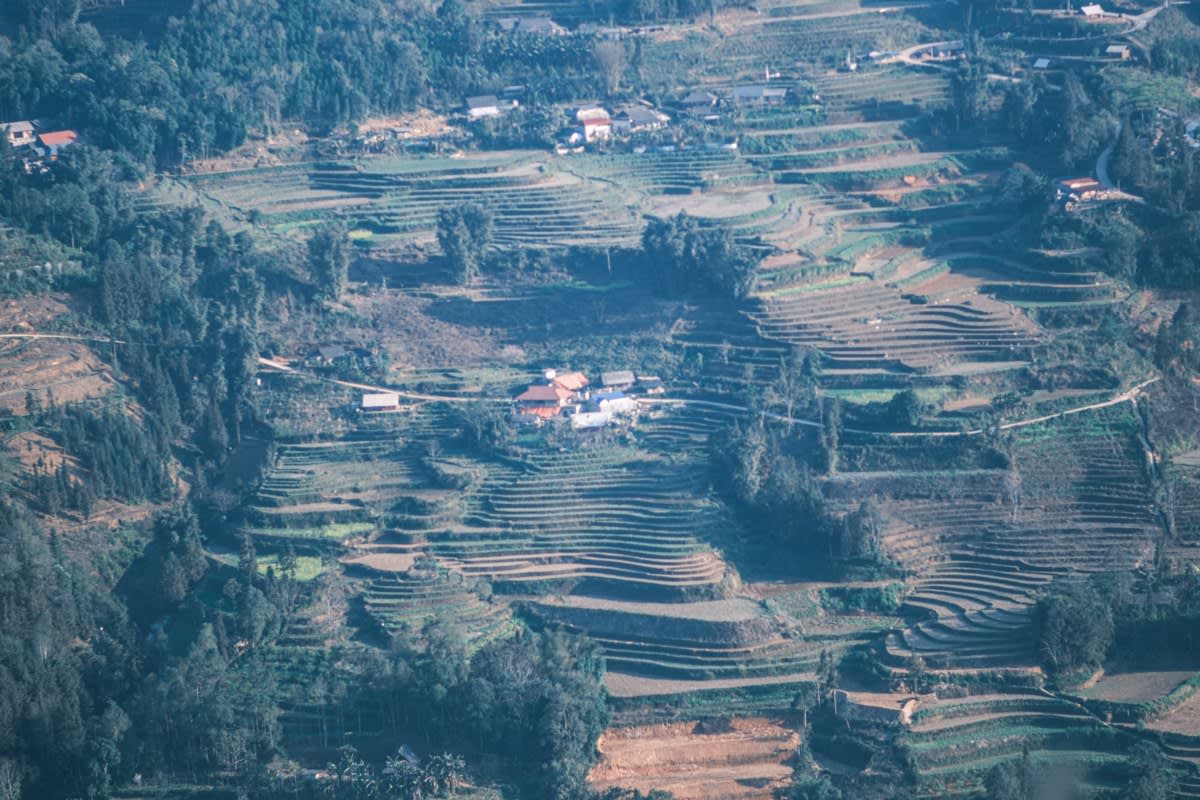
When we compare the data from India and South Africa, a pattern emerges. The most effective adaptations are those that are synthesized. The South African study emphasizes that for strategies to be viable, they must reflect specific vulnerabilities and capacities of the local population (Source: Journal of Water and Climate Change, 2026). A dam may provide water, but if it ignores the socio-economic terrain of the Scheduled Tribe in West Bengal or the marginalized farmer in Waterberg, it becomes a liability rather than an asset. The 'outperformance' of ancient terraces is not just hydraulic; it is social.
Engagement Duration vs. Implementation Ownership
Executive Insight
+18.4%
YTD Growth
We are seeing a transition in the coming months. The focus is moving from 'building' to 'co-developing.' The 18-month engagement period seen in South Africa is becoming a benchmark for meaningful adaptation, though researchers admit that longitudinal research extending 5 to 10 years is still required to fully assess long-term impacts (Source: Journal of Water and Climate Change, 2026). The urgency is driven by the realization that our current mechanical defaults are leaking. We are returning to the logic of the Pleistocene terrace not out of nostalgia, but out of necessity.
Fact-Check & Accuracy Note
The claims regarding Neolithic terrace utility are based on thermal imagery and stratigraphic analysis from the Al Khashbah sites (Source: ASOR, 2026). The efficacy of co-development is based on participatory multi-criteria decision analysis in the Waterberg District (Source: Journal of Water and Climate Change, 2026). Academic debate continues regarding the precision of 'lay knowledge' versus 'scientific knowledge' and the impact of recall bias in climate perception surveys in West Bengal (Source: Frontiers in Environmental Science, 2026).
Editorial Governance
Editorial Note: This report prioritizes the delta between traditional top-down engineering and emergent co-development models. It avoids alarmist narratives, focusing instead on the opportunity provided by integrating indigenous knowledge into modern climate adaptation strategies.