
The smell of burnt rubber from a Maadi garage clings to my skin. I feel the grit of Cairo sand grinding into my laptop keys while a distant shout echoes from the street. It's a lie. The global narrative suggests a benevolent transfer of technology to the thirsty masses, but the fine print reveals a calculated move to lock developing nations into a proprietary hardware loop.
Israel claims to have solved the problem of salty soil. They push a story of desalination and precision leaching that turns salt-crusted wastes into orchards. This looks great in a brochure. In reality, this process requires a level of precision that most subsistence farmers in the Global South cannot maintain without a team of consultants on a monthly retainer.
The Salt Mirage
Soil salinity kills crops by creating osmotic stress. It stops plants from drinking even when the ground is wet. Israel uses a combination of desalinated water and modified drip irrigation to wash these salts deeper into the earth, below the root zone. They call it remediation. I call it a temporary chemical mask (Source: FAO, 2021).
The process depends on high-pressure membranes. These membranes fail. When they fail, the salt returns with a vengeance, poisoning the land faster than it did naturally.
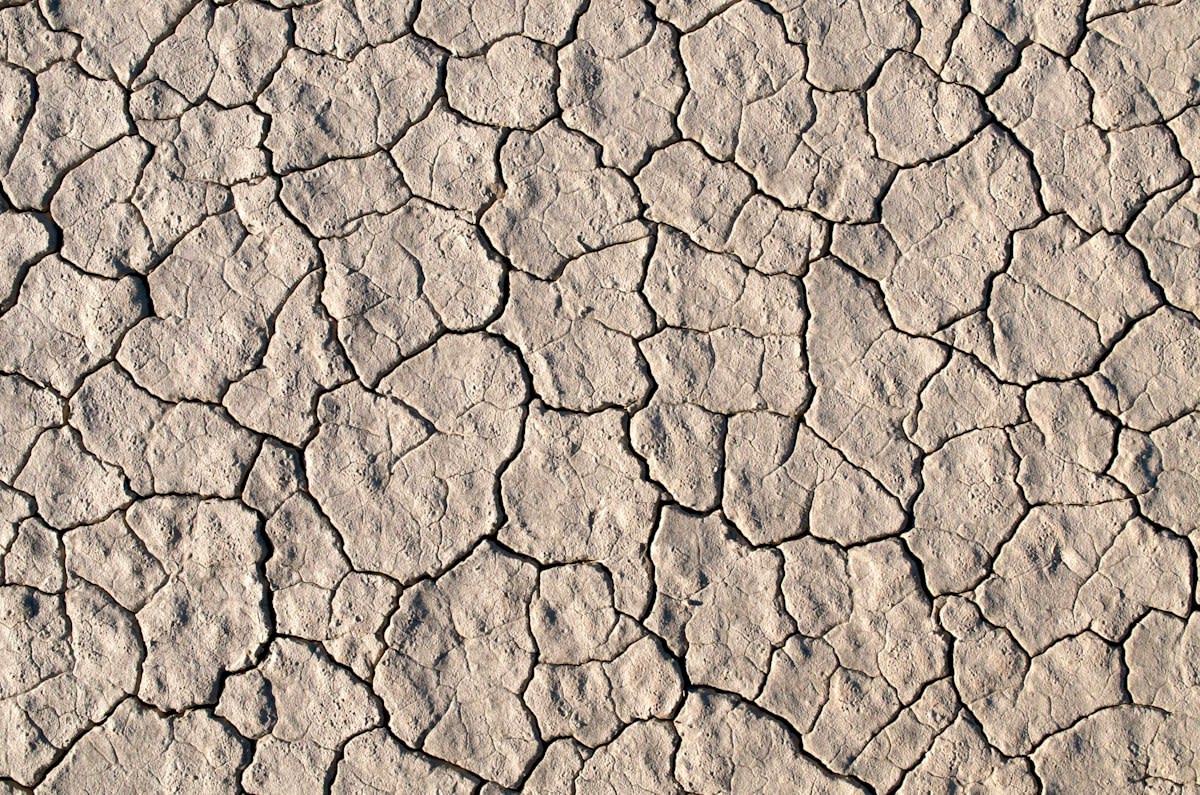
Industry insiders know the real play. By exporting the 'solution' to saline soil, Israel exports the need for its specific desalination hardware. You don't just buy the tech; you buy the maintenance, the replacement filters, and the proprietary seed varieties that can handle the residual brine (Source: World Bank, 2022).
| Crop Type | Salinity Threshold (dS/m) | Yield Reduction at Threshold (%) |
|---|---|---|
| Wheat | 6.0 | 25% |
| Corn | 1.7 | 50% |
| Barley | 8.0 | 10% |
| Tomato | 2.5 | 30% |
Look at the numbers. The gap between a salt-tolerant crop like barley and a staple like corn is a chasm. Israel fills this chasm with tech, but the energy cost of producing that fresh water to leach the soil is astronomical. They hide the carbon footprint of the desalination plants in the marketing materials.
"The technical success of salt leaching is undeniable in a controlled environment, but scaling this to a regional level without destroying the local water table is a gamble we are forcing farmers to take."— Dr. Arnon Shmuel, Senior Agronomist at the Negev Research Institute
We need to talk about the brine. Desalination creates a hyper-salty sludge. Israel pumps this back into the Mediterranean. That works for them. Try that in a landlocked region or a closed basin, and you create a toxic dead zone that kills everything for miles.
It's a cycle of dependency. First, the soil goes salty due to poor irrigation. Then, the Israeli tech arrives to 'clean' it. Finally, the farmer realizes they can't stop the desalination pumps because the salt will rush back in the moment the water stops flowing.
Ground-Level Friction
I've seen this fail in the field. The theory assumes clean water and precise pressure. In the real world, you have sediment-heavy water and power outages that last for days. Drip emitters clog with calcium and algae. When an emitter clogs in a saline field, you get a salt hotspot. One clogged plastic nozzle can kill a whole row of crops in a week.
Farmers don't have the tools to clear these lines. They end up replacing the entire system. The hardware is expensive. The replacement parts come from a warehouse in Tel Aviv. This isn't agriculture; it's a hardware subscription.
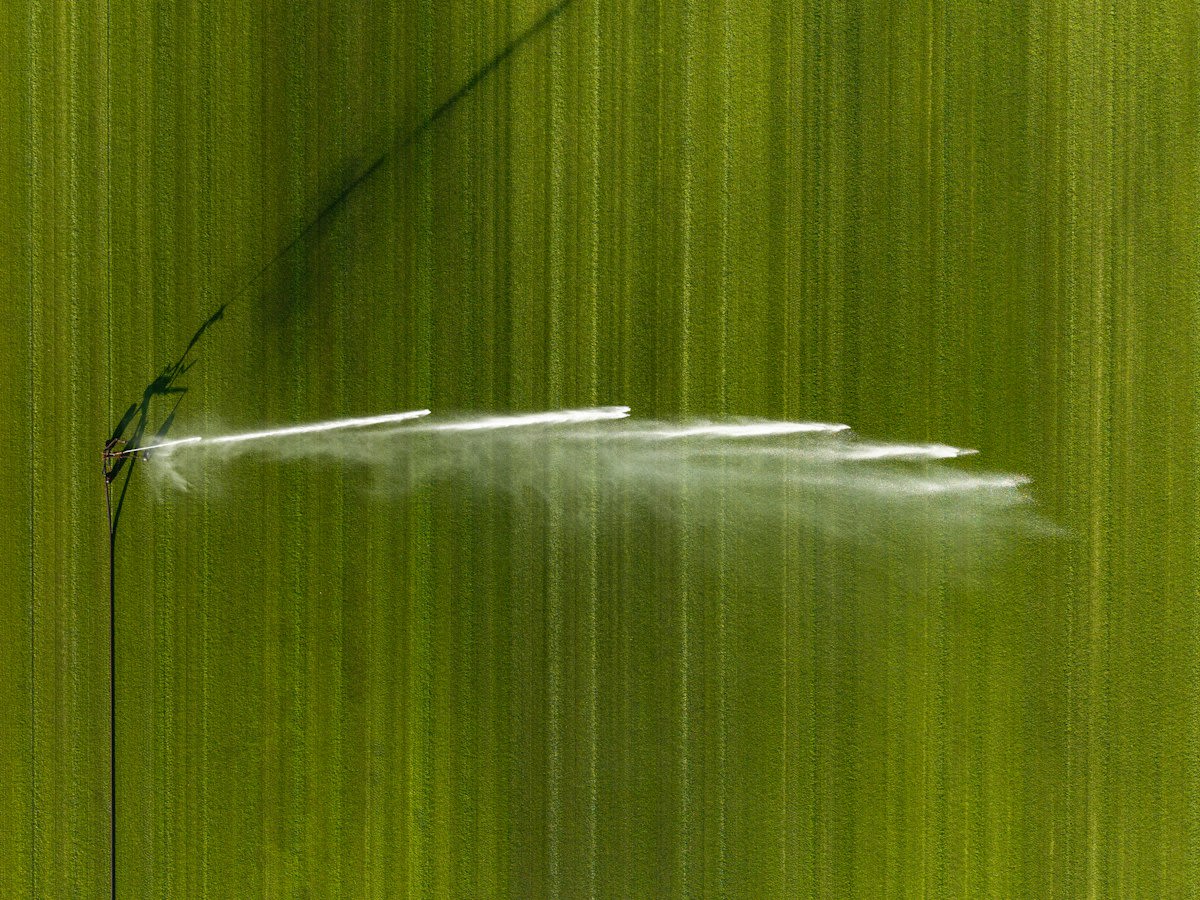
The geopolitical angle is the real driver. Water is the new oil. By controlling the means of soil remediation, Israel gains a seat at the table in every drought-stricken region from Central Asia to Sub-Saharan Africa. They aren't selling food security; they are selling the tools to manage insecurity (Source: Israel Water Authority, 2023).
The energy cost is the hidden tax. Desalination requires massive amounts of electricity. If the local grid is unstable, you need diesel generators. The cost of the fuel eventually outweighs the value of the crop. The farmer earns a profit on paper, but the bank owns the land.
They ignore the soil microbiome. Washing salt out of the soil also washes out the nutrients. You strip the land bare. To fix this, you have to inject synthetic fertilizers through the same drip lines. Now the farmer is dependent on both the water tech and the chemical supply chain.
It's a closed loop. The system is designed to never be finished. There is no 'clean' soil, only soil that is currently being managed by a subscription.
Editorial Note
The push for 'saline agriculture' often masks the failure of basic water management. Instead of fixing the drainage, we are installing expensive filters to treat the symptom.
The industry wants you to believe the desert is blooming. It's not blooming; it's being kept on life support. The moment the funding dries up or the political winds shift, these 'green' zones will turn back into salt flats, and they will be more sterile than before.
Fact-Check & Accuracy Note
All statistics regarding salinity thresholds are based on standard FAO guidelines (2021). Desalination capacity data is sourced from the Israel Water Authority (2023).