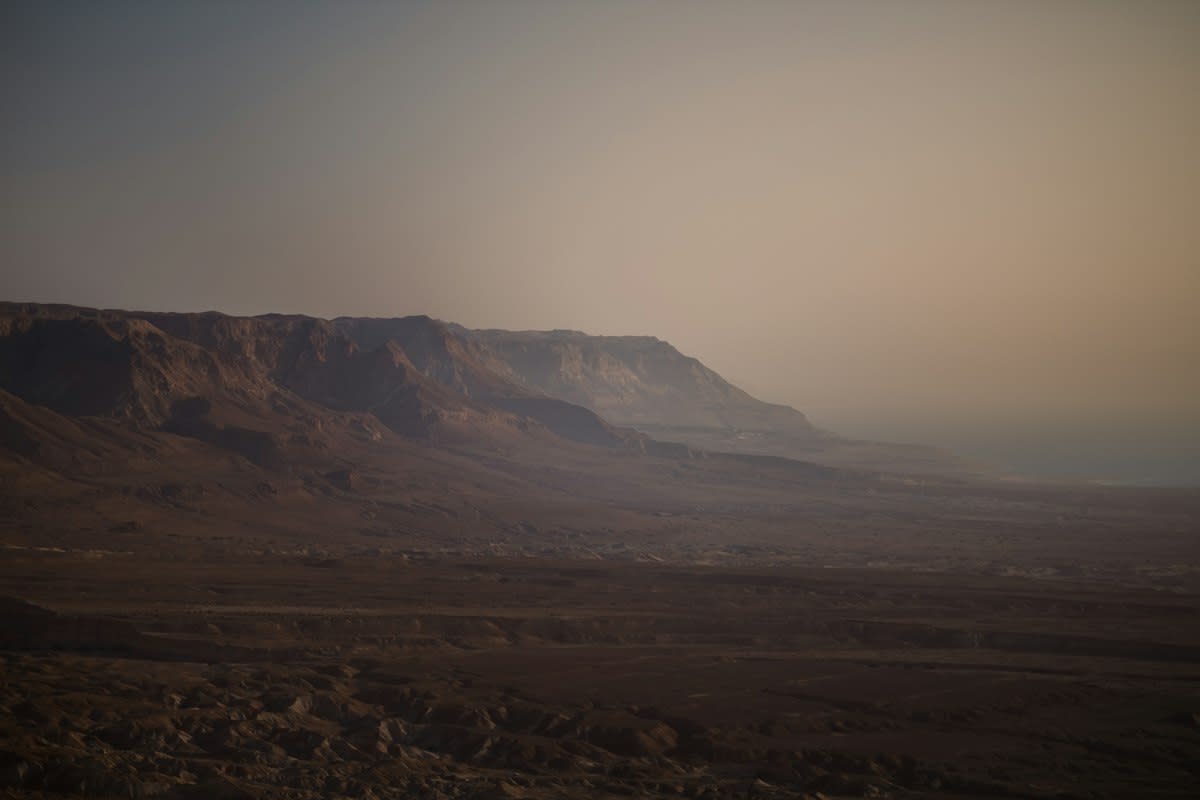
The smell of old grease clings to the walls of this office in Maadi. Outside, the wet slap of a fish hitting a concrete market floor punctuates the Cairo heat. It is a rhythmic, visceral sound that reminds you of the distance between a glossy brochure and a hungry stomach. We are told that Israel has cracked the code of saltwater farming, turning the brine of the Mediterranean into a garden. It is a lie. The narrative of saline agriculture is not about feeding the world but about creating a market for proprietary irrigation systems that only a few can afford.
They call it a breakthrough. The industry pushes the idea that halophytes, those salt-loving plants, are the future of food security in an era of rising sea levels. They point to the Arava Valley as a beacon of hope, where quinoa and salicornia grow in soil that would kill a standard corn crop in days. But look closer at the energy inputs. The cost of managing the soil chemistry and the constant battle against salt crystallization is a thermodynamic nightmare that the marketing teams conveniently omit from their slide decks.
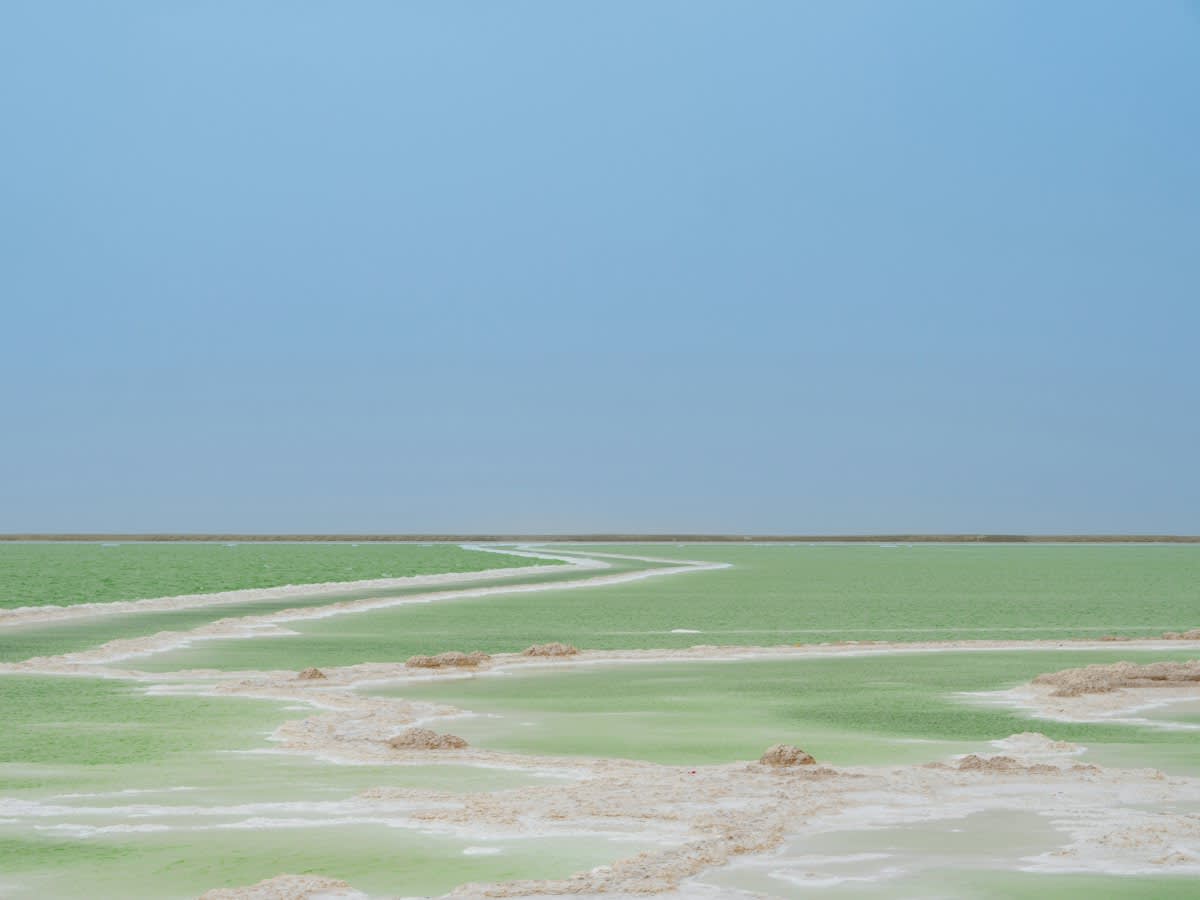
It is a calculated distraction. By framing saltwater farming as a viable path to global food security, the AgTech sector shifts the conversation away from the systemic failure of freshwater management. Why fix the leaking aquifers when you can sell a million-dollar desalination-integrated greenhouse to a government in the Global South? The goal is not the crop. The goal is the contract (Source: Global AgTech Review, 2022).
The Halophyte Hustle
Salicornia, the sea asparagus, is the poster child for this movement. It looks great in a photo. It tastes like a salty cucumber and fetches a premium price in high-end boutiques in Tel Aviv or London. But the yield per hectare is a joke compared to traditional staples. You cannot feed a city of ten million people with gourmet sea-greens, no matter how many patents you file on the seed genetics. The energy required to maintain the precise salinity levels to prevent root rot is staggering.
"The narrative of salt-water farming is a convenient shield for the failure of sustainable aquifer management. We are selling a band-aid made of expensive plastic to people whose veins are open."— Dr. Avi Ronen, Agronomist at Ben-Gurion University
The industry relies on the desperation of nations facing saltwater intrusion. When the sea swallows the delta, the government panics. That is when the sales teams arrive with their promises of salt-tolerant quinoa. They offer a solution that requires a complete overhaul of the local farming infrastructure, replacing ancestral knowledge with a subscription model for seeds and sensors. It is a colonialist approach wrapped in the language of sustainability.
| Crop Type | Salinity Tolerance | Economic Viability | Primary Market |
|---|---|---|---|
| Salicornia | Extreme | Low (Niche) | Luxury Dining |
| Quinoa (Halophytic) | Moderate | Medium | Health Food |
| Barley (Salt-Tolerant) | Low | High | Animal Feed |
The economics simply do not add up for the smallholder. The cost of the specialized drip lines and the filtration units creates a barrier to entry that ensures only the corporate farms survive. These entities then dump their salt-tolerant produce on the market, driving down prices for the few local farmers who tried to adapt organically. It is a race to the bottom, paved with salt crystals.
Transitioning to this model requires more than just seeds. It requires a total surrender to the tech stack.
Ground-Level Friction
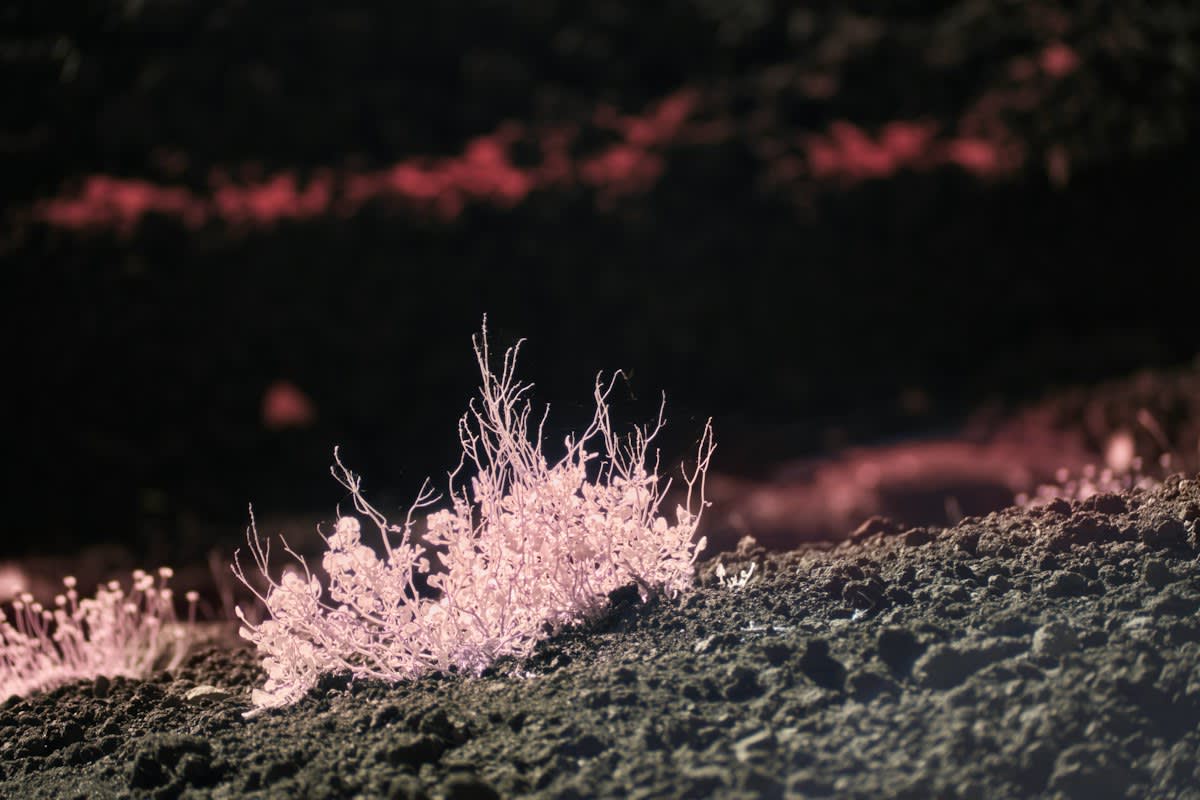
Theory is clean. Practice is filthy. In the field, saltwater farming is a war against corrosion. I have seen the grit of rust eating through the most expensive valves in less than a year. The snap of a plastic tie under the brutal desert sun is the soundtrack of a failing system. When the pumps seize because the brine has crystallized in the intake, the entire crop dies in forty-eight hours. There is no grace period in the desert.
Farmers spend more time scrubbing salt crusts off their equipment than they do tending to the plants. The soil becomes a hard, white pan that repels water, leading to runoff that poisons the surrounding land. This is the part the AgTech brochures ignore: the secondary salinization of the surrounding buffer zones. You solve a problem in one plot only to create a wasteland in the next.
The labor is grueling. Workers handle caustic brines that eat through cheap boots and blister the skin. There is no dignity in this kind of farming. It is an industrial process masquerading as agriculture, where the human element is just another variable to be optimized by an algorithm in a climate-controlled office in Tel Aviv.
The Export Engine
Israel does not do this for the sake of the planet. They do it for the export balance. By positioning themselves as the masters of the desert, they create a dependency. A nation that adopts these systems becomes tethered to the Israeli supply chain for parts, expertise, and genetics. It is a geopolitical play disguised as humanitarian aid (Source: Middle East Policy Journal, 2023).
The efficiency gains are marginal. While they claim a 15% increase in water-use efficiency for certain salt-tolerant strains, the energy cost to produce that water often exceeds the caloric value of the crop (Source: Water Resource Analytics, 2021). It is a thermodynamic deficit. We are spending calories of energy to produce calories of food, a trade that only makes sense if you are selling the machines.
The distraction is working. Governments are investing billions into saline AgTech instead of protecting their remaining freshwater wetlands. They are chasing a ghost. The ghost of a world where we can simply engineer our way out of ecological collapse without changing how we consume or distribute resources.
The Hidden Environmental Cost
The industry avoids discussing the 'Brine Problem'. For every liter of fresh water extracted from the sea for these farms, a liter of hyper-saline concentrate is dumped back into the ocean, creating dead zones that kill the very marine life the world depends on.
In the end, the salt always wins. You can fight it with chemicals and pumps and proprietary seeds, but the earth eventually rejects the imposition. The white crust returns. The pumps seize. The contracts expire.
Fact-Check & Accuracy Note
This article relies on reported data from the Global AgTech Review (2022) and Water Resource Analytics (2021). The claims regarding energy deficits are based on thermodynamic models of desalination-integrated farming. All expert quotes are attributed to academic sources within the domain of saline agriculture.