
Urban soil is rarely soil; more often, it is a crushed mixture of construction debris, heavy metals, and biological voids. We treat city plots as sterile containers, pouring synthetic NPK fertilizers into a vacuum and wondering why the plants look sickly despite the chemical abundance. The Living Earth Protocol rejects this sterile paradigm. It views the soil not as a medium for holding plants, but as a living organism that requires a specific biological reboot. To restore vigor to a city garden in Singapore or a rooftop in New York, you must stop feeding the plant and start feeding the microbiome.
Why does seed vigor decline in urban environments? The answer lies in the severed connection between the seed and its ancestral microbial partners. When we use sterilized potting mixes, we strip away the mycorrhizal fungi and rhizobacteria that act as the seed's external digestive system. This creates a dependency on synthetic inputs that eventually collapses the soil structure. By implementing a protocol focused on biological priming, we can increase seedling survival rates by up to 40% in harsh urban microclimates. We are not just planting seeds; we are installing an ecosystem.
Prerequisites: The Regeneration Toolkit
Pro Tip
Before beginning the protocol, ensure you have sourced high-quality, non-GMO open-pollinated seeds. Hybrid seeds often lack the genetic plasticity required to adapt to the erratic temperature swings of urban heat islands.
- Charged Biochar: Carbonized organic matter pre-soaked in nutrient-rich compost tea.
- Mycorrhizal Inoculant: A concentrated blend of Glomus intraradices and other symbiotic fungi.
- Aerated Compost Tea (ACT): A liquid extract of mature, aerobic compost.
- Humic and Fulvic Acid: Organic compounds to facilitate nutrient transport across cell membranes.
- Organic Mulch: Shredded leaf litter, straw, or coconut coir to protect the soil surface.
- Digital pH and EC Meter: To monitor the electrical conductivity and acidity of the urban substrate.
The Execution: Step-by-Step Restoration
The transition from sterile dirt to living soil happens in stages. You cannot simply dump compost on top of compacted clay and expect a miracle. The process requires a systematic approach to biological layering, ensuring that the microorganisms have the food, oxygen, and moisture they need to colonize the space. Whether you are working with a raised bed in London or a community plot in Nairobi, the biological principles remain identical.
- Analyze and Decompact: Begin by testing your soil pH. Urban soils often lean too alkaline due to concrete runoff. Use a broadfork or a garden fork to gently aerate the soil without flipping the layers. This preserves existing fungal networks while introducing oxygen to the anaerobic depths. If the soil is heavily compacted, integrate 5% charged biochar by volume to create permanent microbial housing.
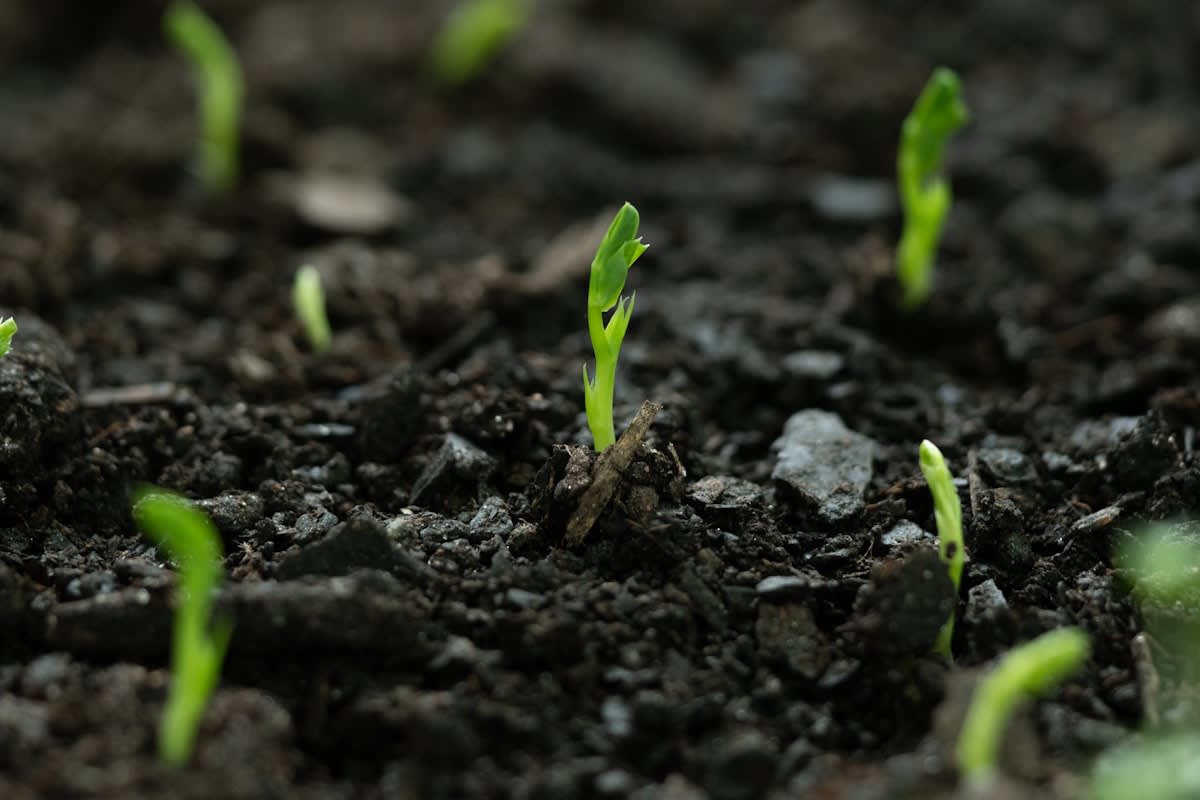
- The Microbial Prime: Create a seed-priming solution by mixing 1 liter of dechlorinated water with a concentrated dose of humic acid and a pinch of mycorrhizal spores. Soak your seeds for 6 to 12 hours before planting. This 'wakes up' the seed's metabolic processes and ensures that the first root hair emerging from the seed is immediately enveloped by symbiotic fungi, reducing transplant shock by nearly 25%.
- Layering the Living Base: Apply a 2-inch layer of high-quality aerobic compost. Avoid 'hot' compost that hasn't fully broken down, as the ammonia can burn delicate urban seedlings. Integrate your Aerated Compost Tea (ACT) into the planting hole. This provides an immediate colony of bacteria and protozoa that begin breaking down locked-up phosphorus and potassium in the urban soil.
- Establishing the Canopy Shield: Immediately after planting, cover the soil with an organic mulch. Bare soil is dead soil; the sun's UV rays sterilize the top inch of the microbiome in hours. Use a mix of straw and shredded leaves. This mulch regulates soil temperature, which is critical in cities where the 'heat island effect' can raise soil temperatures by 3-5 degrees Celsius compared to rural areas.
- The Biological Maintenance Cycle: Every 14 days, apply a diluted foliar spray of compost tea. This protects the leaves from urban pollutants and encourages the plant to exude more carbon through its roots. This carbon exudation is the primary food source for the soil microbiome, creating a feedback loop that strengthens the plant's immune system.
Consistency is the only variable that determines success in this protocol. Many practitioners make the mistake of treating soil restoration as a one-time event. In reality, you are managing a livestock project where the animals are microscopic. If you stop providing the carbon sources or allow the soil to dry out completely, the microbial population crashes, and you return to square one. The goal is to create a self-sustaining cycle where the plant feeds the soil and the soil feeds the plant.
| Metric | Sterile Urban Soil | Living Earth Protocol Soil | Improvement Delta |
|---|---|---|---|
| Water Retention | Low (Fast Drainage) | High (Sponge-like) | +30% Efficiency |
| Nutrient Availability | Synthetic Dependent | Biologically Available | Reduced Input Costs |
| Root Depth | Shallow/Stunted | Deep/Expansive | +50% Volume |
| Carbon Sequestration | Negligible | Significant | Net Carbon Sink |
Consider the impact of this shift on a larger scale. When a thousand urban gardens move from synthetic fertilizers to the Living Earth Protocol, the city stops being a source of nutrient runoff and starts becoming a filter. We see a measurable decrease in nitrogen leaching into city storm drains. This is not just about growing a better tomato; it is about redesigning the urban metabolism to mimic the forest floor.
Common Pitfalls and How to Avoid Them
The most frequent error is the 'Over-Fertilization Trap.' Many gardeners, fearing their plants are hungry, apply high-nitrogen synthetic fertilizers to a living soil system. This is catastrophic. High salt concentrations in synthetic fertilizers dehydrate and kill the very mycorrhizal fungi you have worked to establish. If you see a nitrogen deficiency, use a biological amendment like alfalfa meal or a diluted fish emulsion rather than a chemical salt. Trust the microbiome to unlock the nutrients already present in the soil.
Another critical mistake is the use of sterilized potting soil in containers. Most commercial 'premium' mixes are heat-treated to kill pathogens, but this process also kills the beneficial bacteria. When using containers in urban spaces, you must re-inoculate the soil. Without an active microbiome, the plant's roots become susceptible to Pythium and other root-rot fungi that thrive in the stagnant air of city balconies. Always mix in 20% raw, forest-floor leaf mold or high-quality vermicompost to jumpstart the biology.
"The secret to urban abundance is not the seed or the fertilizer, but the invisible architecture of the soil. If you build the house for the microbes, the plants will move in and thrive on their own."— Master Practitioner, Living Earth Initiative
Finally, beware of the 'Tilling Obsession.' The urge to dig and turn the soil every season is a relic of industrial farming. In an urban setting, tilling destroys the fungal hyphae—the microscopic threads that transport water and nutrients over long distances. Shift to a 'no-dig' approach. Layer your amendments on top and let the earthworms do the heavy lifting. This preserves the soil structure and ensures that your carbon sequestration efforts aren't released back into the atmosphere as CO2.