Rs 10,000 debited from SBI account but ATM dispensed only Rs 1,000, man wins Rs 16,000
Source Entity
Jagriti Rai
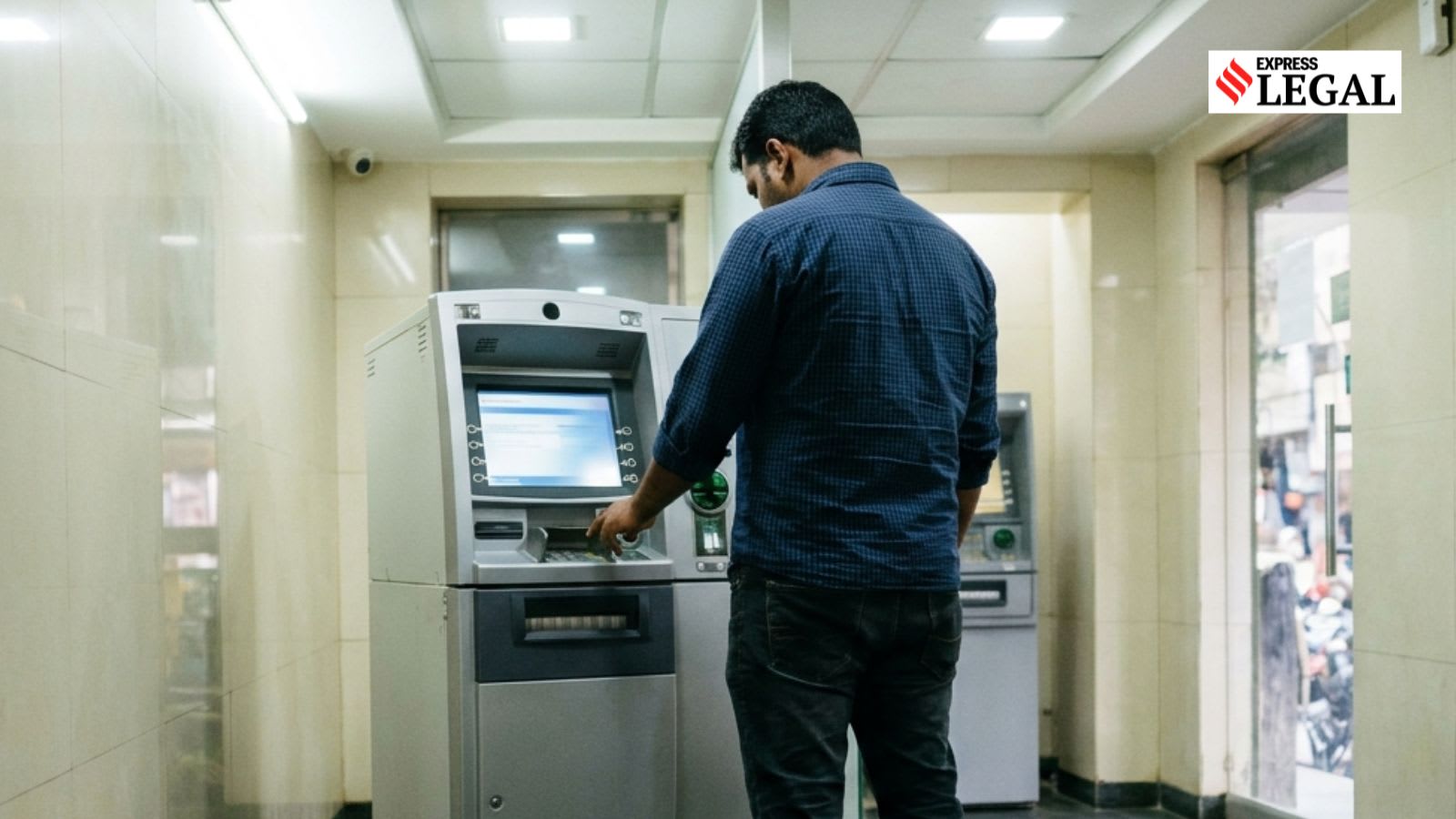
Consumer commissions in India have recently ruled against major institutions, including PUDA and SBI, in cases of service deficiency. These rulings mandate financial compensation for failures in property delivery, banking errors, and subsidy distribution.
Consumer Commissions Uphold Rights Against Institutional Negligence
Recent legal interventions by District Consumer Commissions across India highlight a growing trend of accountability for public and private institutions. From the Punjab Urban Planning and Development Authority (PUDA) to the State Bank of India (SBI) and the Central Bank of India, these rulings underscore the judiciary's commitment to protecting individual consumers against systemic service failures. These cases, occurring in Mohali, Udaipur, and Rohtak, serve as a stern reminder that entities—whether government bodies or nationalized banks—must adhere to their contractual and fiduciary obligations.
The Failure of Infrastructure Delivery
In a significant case regarding the Punjab Urban Planning and Development Authority (PUDA), the Chandigarh District Consumer Commission addressed the failure to deliver a plot in Mohali within the promised 18-month timeframe. By ordering a full refund of Rs 14.51 lakh plus additional compensation, the Commission established that the inability to complete a project within a reasonable timeframe constitutes both a deficiency in service and an unfair trade practice. This ruling is critical for property buyers who often find themselves trapped in long-term financial commitments while developers or authorities fail to meet development milestones.
Banking Accountability and Operational Errors
Banking sector disputes have also seen aggressive judicial oversight. The Udaipur District Consumer Commission’s ruling against the State Bank of India (SBI) regarding an ATM discrepancy is particularly telling. When an ATM dispensed only Rs 1,000 despite a Rs 10,000 debit, the bank’s failure to rectify the error—and its subsequent attempt to shift blame onto an external ATM agency—was deemed unacceptable. The commission’s decision to award Rs 7,000 in compensation alongside the refund of the missing Rs 9,000 signals that banks cannot outsource their liability for customer funds to third-party contractors.
Challenges in Government Subsidy Disbursement
Furthermore, the Rohtak District Consumer Disputes Redressal Commission tackled the failure of the Central Bank of India to release a sanctioned Pradhan Mantri Awas Yojana (PMAY) subsidy. Despite the beneficiary’s eligibility being confirmed, the bank’s failure to credit the Rs 1.99 lakh amount resulted in a ruling requiring the bank to pay the subsidy plus compensation. This case highlights the bureaucratic hurdles that often prevent citizens from accessing essential government welfare schemes, even when the funds have been officially sanctioned.
Broader Implications and Future Trends
These rulings collectively demonstrate a shift toward a more consumer-centric legal landscape in India. As digital banking and real estate transactions become more complex, the role of District Consumer Commissions becomes vital in bridging the power gap between large institutions and the individual. We can expect to see a continued trend of strict judicial scrutiny, where institutions will be required to maintain better internal audit trails and service standards to avoid litigation costs and punitive damages.
Conclusion
Ultimately, the recent series of judgments serves as a cautionary tale for service providers. Whether it is the failure to deliver real estate, the mishandling of cash at an ATM, or the negligence in processing government subsidies, these commissions are signaling that institutional inertia will no longer be tolerated. For the consumer, these rulings offer a beacon of hope, reinforcing the efficacy of the consumer grievance redressal system in upholding basic rights and financial justice.
Multiple Citing Sources