Proud Kakinada is at the heart of India’s return to making Penicillin, says Andhra HRD Minister Nara Lokesh
Source Entity
India Latest News: Top National Headlines Today & Breaking News | The Hindu
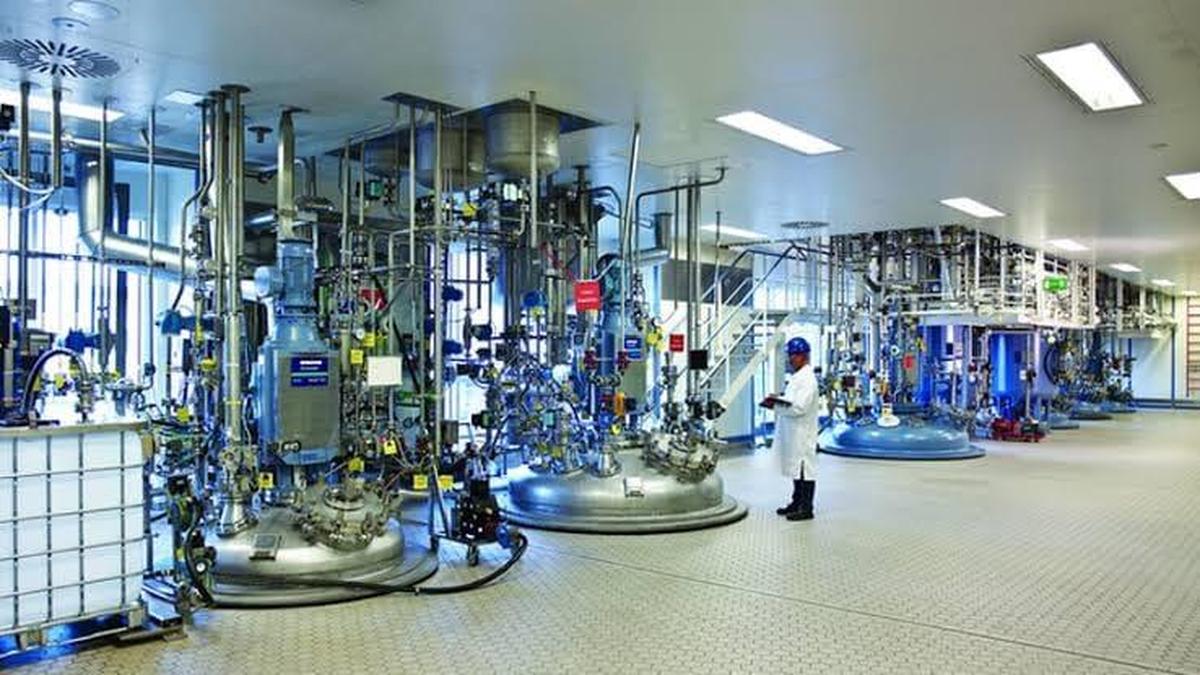
Andhra Pradesh is spearheading India's pharmaceutical self-reliance with the launch of a new Penicillin-G facility in Kakinada. This initiative, supported by the Union government, aims to reduce national dependence on imported antibiotic raw materials.
India’s Strategic Pivot: Reviving Domestic Penicillin Production
In a significant development for India’s pharmaceutical sector, the establishment of a Penicillin-G manufacturing facility by Lyfius Pharma Private Limited in the Kakinada Special Economic Zone (SEZ) marks a pivotal moment in the nation's industrial landscape. Andhra Pradesh HRD Minister Nara Lokesh recently highlighted this facility as a cornerstone of India’s renewed capacity to produce essential antibiotics domestically, effectively signaling a departure from long-standing reliance on foreign imports.
The Strategic Importance of Kakinada
The Kakinada SEZ has emerged as a vital hub for this industrial resurgence. By positioning the production of Penicillin-G within this specialized economic zone, the project leverages state-of-the-art infrastructure designed to foster large-scale manufacturing. Minister Lokesh’s assertion that Kakinada is at the "heart of India's return" to this industry underscores the strategic role of the state in supporting the national agenda of 'Atmanirbhar Bharat,' or self-reliant India.
Addressing Supply Chain Vulnerabilities
For decades, India’s pharmaceutical industry has faced challenges regarding the sourcing of Active Pharmaceutical Ingredients (APIs) and Key Starting Materials (KSMs), often depending heavily on international markets. The shift toward domestic production of Penicillin-G is a direct response to these vulnerabilities. By localizing the production of such essential antibiotics, India is not only insulating its healthcare system from global supply chain shocks but also strengthening its domestic industrial base.
Government Collaboration and Policy Support
The project has received significant backing from the central government, with Prime Minister Narendra Modi acknowledging the achievement on social media. This synergy between the state administration of Andhra Pradesh and the Union government demonstrates a cohesive policy approach aimed at reclaiming India's position as a global manufacturing powerhouse. The official recognition of this milestone serves as a testament to the efficacy of current industrial incentives aimed at reviving domestic manufacturing.
Future Implications for the Pharmaceutical Sector
Looking ahead, the success of the Lyfius Pharma facility could serve as a blueprint for other pharmaceutical initiatives across India. As the nation continues to focus on reducing imports of critical raw materials, the Kakinada project sets a precedent for private-sector investment in essential medicine production. This move is likely to stabilize drug pricing, improve the availability of life-saving medicines, and enhance the overall resilience of India’s public health infrastructure.
Conclusion: A Step Toward Self-Reliance
The revival of Penicillin-G production represents more than just an industrial victory; it is a fundamental shift toward sovereign health security. With Kakinada leading the charge, India is effectively closing the gap in its antibiotic supply chain. This initiative reflects a broader, long-term commitment to ensuring that the nation remains self-sufficient in manufacturing the critical medical components required to serve its vast and growing population.
Verification Required?