Nvidia's role as AI financier faces first big test as neoclouds take market hit
Source Entity
US Top News and Analysis
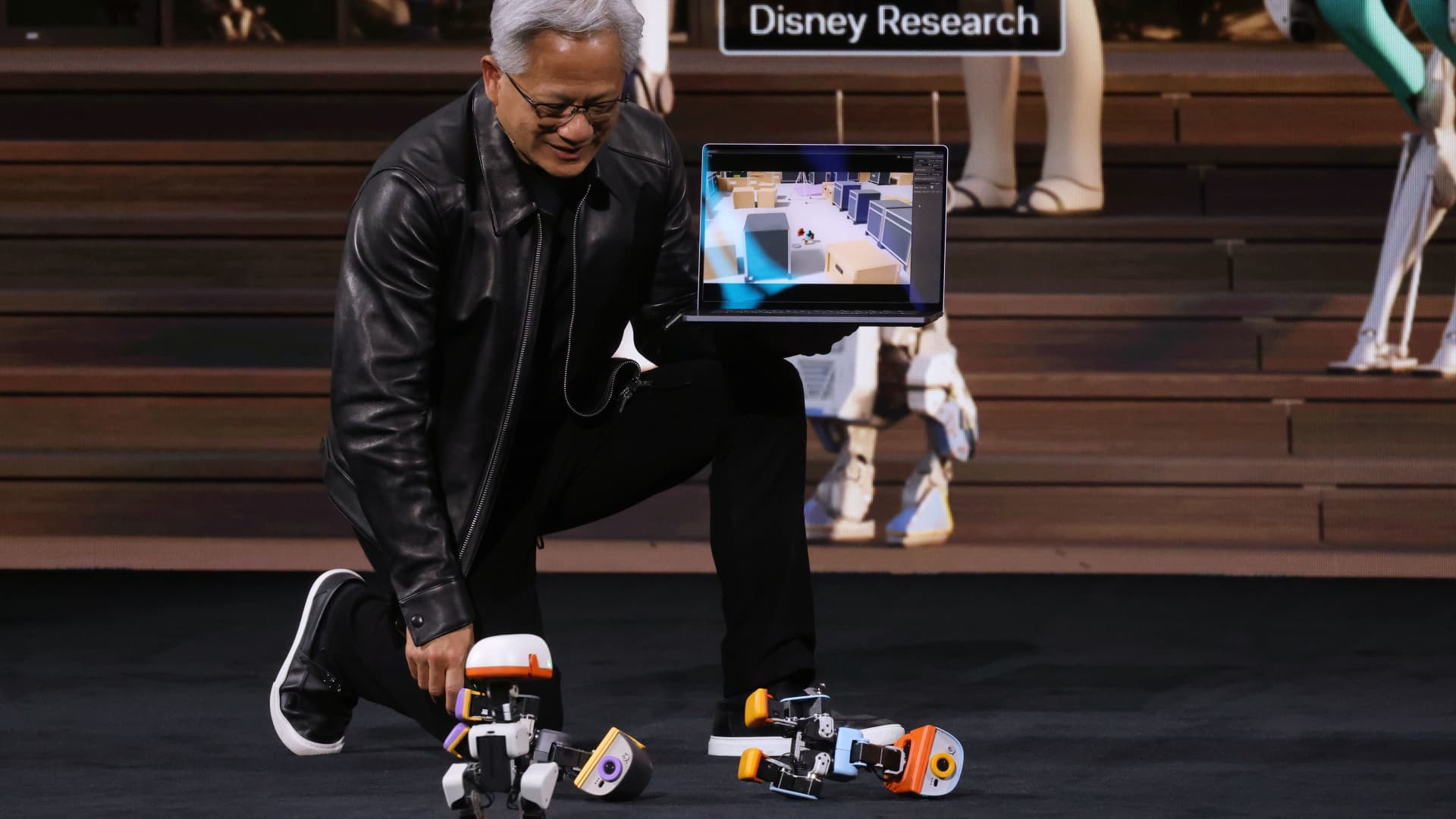
Nvidia is facing a critical financial stress test as its strategy of funding AI model developers and neoclouds encounters tightening credit markets. The company's dual role as both chip supplier and financier is now under intense investor scrutiny.
The Dual-Edged Sword: Nvidia's Financial Strategy Under Scrutiny
Nvidia has long been recognized as the undisputed titan of the semiconductor industry, specifically regarding the hardware essential for the generative artificial intelligence boom. However, the company has recently transitioned into a more complex role: that of a global AI financier. By leveraging its balance sheet to provide investment capital and facilitate loan structures for its customers, Nvidia has effectively created an ecosystem where it supplies both the silicon and the liquidity required to deploy it. This strategy, spearheaded by CEO Jensen Huang, was instrumental in accelerating the early stages of the AI buildout.
The Rise of Neoclouds and Capital Dependency
Central to this strategy is the support of 'neoclouds'—smaller, specialized cloud service providers that compete with hyperscalers by focusing heavily on AI-native infrastructure. These entities often lack the massive capital reserves of traditional tech giants, making them heavily reliant on Nvidia’s financial intervention. By helping these partners secure the necessary funds to procure high-end hardware, such as the new Vera Rubin DSX Pod Full-Stack Modular AI Factory, Nvidia ensured a steady stream of demand for its products. This symbiotic relationship fostered rapid growth, but it also tethered Nvidia’s success to the creditworthiness of its clients.
Market Pressures and the Stress Test
As credit markets begin to tighten, the inherent risks of this financial architecture are becoming increasingly apparent to investors. When capital becomes expensive or scarce, the business models of these smaller AI infrastructure players face significant strain. The current market hit taken by these neoclouds represents the first major stress test for Nvidia's financing model. Investors are now questioning whether the company has taken on outsized risk by acting as a lender or guarantor for entities that may struggle to achieve profitability in a high-interest-rate environment.
Strategic Implications for Jensen Huang’s Vision
Jensen Huang’s vision at the Berlin GPU Technology Conference (GTC) highlights a commitment to full-stack modularity, suggesting that Nvidia intends to remain the backbone of the AI industry. However, the shift from a pure-play chipmaker to an industry financier introduces a level of counterparty risk that the company has not previously faced. If the neoclouds falter, Nvidia’s balance sheet could be exposed to significant impairments, forcing a potential pivot in how the company manages its customer relationships and capital deployment strategies.
Future Trends and Market Outlook
Looking forward, the tech sector will be closely monitoring how Nvidia navigates this cooling credit climate. If the company continues to back its customers through financial downturns, it may solidify its dominance by effectively 'buying' market share. Conversely, if it pulls back on financing, the pace of AI infrastructure deployment could decelerate, impacting Nvidia’s own revenue growth. The outcome of this stress test will likely dictate whether Nvidia is viewed as a resilient industry leader or a company overextended by its own ambition to control the entire AI value chain.