India–UK mobility boom is creating a new logistics corridor
Source Entity
Latest News: Todays Latest News Headlines from India & World | Hindustan Times | Hindustan Times
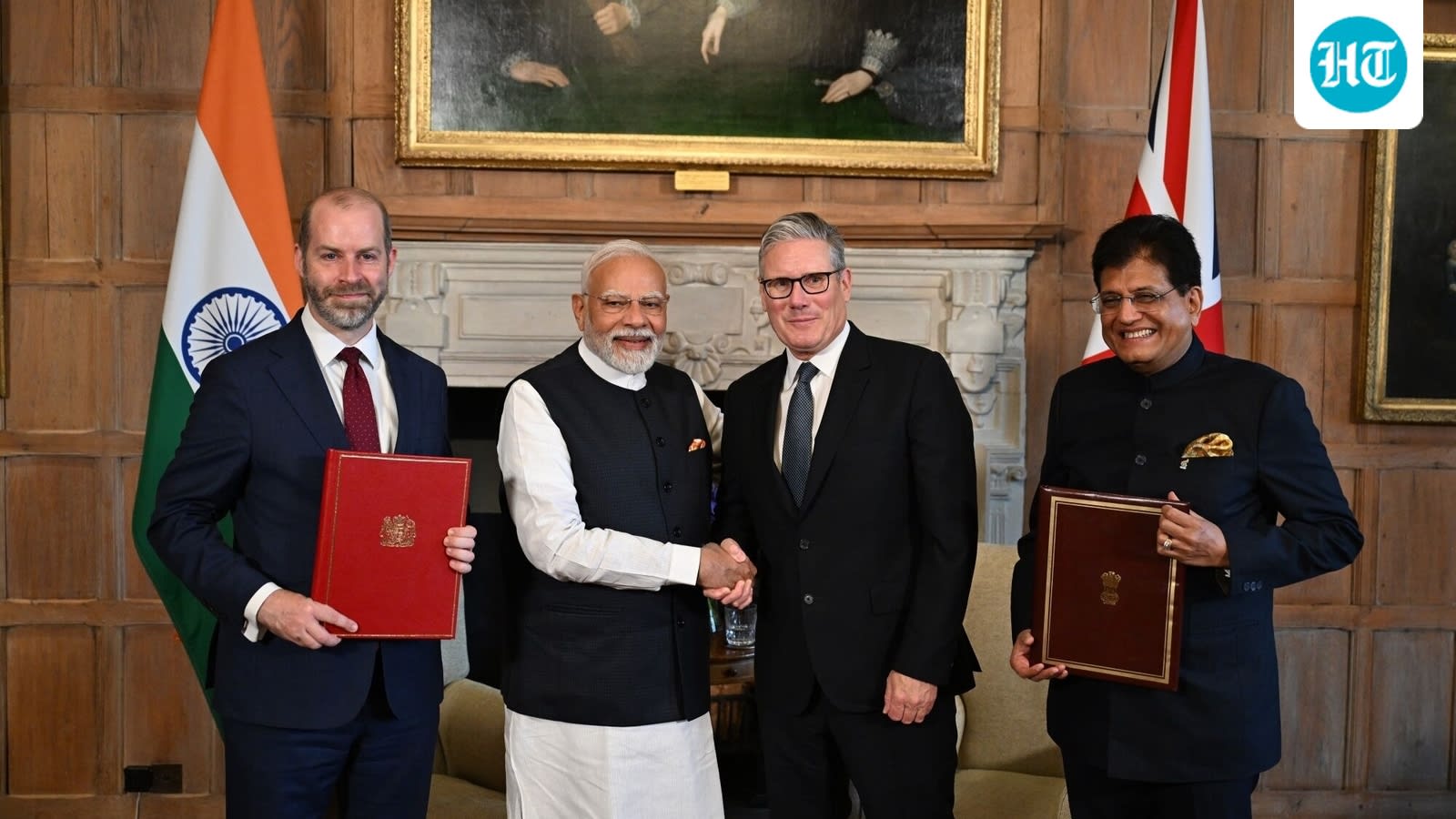
The growing movement of people between India and the UK is fostering a new, human-centric logistics corridor. This trend, bolstered by potential FTA developments, is reshaping trade dynamics beyond traditional corporate exports.
The Emergence of a Human-Centric Logistics Corridor
Recent observations highlight a transformative shift in the economic landscape between India and the United Kingdom. While traditional discourse frequently centers on large-scale corporate investments and bilateral trade agreements, a more grassroots phenomenon is emerging: a robust logistics corridor driven by the personal movement of individuals. As Asad Mirza of Cargo Force Limited notes, the daily migration of students, professionals, retirees, and families is creating a consistent demand for specialized shipping services that differ significantly from industrial freight.
The Role of Personal and Household Cargo
At the heart of this new corridor is the movement of personal belongings, household goods, and small-scale gifts. Unlike traditional supply chains that prioritize bulk commodities or raw materials, this logistics segment is defined by the high-frequency, smaller-consignment needs of the diaspora. This shift suggests that the economic integration between the two nations is becoming increasingly personal, necessitating logistics frameworks that are agile, reliable, and capable of handling diverse consumer goods.
The India-UK FTA as a Catalyst
The ongoing negotiations regarding the India-UK Free Trade Agreement (FTA) act as a vital backdrop to these logistics developments. By aiming to restructure the bilateral economic relationship, the FTA provides a framework that could potentially lower barriers for these smaller-scale movements. If successfully implemented, the agreement will likely formalize the regulatory environment, making it easier for small businesses and individuals to navigate customs and logistical hurdles, thereby accelerating the growth of this human-driven corridor.
Empowering Small Businesses
Beyond individual relocation, this trend creates a significant opportunity for small businesses operating within the India-UK corridor. These enterprises are increasingly utilizing these established logistical pathways to transport niche products and smaller consignments that do not fit into the traditional 'big business' export model. This democratization of trade allows smaller players to participate in the international market, fostering a more inclusive economic relationship between the two countries.
Future Trends and Economic Implications
Looking ahead, the longevity of this logistics corridor depends on the continued mobility of people. As educational and professional ties between India and the UK deepen, the demand for reliable cross-border logistics will likely intensify. This suggests a future where logistics companies must pivot to prioritize personalized service models. The integration of technology to track these smaller, personal shipments will be crucial in maintaining the efficiency of this corridor as it scales to meet the needs of a mobile population.
Conclusion
In summary, the India-UK relationship is evolving beyond the boardroom. The convergence of individual migration patterns and the pursuit of a comprehensive trade agreement is paving the way for a dynamic logistics sector. By focusing on the needs of students, families, and small businesses, this corridor serves as a testament to the fact that the most sustainable economic bonds are often those forged by the daily lives and aspirations of the people moving between nations.
Verification Required?