
The Magenta Breakthrough
Purple glass alters sunlight. 18% more land efficiency occurs when combining electricity and food (Source: CHOSUNBIZ, 2026). Standard dark-blue panels typically block too much light, leaving crops in deep shade that kills yields. New semi-transparent magenta panels use spectrum splitting to let specific wavelengths pass through to the plants. This method allows the same plot of earth to generate power and grow food with less total acreage than if each activity occupied its own field (Source: CHOSUNBIZ, 2026).
"the first in the world to prove that solar power generation that selects wavelengths suitable for plants in ordinary open fields can simultaneously produce electricity and grow crops"— Research Team, CHOSUNBIZ
Broccoli serves as the primary test case for this technology. Data shows light-use efficiency for broccoli increased 4.5 times under these specific panels (Source: CHOSUNBIZ, 2026). While the plants grow more efficiently in terms of light absorption, the biological clock slows down. Harvests require 25 additional days to reach full maturity compared to open-field farming (Source: Bioengineer, 2026). This trade-off creates a tension between energy gain and harvest timing.
| Metric | Open Field Broccoli | Magenta Solar Broccoli |
|---|---|---|
| Land-Use Efficiency | Baseline | +18% (Source: CHOSUNBIZ, 2026) |
| Light-Use Efficiency | Baseline | 4.5x Increase (Source: CHOSUNBIZ, 2026) |
| Maturation Time | Standard | +25 Days (Source: Bioengineer, 2026) |
| Final Yield | Standard | No Difference (Source: CHOSUNBIZ, 2026) |
These results mark a transition from the general experiments of previous years to targeted spectral engineering. In 2024, researchers at Colorado State University proved that semi-transparent panels could maintain or increase yields for a wide array of crops (Source: CHOSUNBIZ, 2026). These included turnips, basil, lettuce, bok choy, ginger, sweet potatoes, bell peppers, and tomatoes. The 2026 data on broccoli suggests that we are moving past simple shading toward active light management.
This technical evolution is vital for high-density hubs like Mumbai, Jakarta, and Dhaka. In these regions, the battle for every square meter of arable land is constant. An 18% gain in land efficiency is not a minor stat; it is a survival mechanism for urban fringes where food security and energy needs compete for the same dirt (Source: CHOSUNBIZ, 2026).
Mediterranean Biodiversity
Italy provides a different data set. Researchers in the Laterza area of Puglia examined how agrivoltaic shading affects grapevines in hot, dry conditions (Source: pv magazine, 2026). The findings suggest that shading does more than protect the primary crop. It creates a microclimate that supports spontaneous plant species that would otherwise burn under the Mediterranean sun (Source: pv magazine, 2026).
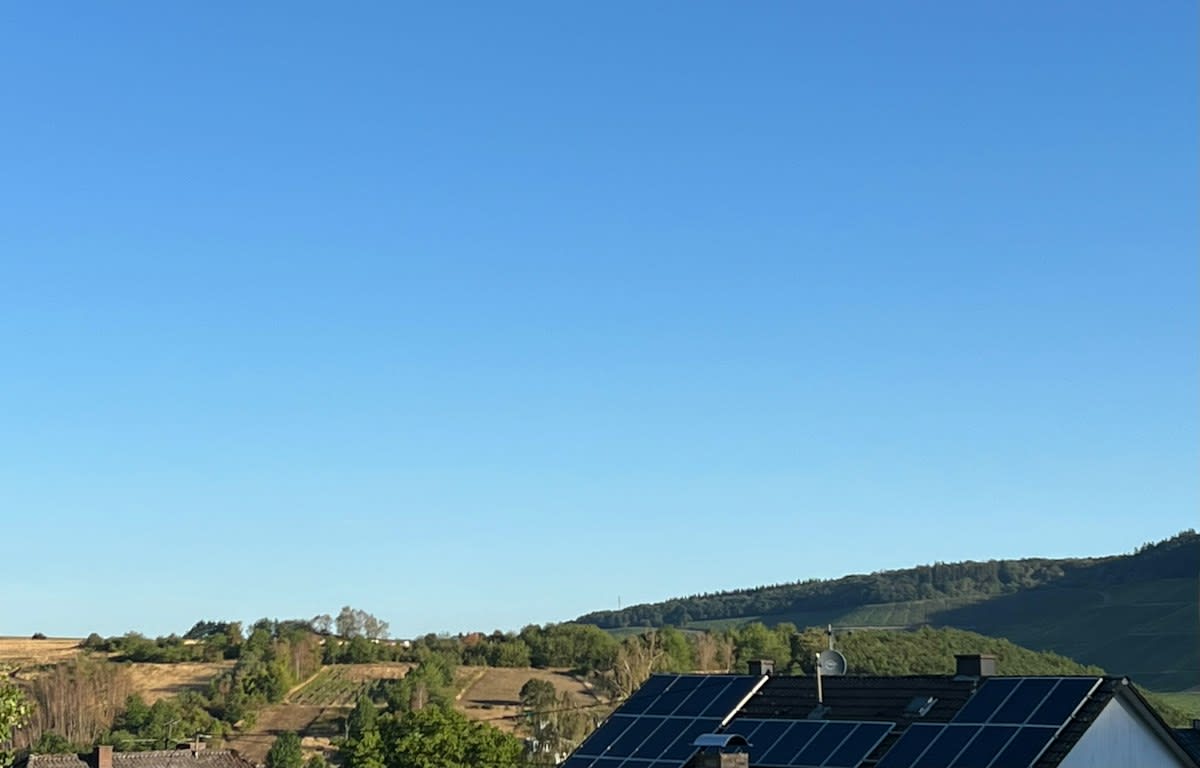
Biodiversity metrics showed a statistically significant increase in species richness beneath the modules (Source: pv magazine, 2026). Specifically, the researchers recorded clover, common sowthistle, plantain, tassel hyacinth, and several types of alfalfa. This suggests that solar crops do not create a sterile monoculture but instead foster a ground-level ecosystem that can improve soil health over time.
The Puglia study highlights the physiological benefits of shading in heat-stressed zones. By reducing direct solar radiation, the modules prevent the vines from reaching critical heat thresholds. This protection ensures that fruit composition and yield remain stable even as regional temperatures climb (Source: pv magazine, 2026).
Ground-Level Reality
Field work is rarely as clean as the data tables. Practitioners in Lagos or Nairobi deal with rust-pitted mounting brackets and salt-burned soil that tests the limits of these installations. There is real friction when a farmer realizes their broccoli is 25 days behind schedule. In a market where timing is everything, a month's delay can mean the difference between a premium price and a wasted crop (Source: Bioengineer, 2026).
The physical maintenance of these systems is another hurdle. Technicians navigate grease-slicked machinery and copper-scented wiring in high-humidity environments. The semi-transparent panels must be kept clean of dust and debris to maintain the 4.5x light-use efficiency. If the magenta coating degrades or becomes coated in grime, the spectral benefit vanishes, and the crop simply starves in the shade.
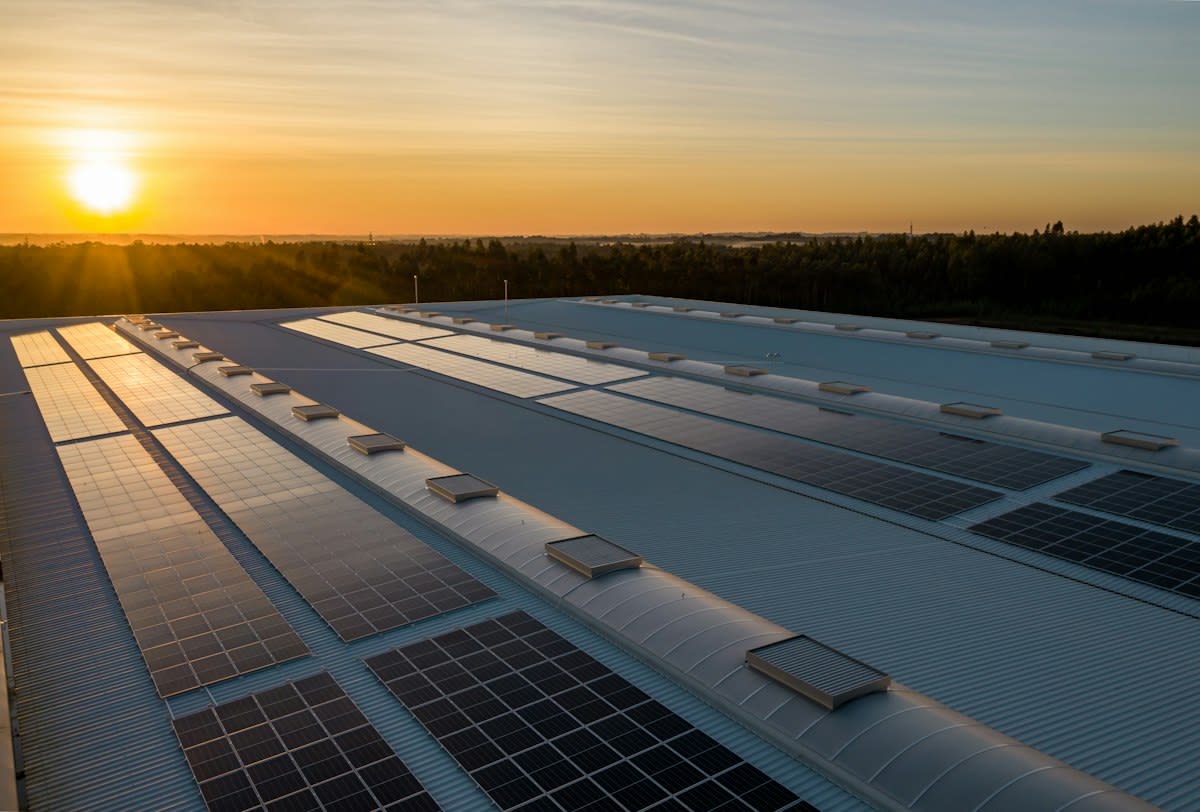
Despite the friction, the economic logic holds. The ability to generate revenue from electricity while maintaining the same final yield as open fields is a powerful incentive (Source: CHOSUNBIZ, 2026). For a farmer in Sao Paulo or Kinshasa, the electricity can power irrigation pumps or cold storage, reducing the post-harvest loss that plagues emerging hubs.
Failure Points
The primary failure point is the maturation lag. A 25-day delay in broccoli growth creates a window of vulnerability to pests and weather events (Source: Bioengineer, 2026). If a sudden frost or flood hits during those extra three weeks, the entire harvest is lost. This temporal risk is the hidden cost of the 18% land efficiency gain.
Another risk is spectral mismatch. While magenta panels work for broccoli, they may not work for all crops. The Colorado State University data from 2024 shows a wide range of success, but not every plant responds to the same wavelength (Source: CHOSUNBIZ, 2026). Using the wrong panel for a specific crop could lead to stunted growth or poor nutrient density.
Fact-Check & Accuracy Note
All statistics regarding broccoli efficiency (4.5x light-use, 18% land-use) and maturation (25-day delay) are sourced from CHOSUNBIZ and Bioengineer reports published in October 2026. Biodiversity data for Puglia is sourced from pv magazine (2026). Crop yield data for turnips, basil, and others is attributed to Colorado State University (2024).