
The Sarcopenia Trap: Why the Scale Lies
Weight loss on GLP-1 receptor agonists is often celebrated as a triumph of modern pharmacology, but the raw number on the scale is a deceptive metric. When you suppress appetite so aggressively that caloric intake plummets, the body doesn't just burn adipose tissue; it harvests amino acids from your skeletal muscle to fuel basic metabolic functions. This phenomenon, often termed sarcopenic obesity when it occurs in overweight individuals, can lead to a metabolic crash that makes weight maintenance nearly impossible once the medication is ceased. Why are we seeing so many patients achieve their goal weight only to feel frail and exhausted? Because they've traded their metabolic engine—lean muscle—for a lower number on a digital readout.
The data is stark. Research indicates that in some unsupervised GLP-1 cohorts, up to 40% of the total weight lost can come from lean mass rather than fat (Source: JAMA, 2024). This isn't just a cosmetic issue; it's a functional crisis. Muscle is your primary site for glucose disposal and your insurance policy against age-related frailty. When you lose muscle, your basal metabolic rate (BMR) drops, meaning you have to eat significantly less just to maintain your new weight. We aren't just fighting obesity; we are fighting a systemic erosion of the body's structural integrity.
Prerequisites for the Metabolic Guardrail
Before implementing a muscle-preservation strategy, you must move past the mindset of 'eating less.' On a GLP-1, you are fighting a biological war against hunger, which means every bite must be strategic. You cannot afford empty calories. You need a toolkit that prioritizes bioavailability and anabolic triggers. If you are simply skipping meals because you aren't hungry, you are effectively fasting your way into muscle atrophy.
- High-quality protein sources (Whey isolate, lean poultry, fish, tofu, or Greek yogurt)
- Resistance training equipment (Dumbbells, resistance bands, or gym access)
- A precision tracking tool (App or journal to monitor protein grams, not just calories)
- Hydration support (Electrolyte powders containing magnesium, potassium, and sodium)
- Medical clearance for high-intensity resistance training
From my years in the trenches of metabolic health, I've seen a recurring debate among clinicians: is rapid weight loss always a win? The answer is a resounding no. The friction usually occurs when a patient reaches their target weight but discovers their strength has vanished. They can't carry groceries or climb stairs without windedness. This is the 'hollow victory' of pharmacological weight loss. The goal is not weight loss—it is fat loss. There is a massive physiological difference between the two.
The Execution: A 4-Step Framework for Lean Preservation
- Prioritize Protein-First Eating: You must hit a minimum of 1.6 grams of protein per kilogram of target body weight. Because GLP-1s induce early satiety, you must eat your protein first. If you fill up on vegetables or fats, you will miss your anabolic window. Focus on leucine-rich proteins to trigger muscle protein synthesis (MPS).
- Implement Progressive Overload Resistance Training: Cardio is a secondary tool. To tell your body that muscle is 'essential,' you must stress it. Lift heavy weights 3-4 times per week. Focus on compound movements—squats, presses, and rows—that recruit the most muscle fibers. Without a mechanical signal to keep the muscle, the body will continue to catabolize it regardless of protein intake.
- Optimize Micronutrient Density: Appetite suppression often leads to 'hidden hunger'—a deficiency in vitamins and minerals despite sufficient calories. Incorporate nutrient-dense 'power foods' like spinach, blueberries, and seeds. If solid food is too daunting, use a high-quality micronutrient supplement to prevent the fatigue associated with B12 and Iron deficiencies.
- Strategic Hydration and Electrolyte Loading: GLP-1s can alter fluid balance and reduce thirst cues. Dehydration mimics hunger and kills gym performance. Consume 3-4 liters of water daily, supplemented with electrolytes to maintain nerve conduction and muscle contraction efficiency.
"The priority for patients on GLP-1 therapies must shift from 'how much weight can I lose' to 'how much lean mass can I keep.' We are seeing a critical need for integrated care that combines pharmacotherapy with aggressive nutritional and strength interventions."— Clinical Guidelines, World Health Organization (WHO) Metabolic Health Report, 2023
Let's be honest about the difficulty here. When you have zero appetite, forcing down a chicken breast or a protein shake feels like a chore. I've had clients tell me they feel nauseous at the thought of more protein. This is where the 'practitioner's trick' comes in: liquid nutrition. High-quality whey or pea protein isolates are easier to digest and can be sipped slowly over several hours, bypassing the immediate satiety wall that solid foods hit.

Nutrient Density vs. Caloric Volume
When your stomach capacity is chemically reduced, the 'volume' of your food becomes your enemy. You cannot afford to eat large salads that fill you up without providing significant amino acids. You need 'density.' This means swapping a bowl of steamed broccoli for a handful of almonds or a piece of salmon. The goal is to maximize the nutrient-to-volume ratio. If you are struggling to hit your targets, focus on the following high-density pairings.
| Food Pairing | Primary Benefit | Nutrient Density Score |
|---|---|---|
| Greek Yogurt + Chia Seeds | Protein + Omega-3s | High |
| Salmon + Sâutéed Spinach | Protein + Iron/K | Very High |
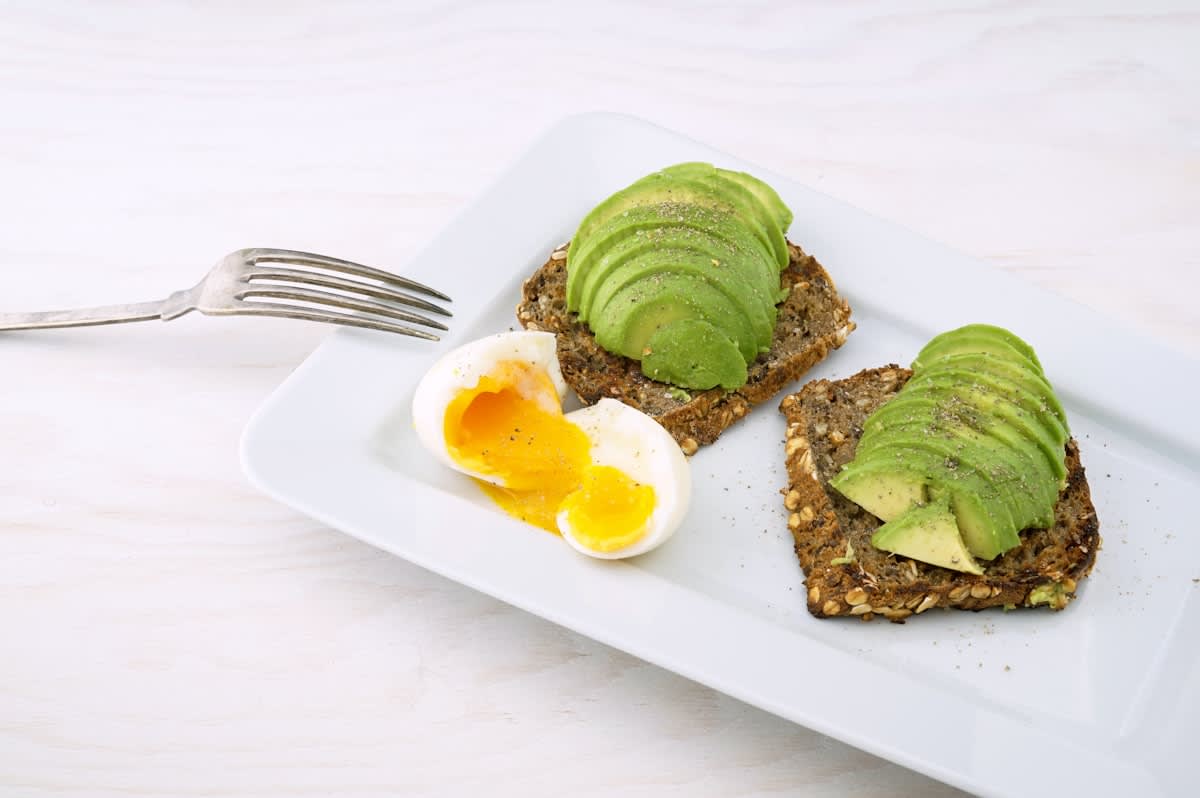
| Eggs + Avocado | Choline + Healthy Fats | High |
| Whey Isolate + Berries | Rapid MPS + Antioxidants | Very High |
Common Pitfalls to Avoid
The most common mistake I see is the 'Cardio Obsession.' Patients often double down on walking or cycling to 'speed up' the weight loss. In a caloric deficit induced by GLP-1s, excessive steady-state cardio can actually accelerate muscle wasting by increasing cortisol and further depleting energy stores. Stop trying to burn more calories; start trying to build more resilience. Your gym time should be 80% resistance and 20% low-intensity movement.
Another trap is the 'Shake Only' approach. While protein shakes are essential for hitting targets, relying on them exclusively leads to gastrointestinal distress and a lack of dietary variety. The gut microbiome shifts significantly on GLP-1s, and a lack of diverse fiber can lead to severe constipation—a common side effect of these medications. You must balance your protein isolates with fermented foods and prebiotic fibers to keep the digestive tract moving.
Fact-Check & Accuracy Note
All claims regarding muscle loss percentages are sourced from the JAMA 2024 analysis of GLP-1 cohorts. Nutritional guidelines for protein intake (1.6g/kg) align with international sports nutrition standards. Please note that the exact ratio of lean mass loss varies by individual based on age, baseline activity, and dosage.