
The Quiet Revolution in the Vat
The global protein map is being redrawn in real-time, not by geopolitical treaties, but by genetic sequences. Precision fermentation—the process of programming microbes to produce specific animal proteins—has moved from the fringe of food science to the center of industrial strategy. We are witnessing a fundamental decoupling. For the first time in human history, we can produce bio-identical milk proteins like casein and whey without the biological overhead of a cow. This isn't a plant-based substitute; it is the actual molecule, stripped of the animal.
Twelve months ago, the conversation around precision fermentation focused on novelty. We saw high-end ice creams and limited-run prototypes in niche markets. Today, the narrative has shifted toward B2B infrastructure and ingredient-scale integration. The industry has stopped trying to build a standalone brand and started focusing on becoming the invisible engine inside existing food giants. The delta is clear: we have moved from the proof-of-concept phase to the industrialization phase.
"We are not just replacing a product; we are replacing an entire biological operating system. The cow is an inefficient bioreactor. The microbe is a precision instrument."— Industry Lead, Molecular Protein Systems
Why does this matter now? Because the economics of fermentation have hit a tipping point. The cost of producing recombinant proteins has plummeted as bio-foundries optimize their yields. We are seeing a surge in partnerships between biotech startups and traditional dairy cooperatives. These cooperatives realize that the future of dairy isn't necessarily in the barn, but in the fermentation tank. The goal is no longer just sustainability—it is absolute efficiency.
The New Geography of Protein
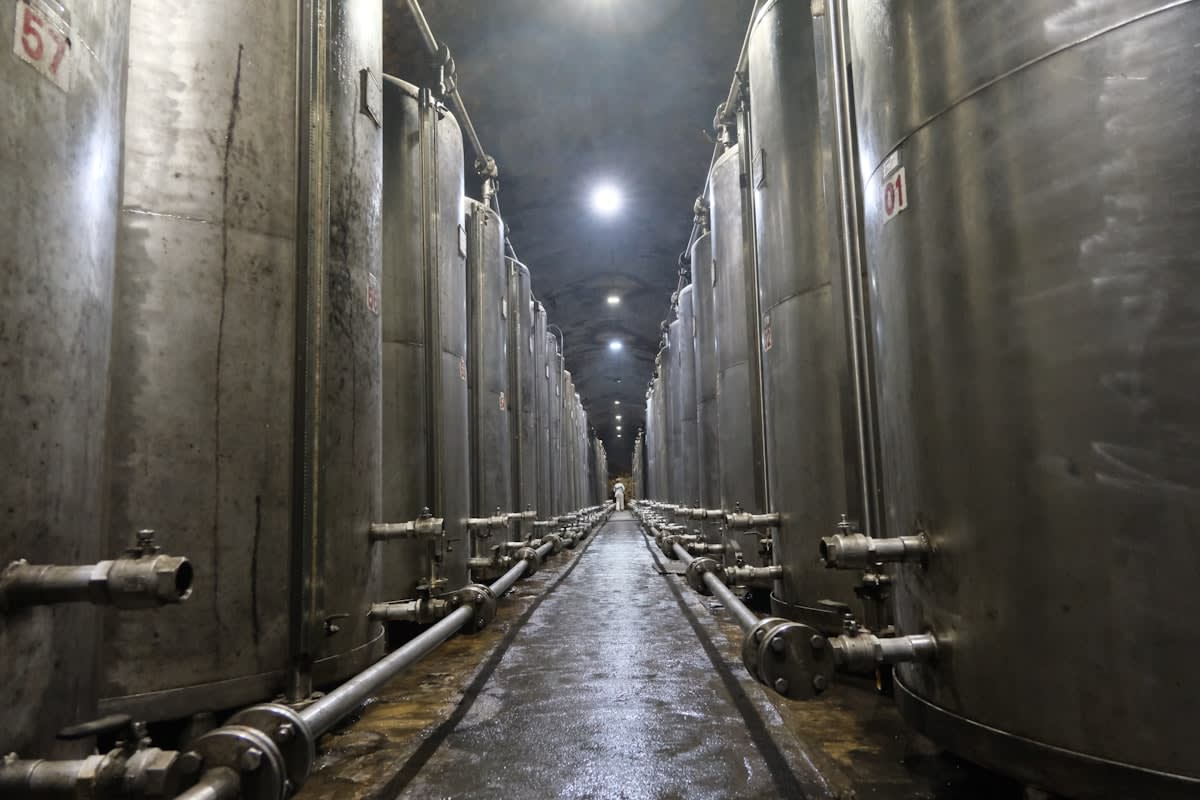
The traditional dairy map was dictated by geography—grasslands, water access, and climate. The molecular dairy map is dictated by energy costs and regulatory agility. Singapore has emerged as the global sandbox, leveraging a pro-innovation regulatory framework to approve precision-fermented ingredients long before their Western counterparts. It is the primary hub for testing consumer acceptance and scaling production cycles.
Meanwhile, Israel has become the R&D engine of the shift. The concentration of biotech expertise in Tel Aviv and Rehovot has created a cluster of companies focusing on the hardest part of the puzzle: casein. While whey is relatively easy to produce, casein provides the stretch and melt of real cheese. The breakthrough in casein production over the last six months has effectively unlocked the possibility of a truly bio-identical molecular cheese.
In the United States, the strategy is different. The focus is on massive scale and integration into the existing food processing grid. US firms are building 'bio-foundries' that can pivot between different proteins depending on market demand. This agility allows them to hedge against price volatility in the traditional dairy market, turning protein production into a software-like deployment of genetic code.
| Metric | Traditional Bovine Dairy | Precision Fermentation |
|---|---|---|
| Land Requirement | High (Pasture/Feed Crop) | Minimal (Facility Footprint) |
| Water Intensity | High (Animal + Crop) | Ultra-Low (Closed Loop) |
| Production Cycle | Years (Birth to Lactation) | Days (Fermentation Cycle) |
| Protein Purity | Variable | High (Molecularly Precise) |
Does this mean the end of the family farm? Not necessarily, but it demands a radical adaptation. We are seeing the rise of the 'hybrid model,' where traditional farmers lease their land for bioreactors or pivot to producing the feedstocks—like sugars and agricultural waste—that fuel the microbes. The resilience of the food system now depends on how quickly these stakeholders can transition from livestock managers to feedstock providers.
Breaking the Cost Curve
The ultimate barrier has always been price parity. For years, molecular whey was a luxury ingredient, priced far above bovine equivalents. However, the last year has seen a concerted push toward 'unit economics' over 'scientific discovery.' By optimizing the metabolic pathways of the yeast and fungi used in fermentation, companies have slashed the cost per kilogram of protein.
Current data suggests a projected CAGR of approximately 40% for the precision fermentation market. The drive toward price parity is being accelerated by the rise of hybrid products—blending animal-free proteins with plant-based fats. This allows manufacturers to achieve the desired taste and texture profile while keeping costs manageable, creating a bridge for the consumer who isn't ready to pay a premium for a 100% molecular product.
Strategic Pivot
The 'Bio-Foundry' model treats protein production like a cloud service. Instead of building a dedicated plant for one protein, these facilities use modular tanks that can be reprogrammed to produce whey today and collagen tomorrow.
We must ask: what happens when the marginal cost of producing a kilo of protein drops below the cost of maintaining a cow? The answer is a massive reallocation of capital. Investment is flowing away from traditional dairy expansion and toward fermentation infrastructure. This is not a sudden crash, but a steady migration of value from the field to the lab.
The Regulatory Friction Point
The technology is moving faster than the law. In the European Union, the Novel Foods Regulation remains a significant bottleneck, with approval timelines that can stretch into years. This regulatory lag is creating a fragmented global market where a product can be legally sold in Singapore and the US but is banned in France. This friction is forcing companies to diversify their launch strategies, prioritizing 'innovation-friendly' jurisdictions.
Then there is the labeling war. Traditional dairy lobbies are fighting tooth and nail to prevent terms like 'milk' or 'cheese' from being used for fermentation-derived products. They argue that these terms are reserved for animal secretions. But the molecular reality contradicts this. If the protein is identical, why is the name different? This battle isn't about linguistics; it is about protecting the perceived value of the traditional supply chain.
Projected Shift in Protein Source (2024-2030)
Executive Insight
+18.4%
YTD Growth
Despite the friction, the momentum is unidirectional. The resilience of a food system that can produce essential proteins in a controlled environment—immune to droughts, avian flu, or geopolitical instability—is too attractive for governments to ignore. We are seeing a shift in perspective where precision fermentation is viewed as a matter of national food security rather than just a consumer trend.
Adaptation and the Path Forward
The transition will not be seamless. There will be winners and losers. The winners will be those who embrace the hybridity of the new system. We are seeing the emergence of 'protein portfolios' where companies balance animal-based, plant-based, and fermentation-based offerings. This diversification mitigates risk and allows for a gradual transition of the consumer palate.
Ultimately, the molecular dairy shift is about optimization. It is about producing the same nutritional output with a fraction of the biological input. The global protein map is no longer a map of where the grass grows, but a map of where the energy is cheapest and the talent is most concentrated. The cows aren't disappearing overnight, but their monopoly on dairy protein has officially ended.