‘PDA’ for votes, family and capitalists for tickets: Mayawati attacks Samajwadi Party
Source Entity
Maulshree Seth
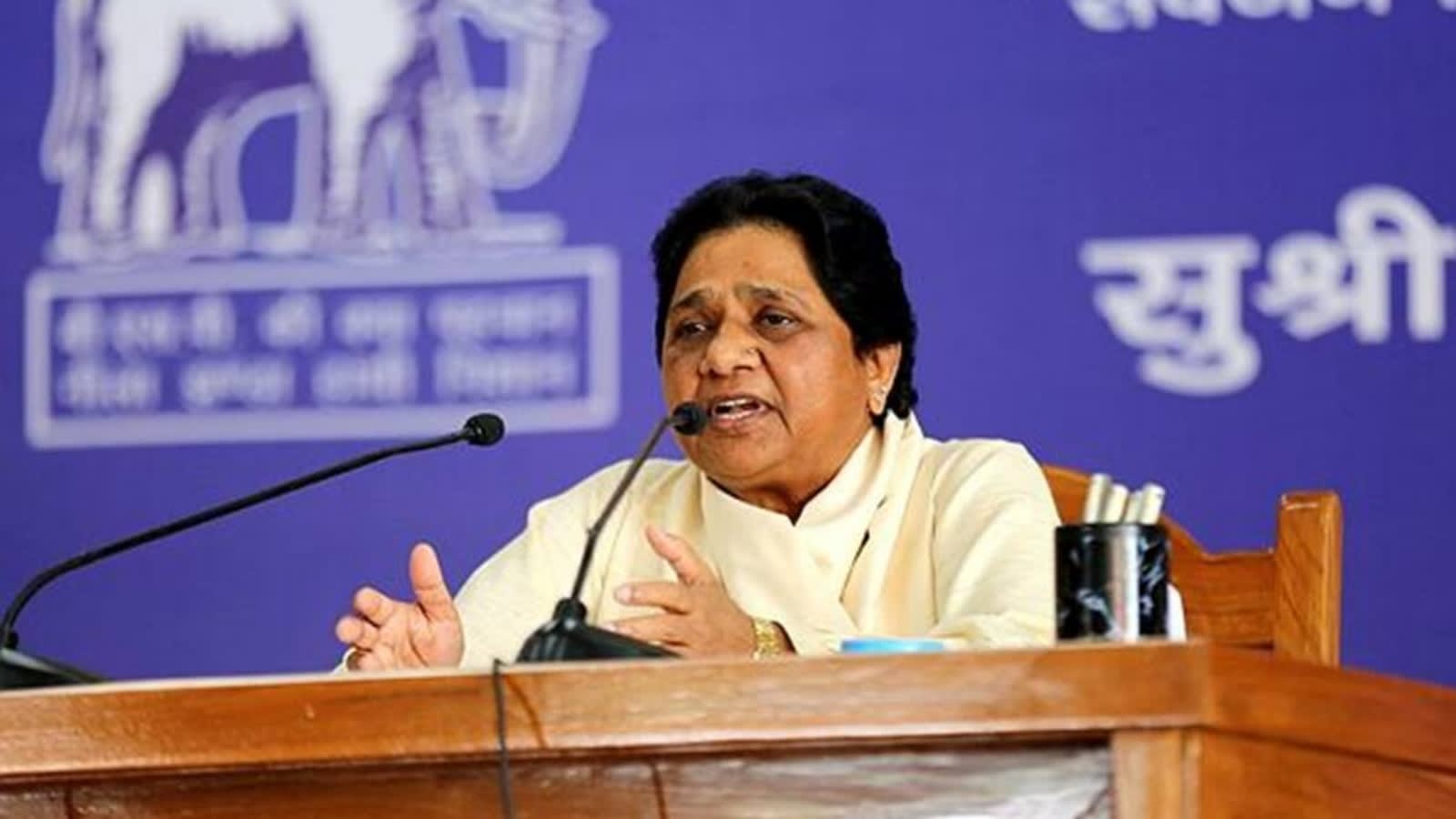
BSP Chief Mayawati has criticized the Samajwadi Party for its Rajya Sabha nominations, alleging a contradiction between their 'PDA' slogan and their practice of favoring dynasts and wealthy industrialists. She contrasted this with the BSP's policy of prioritizing grassroots Ambedkarite workers over nepotism and money power.
The Clash of Ideologies in Uttar Pradesh Politics
Bahujan Samaj Party (BSP) President Mayawati has launched a scathing critique of the Samajwadi Party (SP), specifically targeting the latter's 'PDA' (Pichhda, Dalit, Alpsankhyak) platform. By highlighting the recent Rajya Sabha nominations of Reliance executive Dhanraj Nathwani and party veteran Ram Gopal Yadav, Mayawati suggests that the SP’s political rhetoric regarding social justice for marginalized communities is fundamentally disconnected from its internal distribution of power.
Deconstructing the PDA Contradiction
The core of Mayawati's argument lies in the perceived hypocrisy of the SP’s electoral strategy. While the SP aggressively promotes the PDA narrative to capture the votes of backward classes, Dalits, and minorities, Mayawati contends that the party’s leadership prioritizes dynastic interests and corporate influence when it comes to high-level legislative representation. By nominating a wealthy industrialist and a family member, the SP has, in her view, signaled that its primary loyalty remains with the elite rather than the grassroots constituents it claims to represent.
BSP’s Counter-Narrative: The Ambedkarite Model
In contrast to the SP’s approach, Mayawati has positioned the BSP as a bastion of 'clean' politics, explicitly rejecting the influence of nepotism and 'money power.' She emphasizes that the BSP’s candidate selection process is designed to elevate hardworking Ambedkarite workers from the poor and middle classes. This strategic positioning aims to distinguish the BSP as the only party truly committed to the upliftment of the socio-economically disadvantaged, framing the SP as a party of the privileged.
Historical Context of Political Patronage
The tension between socialist rhetoric and the practical realities of ticket distribution is a recurring theme in Indian electoral history. Mayawati’s critique echoes long-standing concerns regarding the professionalization and corporatization of political parties. By calling out the nomination of an industrialist, she is tapping into a populist sentiment that views the nexus between big business and political dynasties as a barrier to authentic representation for the marginalized.
Broader Implications for UP Politics
The political fallout from this exchange highlights the intense competition for the non-dominant caste vote bank in Uttar Pradesh. As both parties vie for the support of backward and minority communities, the narrative of 'dynasty vs. grassroots representation' is becoming a central fault line. Mayawati’s warnings to the electorate to be wary of 'double standards' serve as a strategic effort to reclaim the BSP's relevance by framing the SP as a party that exploits the PDA demographic for electoral gain without offering them substantive legislative power.
Future Trends and Electoral Impact
Moving forward, the effectiveness of Mayawati’s critique will depend on how the electorate perceives the SP’s commitment to its social justice agenda versus its reliance on established political families. If the BSP can successfully frame the SP's nominations as a betrayal of the PDA, it may succeed in consolidating its core base. Conversely, the SP will likely continue to defend its choices as strategic maneuvers necessary for political survival and influence, setting the stage for a prolonged ideological battle in the lead-up to future electoral cycles.