Parliamentary Committees reshuffle: TMC loses both chairperson posts
Source Entity
Asad Rehman
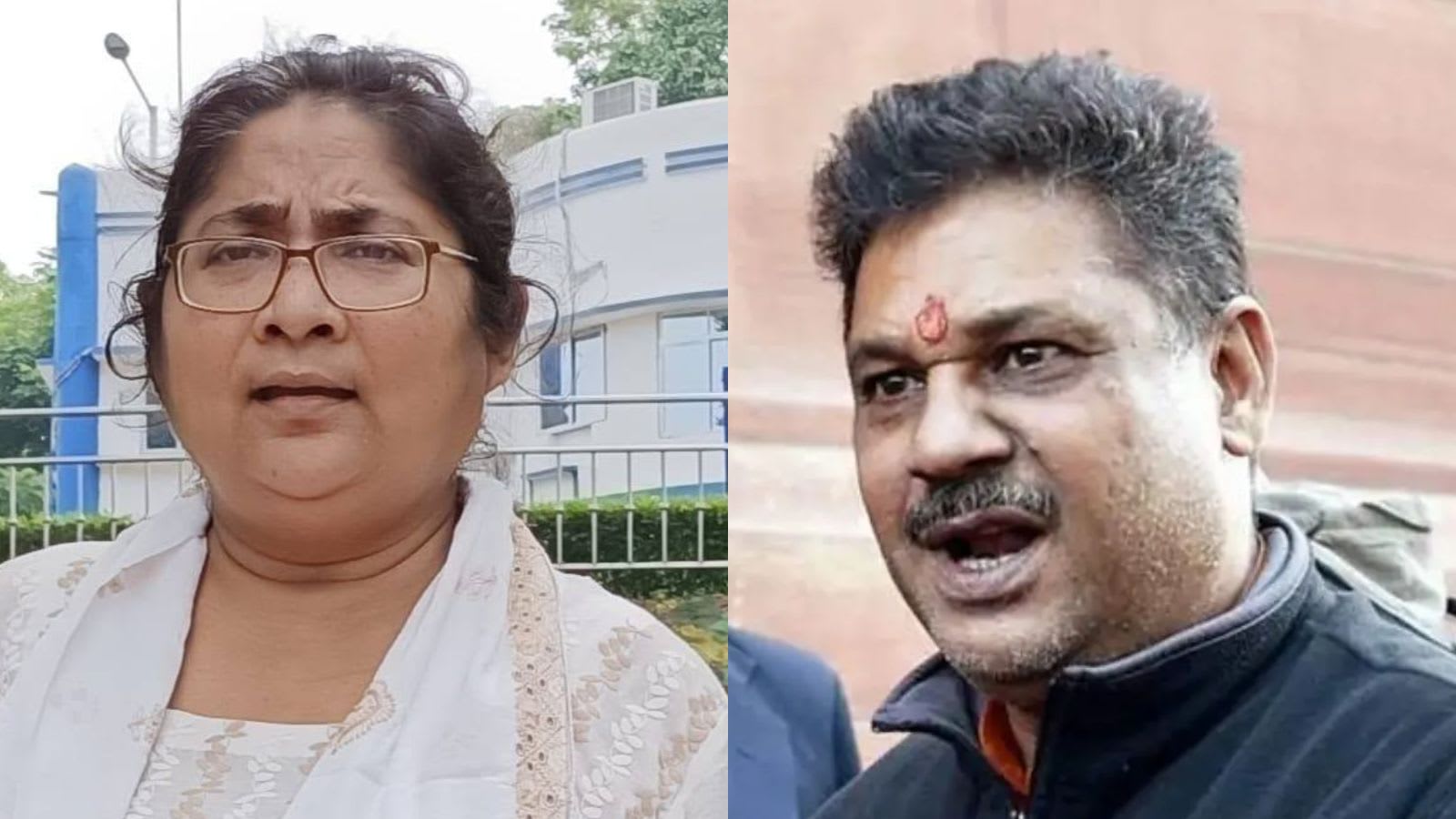
The Trinamool Congress (TMC) has lost both its Parliamentary Standing Committee chairpersonships following a major reshuffle by the Speaker and Rajya Sabha Chairman. The changes, affecting six of 24 committees, stem from internal shifts and MP defections following recent West Bengal elections.
Strategic Realignment in Parliamentary Committees
In a significant administrative and political development, the Parliamentary Standing Committees have undergone a major reshuffle, impacting six of the 24 existing panels. This reorganization, overseen by Rajya Sabha Chairman C.P. Radhakrishnan and Lok Sabha Speaker Om Birla, reflects the evolving legislative landscape following the recent West Bengal Assembly elections. The most notable consequence of this reshuffle is the Trinamool Congress (TMC) losing its two chairperson berths, signaling a decline in the party's influence within these specialized legislative bodies.
The Shift in Leadership
The changes specifically target the committees on Commerce and Chemicals and Fertilisers. The Committee on Commerce, previously steered by TMC Rajya Sabha MP Dola Sen, will now be chaired by BJP Rajya Sabha MP Sudhanshu Trivedi. Similarly, the panel on Chemicals and Fertilisers, formerly led by TMC MP Kirti Azad, has been reassigned to Kakoli Ghosh Dastidar. These appointments underscore the BJP's consolidation of control over critical economic and industrial oversight committees.
Internal Dissent and Party Defections
The loss of these positions is directly linked to internal fractures within the Trinamool Congress. Following the BJP's electoral success in the West Bengal Assembly elections, a faction of TMC MPs led by Kakoli Ghosh Dastidar moved to distance themselves from the party. Dastidar’s faction notably claimed to have merged with the Nationalist Citizens Party of India (NCPI), a maneuver that prompted the Speaker to recognize the new political reality during the committee reconstitution process.
Continuity Among BJP Allies
While the TMC faced a setback, the broader coalition dynamics remain stable. The leadership of several other key committees has been retained by leaders of BJP allies, including the JD(U), Shiv Sena, and the TDP. Additionally, the DMK continues to maintain its influence, with party MPs Tiruchi Siva and K. Kanimozhi being re-appointed to lead the committees on Industry and Food, Consumer Affairs, and Public Distribution, respectively.
Broader Legislative Implications
Parliamentary committees serve as the engine room of Indian democracy, providing detailed scrutiny of government policies and legislation. The transfer of these chairmanships to BJP members and allied partners ensures that the ruling coalition maintains tighter oversight of the committee agendas. This shift reflects a broader trend of legislative consolidation, where the composition of committees is increasingly aligned with the shifting numbers in the Lok Sabha and Rajya Sabha.
Conclusion and Future Outlook
The reconstitution of these committees marks a definitive shift in the parliamentary power balance. As the BJP and its allies solidify their presence across the committee structure, the TMC’s loss of leadership highlights the significant consequences of internal party fragmentation. Moving forward, the focus will remain on how these new chairs—particularly those overseeing commerce and chemicals—steer the legislative discourse in an increasingly polarized political environment.