Trump plan to combat AI risks hinges on Big Tech pals policing themselves
Source Entity
Ashley Belanger
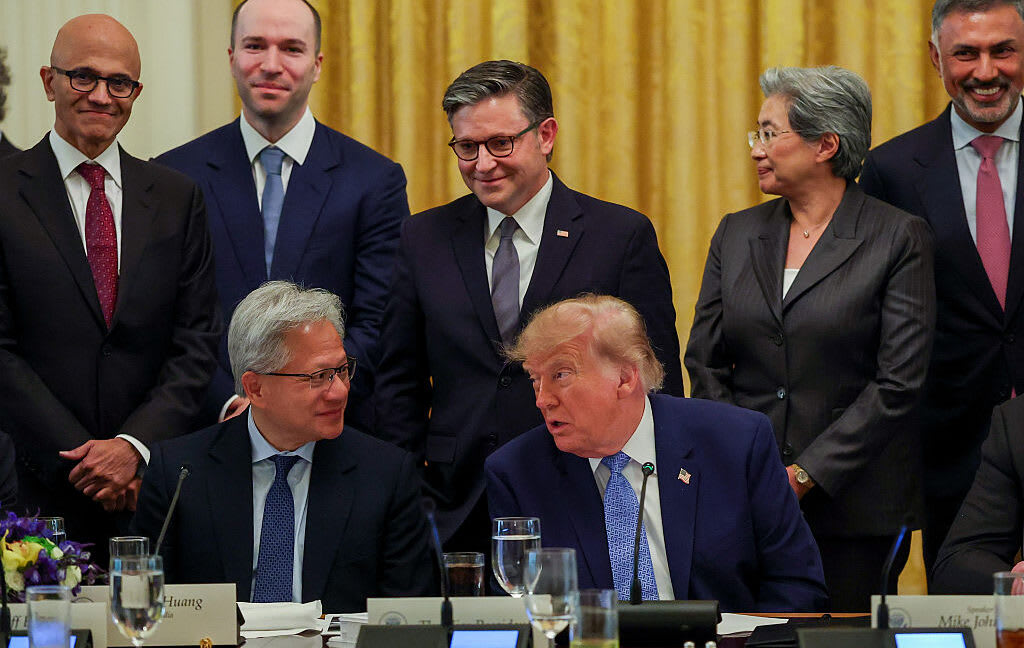
President Trump met with major tech CEOs to establish a voluntary AI safety pact while simultaneously denying reports regarding Iran sanctions. The summit focused on balancing rapid industry expansion with responsible oversight and new government service initiatives.
The White House AI Summit: Balancing Innovation and Oversight
On Tuesday, the White House hosted a high-stakes luncheon featuring President Donald Trump, House Speaker Mike Johnson, and the leaders of the world's most influential technology companies. The gathering served as a critical nexus point for the administration’s domestic policy, as it addressed both the rapid acceleration of artificial intelligence and the launch of new federal service tools like America.gov, intended to streamline citizen access to government resources.
A Collaborative Approach to AI Safety
Central to the summit was the announcement of a voluntary AI safety pact signed by the attending tech executives. Recognizing that calls for regulation have reached a fever pitch, the administration and industry leaders agreed to utilize independent auditors to ensure AI systems function as intended. Furthermore, the companies pledged to implement safeguards preventing AI tools from accessing or hacking technical systems in unintended ways, marking a significant step toward industry-led accountability.
Industry Titans and the Regulatory Landscape
The guest list reflected the immense gravity of the meeting, with industry giants such as SpaceX and Tesla CEO Elon Musk, Nvidia CEO Jensen Huang, Meta’s Mark Zuckerberg, Google’s Sundar Pichai, and Palantir CEO Alex Karp in attendance. Palantir’s Alex Karp emphasized the necessity of shared responsibility, noting that the American public expects tech leaders to adhere to the same standards as the general population, effectively pushing back against the idea of separate regulatory tiers for tech firms.
Strategic Priorities: Data Centers and Infrastructure
Beyond safety protocols, President Trump reiterated his administration’s strong support for the rapid expansion of data centers. This policy stance highlights the administration's commitment to maintaining American dominance in the AI arms race, despite growing concerns regarding the environmental and community footprint of these massive infrastructure projects. The administration is clearly attempting to thread the needle between fostering technological growth and managing the public’s anxiety over safety.
Geopolitical Clarifications Amid Domestic Policy
While the focus remained heavily on technology, the day also saw President Trump addressing foreign policy matters. Amidst the summit, the President explicitly denied recent media reports suggesting that his administration had offered Iran sanctions relief in exchange for nuclear concessions. By clarifying this position, the administration sought to maintain a clear distinction between its aggressive stance on international security and its collaborative efforts with the private sector on emerging technologies.
Conclusion and Future Implications
This high-profile meeting signals a pivot toward a 'cooperative regulation' model for AI, where voluntary agreements with independent oversight become the primary mechanism for safety. As the administration continues to integrate tech leaders into the federal dialogue, the success of these voluntary standards will likely determine whether more stringent legislative mandates become necessary. Moving forward, the balance between supporting the massive energy needs of AI data centers and ensuring the security of national technical systems will remain a defining challenge for the Trump presidency.
Multiple Citing Sources