SpaceX set to launch Google AI chips into orbit in push toward space-based data centers
Source Entity
US Top News and Analysis
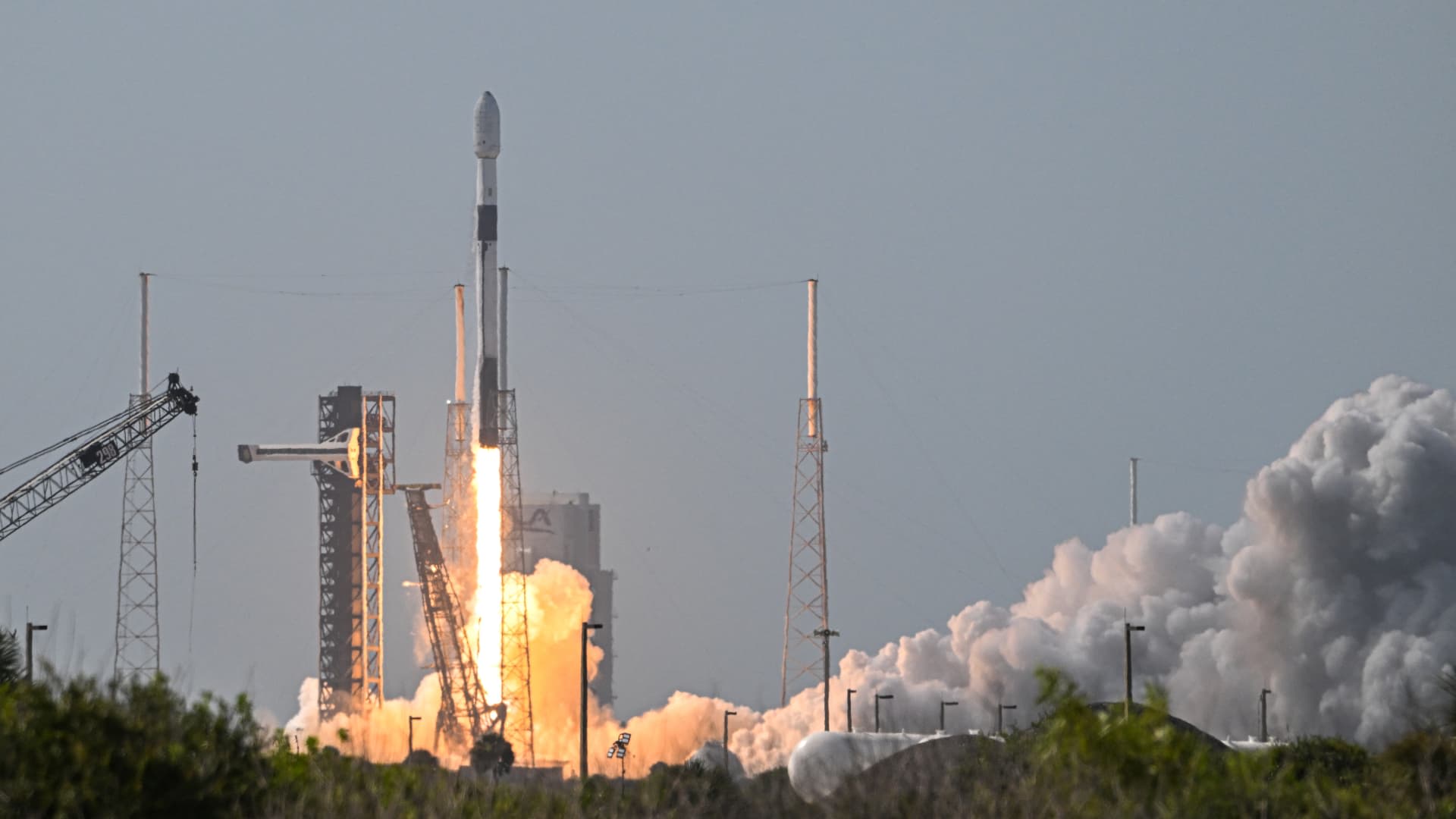
Google and SpaceX are collaborating to test AI-powered data centers in orbit using Tensor Processing Units on Planet Labs satellites. Meanwhile, startup Satlyt has raised $8 million to develop open-source orbital computing software as an alternative to proprietary approaches.
The Dawn of Orbital Computing: Google and SpaceX's Strategic Leap
The aerospace and technology sectors are witnessing a pivotal shift as Google and SpaceX collaborate to test the feasibility of space-based data centers. By launching Google’s proprietary Tensor Processing Units (TPUs) aboard Planet Labs satellites, the partners aim to prove that high-performance AI chips can withstand the harsh conditions of orbit. This initiative, dubbed 'Project Suncatcher,' marks a significant attempt to move beyond terrestrial data center limitations, such as energy constraints and public opposition.
Overcoming Technical Hurdles in Space
Operating a data center in space presents extreme engineering challenges, primarily regarding thermal regulation and power supply. The current mission seeks to maintain a kilowatt of continuous power while cooling the hardware in a vacuum, a critical hurdle for any future large-scale orbital cluster. As noted by Google executive Travis Beals, while ground simulations provide a baseline, the 'real thing'—actual exposure to the radiation and thermal cycles of low Earth orbit—is the only way to validate the longevity and reliability of these advanced AI processors.
SpaceX’s Vision for 'Infinite Real Estate'
SpaceX has positioned itself as the primary enabler of this transition, viewing orbital infrastructure as the next frontier for AI. By utilizing the Falcon 9 launch platform, the company is actively testing the deployment of Mission Robotic Vehicles (MRV) and Mission Extension Pods (MEPs). The long-term goal is to leverage the vast, unpopulated expanse of space to host computing clusters, effectively escaping the regulatory and environmental backlash that data centers frequently face on the ground.
Emerging Competition: The 'Android' of Orbit
While SpaceX pursues a proprietary, 'iPhone-style' vertical integration for space computing, the startup ecosystem is already offering alternatives. Satlyt, founded by former Google and SpaceX engineer Rama Afullo, has secured $8 million in seed funding to develop open-source software for satellite computing. By positioning itself as the 'Android' of orbital hardware, Satlyt aims to allow diverse satellite fleets to share computational workloads, potentially challenging the closed-loop systems favored by larger incumbents.
Scaling the Future: The Road Ahead
Despite the excitement, the path to functional space-based data centers remains daunting. Estimates suggest that achieving the necessary infrastructure density will require a massive increase in launch frequency, with some projections indicating that SpaceX’s Starship may need to fly as many as 1,600 times to establish a true orbital compute cluster. As these initial prototypes return data, the industry will be watching closely to see if the technical and economic barriers can be sufficiently lowered to make space-based AI a permanent fixture of our digital landscape.
Multiple Citing Sources