Samsung raised prices on the Galaxy S26 by $100
Source Entity
Stevie Bonifield
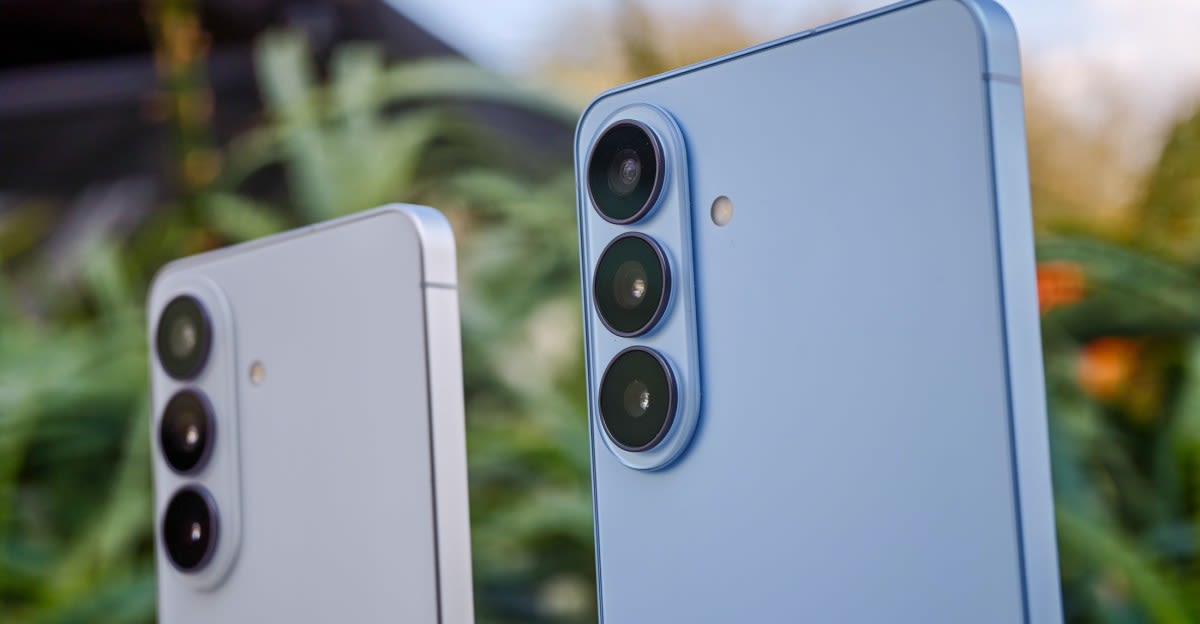
Samsung has increased the price of its Galaxy S26 lineup by $100 to $200 following previous hikes, bringing the base model to nearly $1,000. This trend reflects broader industry shifts as major competitors like Apple and Google also raise prices amid rising component costs.
The Rising Cost of Flagship Innovation: Samsung's S26 Price Adjustment
Samsung has officially adjusted the pricing for its flagship Galaxy S26 series, implementing a $100 increase across most of the lineup, with the high-end 1TB S26 Ultra seeing a significant $200 markup. The base Galaxy S26 with 256GB of storage now retails for approximately $1,000. This latest move follows an initial $100 price increase during the product's launch phase earlier this year, effectively creating a cumulative $200 price delta compared to the previous-generation Galaxy S25.
Understanding the Drivers Behind the Hike
According to reports and statements from the manufacturer, these pricing adjustments are largely attributed to volatile supply chain costs, specifically citing significant RAM price hikes. As smartphones become increasingly sophisticated, the integration of advanced memory modules required to support modern AI features and multitasking demands has placed considerable strain on production budgets. This shift reflects a broader global economic trend where component scarcity and inflation necessitate higher price points for consumer electronics.
Industry-Wide Trends and Competitive Parity
Samsung is not acting in isolation; the move aligns with a wider industry trend where major market players, including Apple and Google, have also increased the cost of their flagship devices this year. By mirroring these adjustments, Samsung maintains competitive parity while attempting to protect profit margins against the rising costs of raw materials and technological components.
The Impact on Consumer Purchasing Power
For the average consumer, the compounding effect of these price hikes—amounting to a $200 difference from the S25 generation—represents a significant barrier to entry for the latest hardware. As flagship devices push toward the $1,000 threshold for entry-level storage configurations, the market may see a shift in consumer behavior, with users potentially holding onto older devices for longer periods or pivoting toward mid-range alternatives.
Future Outlook and Market Implications
Looking ahead, the trajectory of flagship pricing suggests that the era of stagnant device costs may be over. As manufacturers continue to pack expensive, cutting-edge hardware—such as advanced sensors and high-density memory—into their devices, consumers should prepare for higher baseline prices. Whether this strategy will lead to long-term brand loyalty or drive users toward the secondary refurbished market remains a critical question for the industry's future growth strategy.