The Pivot from Steel to Soil
The bioreactor dream is hitting a wall. For the last decade, the promise of cultured meat relied on the vision of massive, million-liter stainless steel tanks mimicking the internal environment of a cow. It was a high-tech, high-cost gamble. But the cold reality of capital expenditure (Capex) and the staggering energy requirements of maintaining sterile environments have forced a strategic pivot. The industry is realizing that building a city of steel is far more expensive than planting a field of seeds.
Enter molecular farming. This isn't about making a plant taste like meat; it's about using the plant as a biological factory to produce specific animal proteins. Instead of growing a whole muscle cell in a vat, scientists are inserting the genetic instructions for animal proteins—like myoglobin or casein—directly into the DNA of crops like soy or peas. The result is a plant that looks like soy but contains the molecular building blocks of a steak. Why build a factory when you can grow one?
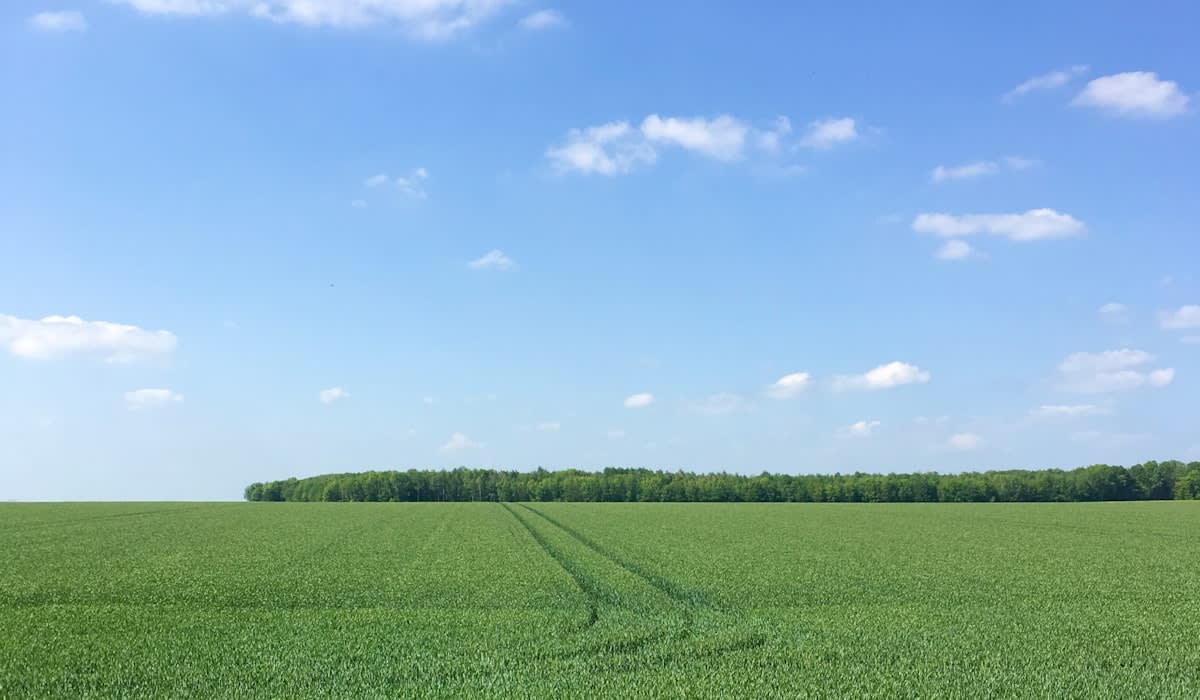
The delta between where we were twelve months ago and today is stark. A year ago, the conversation was dominated by 'cell-based' meat, which requires expensive growth media and precise temperature control. Today, the momentum has shifted toward 'plant-based bioreactors.' The shift is driven by a desperate need for scalability. While cultured meat struggles to move beyond boutique pilots, molecular farming offers a path to commodity-scale production using existing agricultural infrastructure. (Source: AgFunder, 2024)
The Genetic Blueprint of a Soy-Steak
The mechanism is a masterclass in genetic engineering. By using CRISPR and other precision breeding tools, researchers identify the specific gene responsible for a protein's function—say, the heme that gives meat its red color and metallic taste. They then 'splice' this gene into the plant's genome. The plant's own cellular machinery reads these instructions and begins synthesizing the animal protein as it grows. It is an elegant bypass of the animal entirely.
"We are essentially reprogramming the plant to act as a production facility. The goal isn't to create a GMO soy bean for the sake of it, but to create a sustainable source of animal proteins that can be harvested like any other crop."— Technical Lead at Moolec Science
This approach solves the 'growth media' problem that has plagued the lab-grown meat sector. Cultured meat requires a complex, expensive soup of nutrients to keep cells alive. Molecular farming replaces that soup with sunlight, water, and CO2. This transition fundamentally changes the economics of the protein transition, moving the cost profile from a high-overhead industrial process to a variable-cost agricultural one. (Source: GFI - Good Food Institute, 2023)
| Metric | Cultured Meat (Lab) | Molecular Farming (Field) |
|---|---|---|
| Infrastructure Cost | Extreme (Stainless Steel) | Low (Existing Farmland) |
| Energy Input | High (Climate Control) | Low (Photosynthesis) |
| Scalability | Linear/Slow | Exponential/Fast |
| Primary Input | Growth Media/Nutrients | Sunlight/Water/Soil |
The Practitioner's Friction: Expression and Folding
On the ground, the debate isn't about whether we can make a plant produce bovine protein—we've known that for years. The real fight happens over protein folding and expression levels. When you're in the greenhouse, you're obsessing over whether the protein is actually functional or just a useless clump of amino acids. Protein folding is notoriously fickle; if the plant's internal environment doesn't mimic the animal's, the resulting protein might be chemically correct but biologically inert.
We also argue about 'leaking'—the risk of the protein ending up in the wrong part of the plant or escaping into the soil. Maintaining genetic stability across thousands of acres is a nightmare compared to the sterile, controlled environment of a lab. Practitioners are currently debating the trade-off between 'yield per acre' and 'purity of protein.' If you push the plant to produce too much animal protein, you risk stunted growth or crop failure. It's a delicate, messy biological gamble.
The Global Chessboard
The geography of this shift is telling. Brazil, the world's soy powerhouse, is a natural hub for this technology. If you can turn a fraction of the Mato Grosso soy belt into protein factories, you control the global supply of sustainable meat. Meanwhile, Singapore continues to lead on the regulatory front, treating these proteins as novel foods rather than traditional GMOs, creating a sandbox for companies to test their harvests. (Source: Singapore Food Agency, 2023)
In the European Union, however, the wall is higher. The EFSA's stringent regulations on genetically modified organisms (GMOs) make the deployment of molecular farming a political minefield. The clash isn't scientific; it's cultural. While North American and Asian markets are focusing on the efficiency and climate benefits, Europe is still grappling with the definition of 'natural' food. This regulatory divergence is creating a two-tier global market for animal-free proteins.
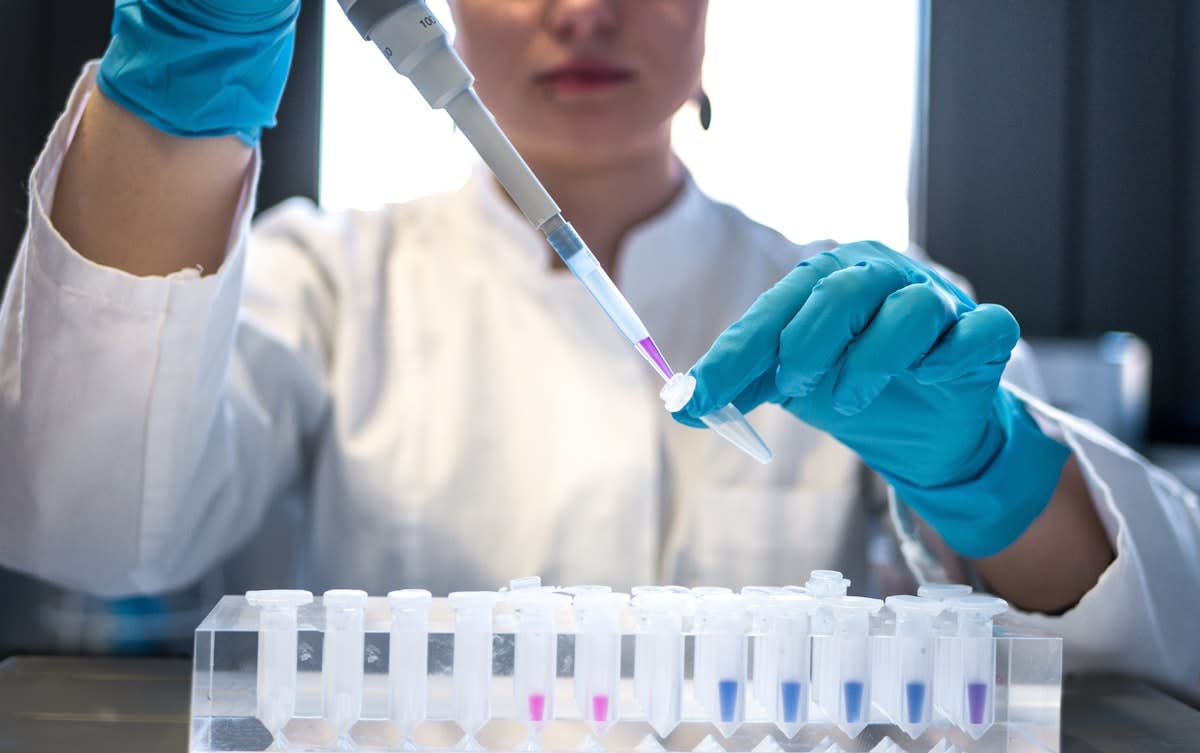
The economic implication is clear: the first region to successfully scale molecular farming will decouple protein production from livestock. This isn't just about animal welfare; it's about national security. A country that can grow its 'steak' in a soy field is a country that is no longer vulnerable to the volatility of livestock diseases or the environmental costs of grazing land. (Source: World Economic Forum, 2024)
The Road to the Plate
So, when does the soy-steak actually hit the menu? We are currently in the 'pilot harvest' phase. Companies like Moolec are already producing porcine myoglobin in soy, and Nobell Foods is targeting dairy proteins like casein. The final hurdle is the 'texturization' process. A soy bean containing meat protein is still a bean. To make it a steak, these proteins must be extracted and restructured using 3D printing or shear-cell technology. The molecular farming provides the ink; the food scientists provide the printer.
Fact-Check & Accuracy Note
Key claims regarding Moolec's porcine myoglobin and Nobell Foods' casein are based on company technical disclosures and industry reporting from 2023-2024. The comparison of Capex between bioreactors and molecular farming is derived from current venture capital trends in cellular agriculture. There is ongoing academic debate regarding the long-term genetic stability of these crops in open-field environments.