LG or Samsung? The Amazon sale guide to picking the right refrigerator for your kitchen
Source Entity
Latest News: Todays Latest News Headlines from India & World | Hindustan Times | Hindustan Times
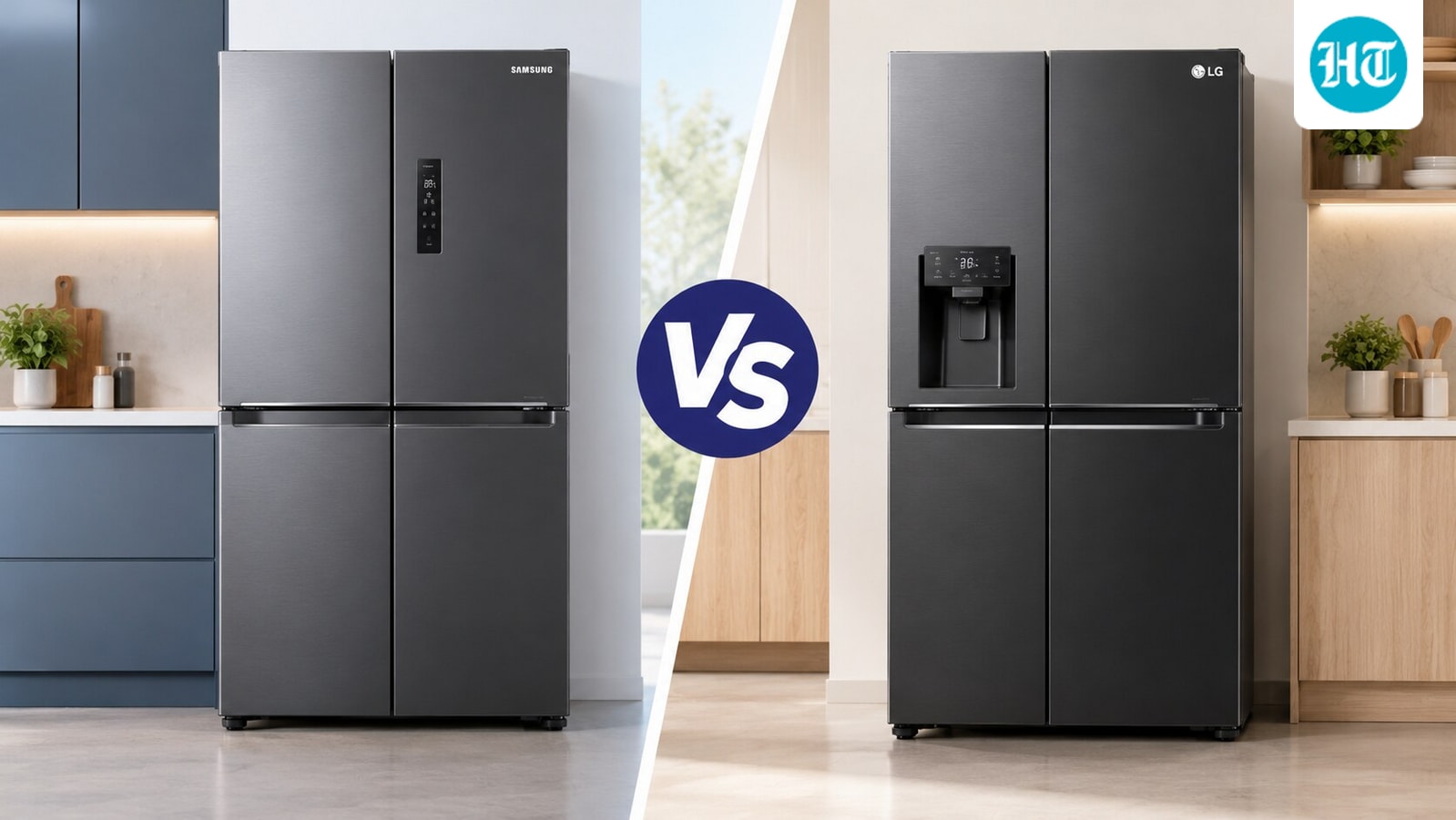
This guide compares LG and Samsung refrigerators, highlighting LG's focus on inverter compressor efficiency and Samsung's emphasis on smart features and convertible storage. It serves as a consumer resource for navigating appliance sales in the Indian market.
Choosing Between Appliance Giants: LG vs. Samsung
In the competitive landscape of the Indian home appliance market, LG and Samsung remain the two dominant forces. As consumers navigate major e-commerce sales, the decision between these two brands often comes down to a fundamental divergence in engineering philosophy and user experience priorities. Understanding these core differences is essential for making an informed investment in a long-term kitchen asset.
LG: Efficiency and Cooling Reliability
LG has carved out a significant market share by prioritizing the mechanical core of the refrigerator: the compressor. Their focus on inverter compressor technology is designed to optimize energy consumption while maintaining consistent cooling performance. For the average Indian household, where power stability and electricity costs are primary concerns, LG’s emphasis on cooling convenience and organized storage systems provides a practical, reliability-focused value proposition.
Samsung: Innovation and Lifestyle Flexibility
Conversely, Samsung positions itself as the brand for the modern, tech-forward kitchen. Their product strategy centers on aesthetic design, smart control integration, and, most notably, convertible storage options. This flexibility allows users to adapt their refrigerator’s internal layout and cooling zones based on seasonal needs, appealing to consumers who view appliances as an extension of their smart home ecosystem rather than just a storage unit.
Market Dynamics and Consumer Trends
The evolution of these two brands mirrors the broader expansion of India’s digital and consumer tech ecosystem. As noted by industry experts, the shift toward feature-rich, connected appliances has become a defining trend. Consumers are no longer just looking for basic preservation; they are seeking appliances that integrate into their digital lives, whether through smart controls or modular storage configurations that accommodate changing dietary habits.
Strategic Buying in the Digital Age
Navigating an Amazon sale requires more than just comparing price tags. It requires an evaluation of which brand’s specific strengths—LG’s focus on compressor efficiency versus Samsung’s focus on smart, convertible designs—best align with the user’s daily routine. As e-commerce continues to dominate the retail landscape in India, authoritative guides are becoming crucial for consumers to filter through the noise of high-volume marketing campaigns.
Conclusion: Aligning Features with Needs
Ultimately, the choice between LG and Samsung depends on the priority placed on operational efficiency versus lifestyle functionality. By analyzing the core pillars of each brand—LG's mechanical reliability and Samsung's design-led innovation—consumers can make a choice that enhances their kitchen efficiency. Whether opting for the inverter-driven stability of LG or the smart-convertible versatility of Samsung, understanding these fundamental brand identities is the first step toward a smarter kitchen purchase.
Verification Required?