NASA issues long-awaited call to industry for private space stations
Source Entity
Eric Berger
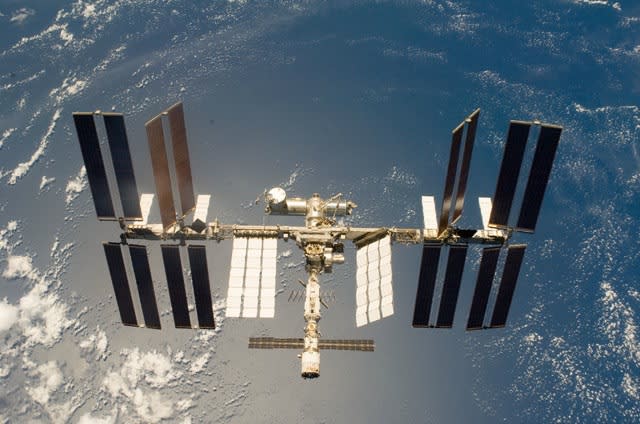
NASA has officially invited the private sector to submit proposals for developing commercial space stations to replace the International Space Station by 2030. This initiative aims to maintain a continuous American human presence in low-Earth orbit for ongoing scientific exploration.
The Dawn of Commercial Space Stations
NASA has officially signaled a transformative shift in orbital operations by releasing a comprehensive 360-page Request for Proposals (RFP) to the United States commercial space industry. This move marks the beginning of the end for the International Space Station (ISS), as the agency seeks to transition its low-Earth orbit (LEO) presence to private platforms by 2030. By actively engaging the private sector, NASA is effectively outsourcing the infrastructure of space habitation while maintaining its role as an anchor tenant and strategic overseer.
Ensuring Sustained Human Presence
Central to this initiative is the agency's stated commitment that "NASA will never give up its presence in low Earth orbit." The transition is not a withdrawal from space, but rather a strategic pivot to sustain research capabilities. The RFP outlines specific technical requirements that have been long awaited by aerospace firms, providing the necessary clarity for companies to finalize their station designs. This ensures that when the ISS is eventually decommissioned, there will be no gap in the ability of astronauts to conduct critical scientific experiments.
Industry Readiness and Competitive Bidding
For years, private aerospace companies have invested heavily in the conceptualization and preliminary development of modular space stations. With the release of this solicitation, these firms now have a definitive framework for what NASA expects in terms of life support, docking capabilities, and research utility. The deadline for these proposals is set for December 8, a tight turnaround that suggests NASA is eager to accelerate the selection process, with plans to choose at least two or more partners to ensure redundancy and competition.
The Economic Implications for New Space
This transition represents the maturation of the 'New Space' economy, where private entities move from being mere transport providers to becoming owners and operators of space infrastructure. By fostering a commercial market, NASA hopes to lower the costs of LEO activities through competition, potentially opening the door for non-governmental research and space tourism. This model mirrors the successful transition of cargo and crew transport to private partners like SpaceX and Boeing, now applied to the stations themselves.
Challenges and Future Trajectory
While the goal is to have private stations operational by 2030, the technical and financial hurdles remain significant. Building a habitable environment that can withstand the harsh conditions of space requires rigorous safety standards and complex engineering. NASA’s selection process will likely favor companies that demonstrate not only technical prowess but also the ability to secure additional revenue streams beyond NASA contracts, as the long-term viability of these stations will depend on a diverse customer base.
Conclusion
NASA's request for private space station proposals is a watershed moment for space exploration. By bridging the gap between government-led exploration and private enterprise, the agency is ensuring that humanity’s foothold in orbit remains secure. As the industry prepares to submit its bids, the focus shifts toward which designs will best support the next decade of scientific discovery and human endeavor in the vacuum of space.