Privacy watchdog launches investigation into China-based company behind Kmart ‘pervert glasses’ app
Source Entity
Josh Taylor Technology reporter
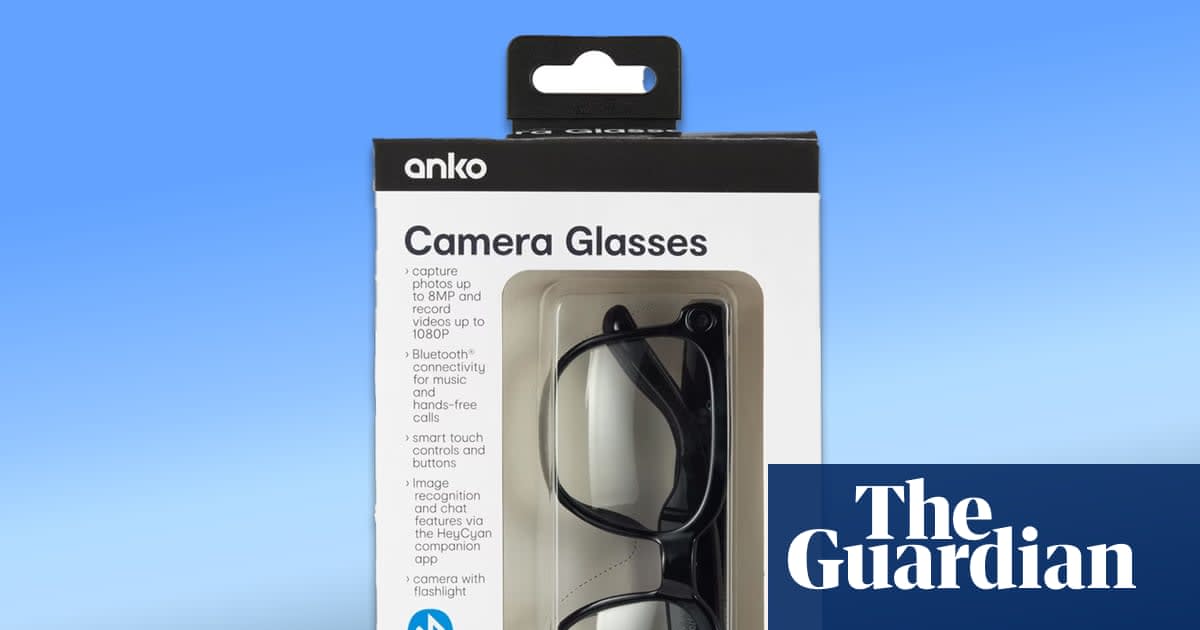
Australia's privacy regulator is investigating the developers of the HeyCyan app used in Kmart's controversial smartglasses. The product has been pulled from sale following public backlash and widespread safety concerns.
Regulatory Scrutiny Over 'Pervert Glasses'
The Australian privacy regulator has officially launched an investigation into the China-based software developer behind the HeyCyan application, which powers the $89 Anko-branded smartglasses sold by Kmart. This move comes in response to mounting public anxiety regarding the covert recording capabilities of the devices, which have been colloquially dubbed 'pervert glasses' by critics. The investigation seeks to determine whether the software and its data handling practices align with Australian privacy standards, given the potential for these devices to capture high-definition video and images without the explicit consent of bystanders.
The Catalyst for Controversy
The controversy reached a fever pitch in August after reports highlighted that Kmart had successfully sold out of these budget-friendly alternatives to Meta’s smartglasses. While the product was marketed as an affordable piece of consumer technology, its ability to record video surreptitiously sparked an immediate outcry. The concerns are not merely theoretical; the ubiquity of such low-cost recording devices poses significant challenges to individual privacy rights in public spaces, prompting a swift reaction from both the public and advocacy groups.
Public Backlash and Retailer Response
Public sentiment has been overwhelmingly negative, evidenced by a GetUp petition that garnered over 55,000 signatures. The petition urges policymakers to impose strict restrictions on the use of these glasses, highlighting fears that they could be used to facilitate non-consensual filming. In direct response to the escalating pressure, Kmart has taken the decisive step of removing the product from its website. This retreat underscores the growing retail responsibility to vet the privacy implications of the consumer electronics they stock.
Broader Implications for Public Spaces
Beyond the retail sector, local government bodies across Australia have begun considering proactive measures to mitigate the risks posed by these devices. Several councils are actively exploring the possibility of banning the use of these smartglasses in sensitive public areas, such as swimming pools and changing rooms. This trend reflects a broader societal struggle to balance technological innovation with the fundamental right to privacy in communal environments where individuals have a reasonable expectation of not being recorded.
Future Trends and Regulatory Outlook
The investigation into the HeyCyan app developer is likely to serve as a bellwether for future regulatory approaches toward wearable recording technology. As such devices become cheaper and more accessible, regulators will face increasing pressure to establish clear guidelines on consent and data storage. The outcome of this inquiry will likely influence how similar products are vetted before entering the Australian market, setting a precedent for 'privacy-by-design' requirements in the burgeoning smart-wearable industry.