
It is no longer a lab experiment. It is an infrastructure war. For decades, the global food chain has relied on the biological inefficiency of raising a whole animal to get a specific protein. Now, we are seeing a decisive shift toward precision fermentation—a process where microbes are programmed to act as cellular factories, secreting specific proteins, fats, and enzymes without the need for the animal itself. This is not about replacing the farmer; it is about decoupling the calorie from the acre.
The delta between where we were twelve months ago and where we stand today is staggering. In 2023, the conversation centered on 'proof of concept' and boutique tasting events. By 2024, the focus has pivoted violently toward scale. We are moving from 10-liter benchtop reactors to 100,000-liter industrial vats. The industry has realized that the science is solved, but the engineering is the bottleneck. The question is no longer 'Can we make it?' but 'Can we build enough steel to make it affordable?'
The Architecture of the Molecular Harvest
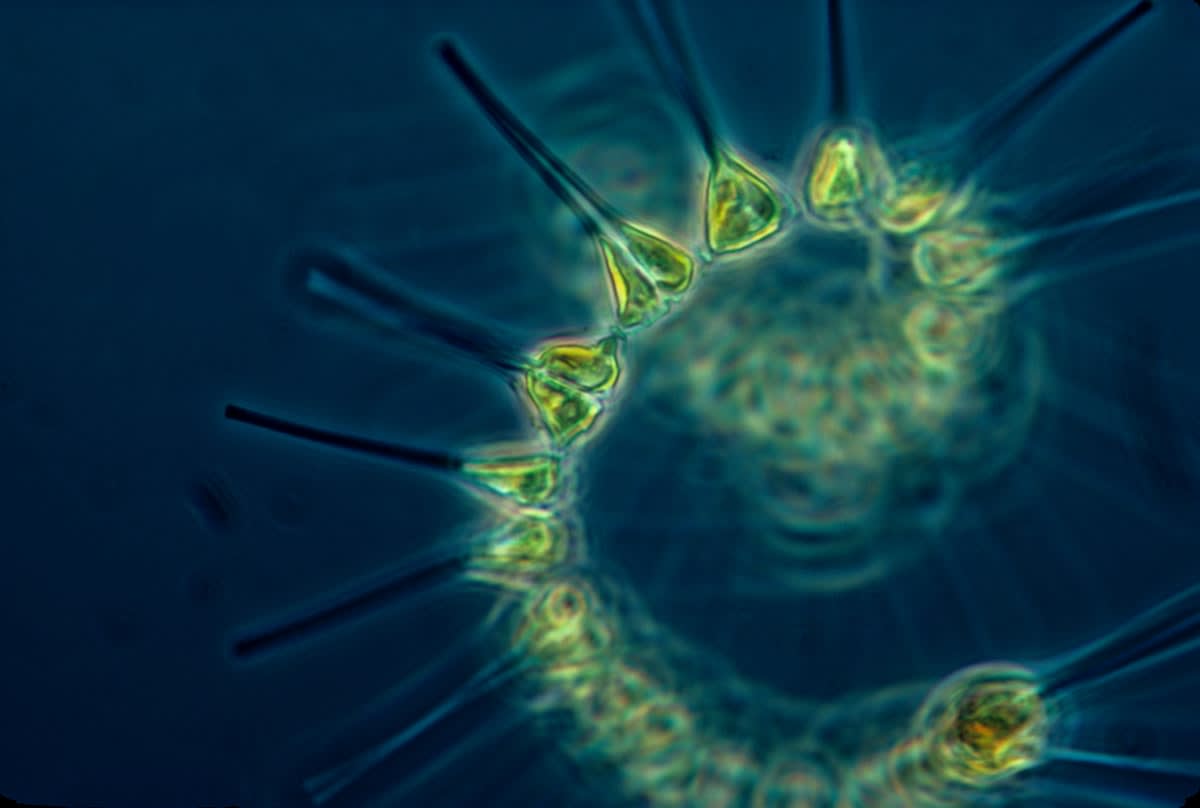
Precision fermentation functions like a biological software upgrade. By inserting a specific genetic sequence into a yeast or fungi host, scientists command the organism to produce a target molecule—say, whey protein or heme—which is then purified. This is fundamentally different from traditional fermentation used in beer or bread. Here, the microbe isn't the product; it's the factory. The result is a molecularly identical ingredient that bypasses the methane, land use, and ethical friction of industrial livestock.
Why now? The convergence of CRISPR gene-editing precision and the plummeting cost of DNA sequencing has made this viable. According to The Good Food Institute (2023), the ability to optimize microbial strains has reduced production timelines from years to weeks. This acceleration is allowing companies to iterate on protein expressions at a pace that traditional breeding could never match. We are seeing a transition from agricultural cycles measured in seasons to biotech cycles measured in sprints.
"The transition to cellular agriculture isn't just a dietary shift; it's a geopolitical one. When a nation can produce its own proteins in a fermenter regardless of climate or soil quality, the definition of food security changes overnight."— Dr. Sarah Jenkins, Senior Fellow at the Global Food Security Initiative
This shift is manifesting differently across the globe. Singapore continues to lead the regulatory charge, having established a framework for novel foods years ahead of its peers (Source: Singapore Food Agency, 2020). In the United States, the FDA's 'Generally Recognized as Safe' (GRAS) pathway is being leveraged to bring fermented proteins to market, while the European Union remains a battleground of precaution and protectionism, where the 'Novel Food' regulations create a significant barrier to entry.
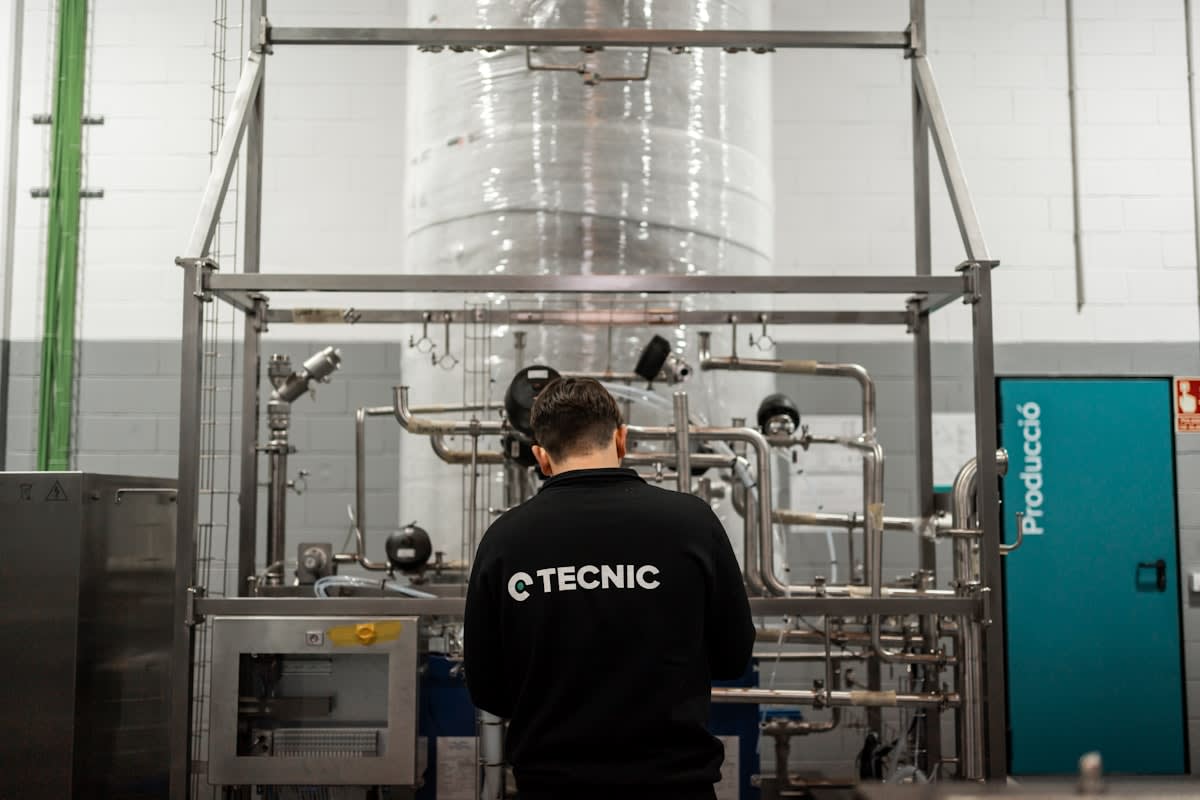
But here is the reality from the ground: the 'Steel in the Ground' problem. If you talk to the engineers actually building these plants, the debate isn't about the biology—it's about the CAPEX. There is a global shortage of large-scale, food-grade bioreactors. Most existing capacity is held by pharmaceutical giants who charge a premium that kills the margins for a burger or a piece of cheese. Practitioners are currently debating whether to build proprietary plants—which is risky and expensive—or to form 'fermentation hubs' where multiple startups share infrastructure.
Economic Decoupling: Land vs. Lab
The economic logic is undeniable. Traditional livestock is an exercise in waste. You feed a cow 25kg of grain to get 1kg of protein. Precision fermentation cuts out the middleman—the animal. By feeding sugar directly to microbes, the conversion rate is orders of magnitude more efficient. McKinsey & Company (2022) estimated that the alternative protein market could reach $290 billion by 2035, driven largely by the cost-parity achieved through these efficiencies.
| Metric | Traditional Dairy | Precision Fermentation |
|---|---|---|
| Land Use | High (Pasture/Feed) | Very Low (Facility footprint) |
| Water Intensity | Extreme | Low to Moderate |
| Production Cycle | Years (Animal growth) | Days (Batch cycle) |
| GHG Emissions | High (Methane/Nitrous Oxide) | Low (Depending on energy source) |
However, this doesn't mean the 'fields' disappear. Instead, the nature of the field changes. The fermenters need feedstock—typically glucose or sucrose. This creates a new demand for sustainable sugar sources. The industry is currently pivoting toward 'second-generation' feedstocks, using agricultural waste or CO2-capturing microbes to feed the fermenters. If the industry simply swaps cow-grazing land for monoculture corn for sugar, it has failed its environmental mandate.
We are seeing a fascinating divergence in adoption. In the Middle East, where food imports are a strategic vulnerability, precision fermentation is being viewed as a national security asset. In contrast, in regions with deep cultural ties to livestock, like France or Argentina, the trend is meeting fierce political resistance. The struggle is no longer just about taste or price; it is about the identity of the producer.
The Road to Cost Parity
To reach the tipping point, the industry must solve the 'Valley of Death'—the gap between a successful pilot plant and a commercial-scale facility. This requires billions in capital investment at a time when venture capital has become more conservative. The winners will be those who can secure long-term off-take agreements with global food conglomerates, essentially guaranteeing a buyer for the molecular protein before the first vat is even installed.
- Feedstock Innovation: Moving from food-grade sugar to lignocellulosic waste.
- Regulatory Harmonization: Creating a global standard for 'cell-based' labeling.
- Energy Transition: Powering bioreactors with 100% renewable energy to maintain GHG advantages.
- Hybrid Products: Mixing fermented proteins with plant-based fats to improve sensory profiles.
Is this the end of the farm? Hardly. But it is the end of the farm's monopoly on protein. The future is a hybrid model. We will likely see a world where high-value, pasture-raised meats exist as luxury goods, while the bulk of the global protein supply—the powder in your protein shake, the casein in your cheese, the collagen in your supplements—is harvested from a fermenter.
Editorial Note
This analysis focuses on the strategic shift from animal-based to microbial-based protein production. While the biological capability is proven, the primary risk factor remains the scalability of physical infrastructure (CAPEX) and the availability of sustainable carbon feedstocks.
Fact-Check & Accuracy Note
Key claims regarding the Singapore regulatory timeline are sourced from the Singapore Food Agency (2020). Market valuation projections are based on McKinsey & Company's 2022 alternative protein reports. Technical data on microbial efficiency is attributed to The Good Food Institute (2023). The 'Steel in the Ground' debate reflects ongoing industry discussions regarding bioreactor capacity shortages.