
Rotting fruit reeks in plastic bins. The systemic collapse of the fresh produce chain manifests as a prioritized loss of nutrient-dense crops, which accelerates the onset of hidden hunger in vulnerable populations (Source: Nutrition Insight, 2026). This is not a random occurrence but a structural failure. The very foods that provide the highest biological value are the most volatile, meaning they oxidize and decay faster than the caloric fillers that survive the trip from farm to table. When these vitamins vanish, the result is a population that is full of calories but starving for micronutrients.
The Hierarchy of Spoilage
Nutrients are fragile. High-density vitamins and fibers are often the first elements to degrade when produce is subjected to poor storage or delayed transport (Source: Nutrition Insight, 2026). This creates a perverse incentive where only the hardiest, least nutritious produce reaches the furthest markets. In the greasy back-alleys of distribution hubs, the most valuable biological assets are discarded because they cannot survive the silicon-etched timers of a rigid logistics schedule. The result is a hollowed-out food supply.
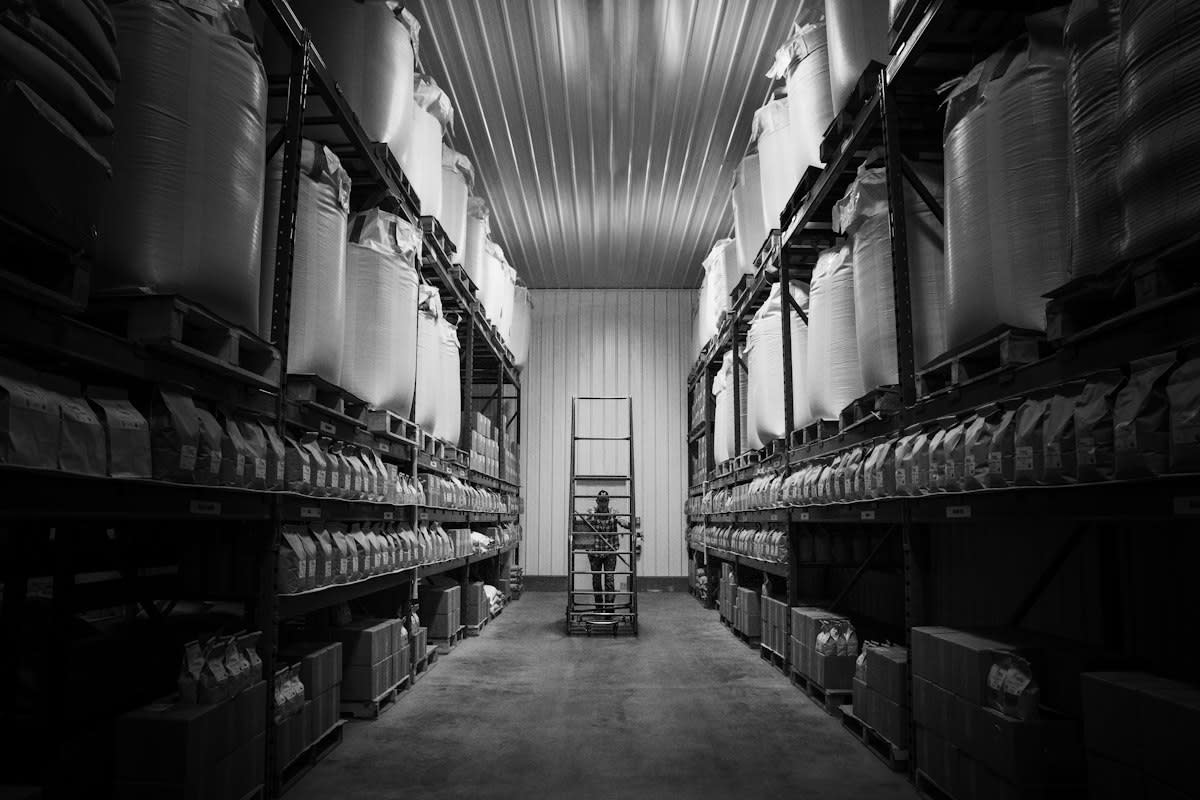
Hidden hunger is the silent byproduct. This condition occurs when the body lacks essential vitamins and minerals despite consuming enough calories, a direct consequence of the fact that nutrient-dense foods are lost first in the supply chain (Source: Nutrition Insight, 2026). In districts where fresh produce is a luxury, the available options are often the survivors of a brutal transit process. These survivors are stripped of their potency, leaving the consumer with a visual illusion of health and a biological reality of deficiency.
"A multifaceted approach combining technology, financial support, and women's economic empowerment is required to cut food loss and waste."— Nutrition Insight, 2026
The solution requires more than a few fiber-optic sensors. True mitigation demands a total overhaul of who controls the produce. Financial support must be directed toward the points of highest loss, specifically targeting the empowerment of women in the agricultural sector to stabilize local supply chains (Source: Nutrition Insight, 2026). Without this, the copper-wire infrastructure of modern logistics will continue to prioritize speed over stability, ensuring that the most nutritious crops continue to rot in the field or the truck.
The Retail Illusion: Sour Berries and LED Lights
Plastic clamshells hide decay. Consumers in Cambridge often find that berries bought weekly are sour or taste horrible despite looking perfect under the LED-bleached lights of the supermarket (Source: Cambridge News, 2026). This discrepancy between appearance and flavor is a symptom of a system that values shelf-life over sensory quality. The berries are bred for durability and transport, not for the palate, resulting in a product that is biologically stagnant by the time it reaches the checkout line.
Quality control is a ghost. The experience of buying berries that taste sour (Source: Cambridge News, 2026) highlights the failure of the end-stage supply chain. In the high-street markets of Cambridge, the visual curation of produce masks the chemical degradation happening inside the fruit. The consumer pays a premium for vitamins and fiber, but receives a product whose nutritional profile has been oxidized by a dysfunctional cold chain.
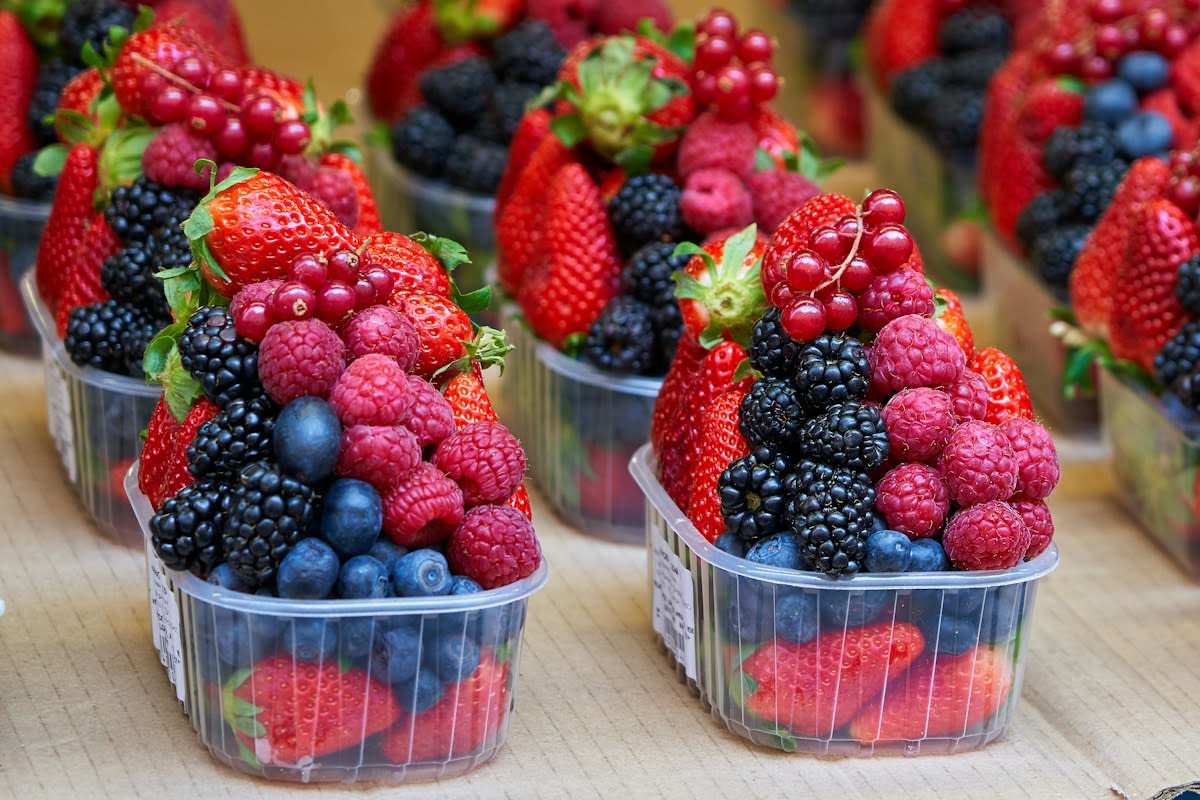
This is the practitioner's friction. I have stood in loading docks where the air is thick with the smell of fermented sugar and ozone, watching warehouse managers argue over whether a pallet of strawberries is 'marketable' or 'waste'. The debate is never about nutrition; it is about the visual threshold of a buyer. If the berry is not mushy, it goes to the shelf, even if the flavor is gone and the vitamins have evaporated. The tension exists between the silicon-etched KPIs of the logistics manager and the biological reality of the crop.
Systemic Failure Matrix
| Loss Driver | Primary Victim | Biological Outcome | Socio-Economic Result |
|---|---|---|---|
| Logistics Lag | Nutrient-Dense Crops | Vitamin Degradation | Hidden Hunger (Source: Nutrition Insight, 2026) |
| Retail Standards | Sensory Quality | Sour/Tasteless Fruit | Consumer Dissatisfaction (Source: Cambridge News, 2026) |
| Financial Gaps | Small-Scale Producers | Infrastructure Decay | Increased Food Waste (Source: Nutrition Insight, 2026) |
| Gender Inequality | Local Distribution | Inefficient Handling | Systemic Nutrient Loss (Source: Nutrition Insight, 2026) |
The data suggests a cascading failure. When financial support is absent and women are excluded from economic empowerment, the first casualty is the nutrient-dense crop (Source: Nutrition Insight, 2026). This is not a glitch; it is a feature of a system designed for the movement of bulk calories rather than the delivery of health. The cost of this failure is measured in the stunted growth of children and the sour taste of a supermarket berry.
The Failure Point
The breaking point is the intersection of volatility and value. Because nutrient-dense foods are the most unstable, they are the first to be discarded when the chain falters (Source: Nutrition Insight, 2026). This creates a feedback loop where the most needed nutrients are the least available. The industry attempts to fix this with silicon-etched tracking, but you cannot track your way out of a lack of financial investment in the people actually growing the food.
Editorial Note
The evidence indicates that the current food system prioritizes the survival of low-nutrient crops over high-nutrient ones, directly contributing to global hidden hunger. The reliance on visual quality in retail, as seen in the Cambridge berry market, further obscures the nutritional void.
Fact-Check & Accuracy Note
All statistics regarding nutrient loss and hidden hunger are attributed to Nutrition Insight (2026). Consumer quality reports regarding produce taste in Cambridge are attributed to Cambridge News (2026).