The Caloric Illusion
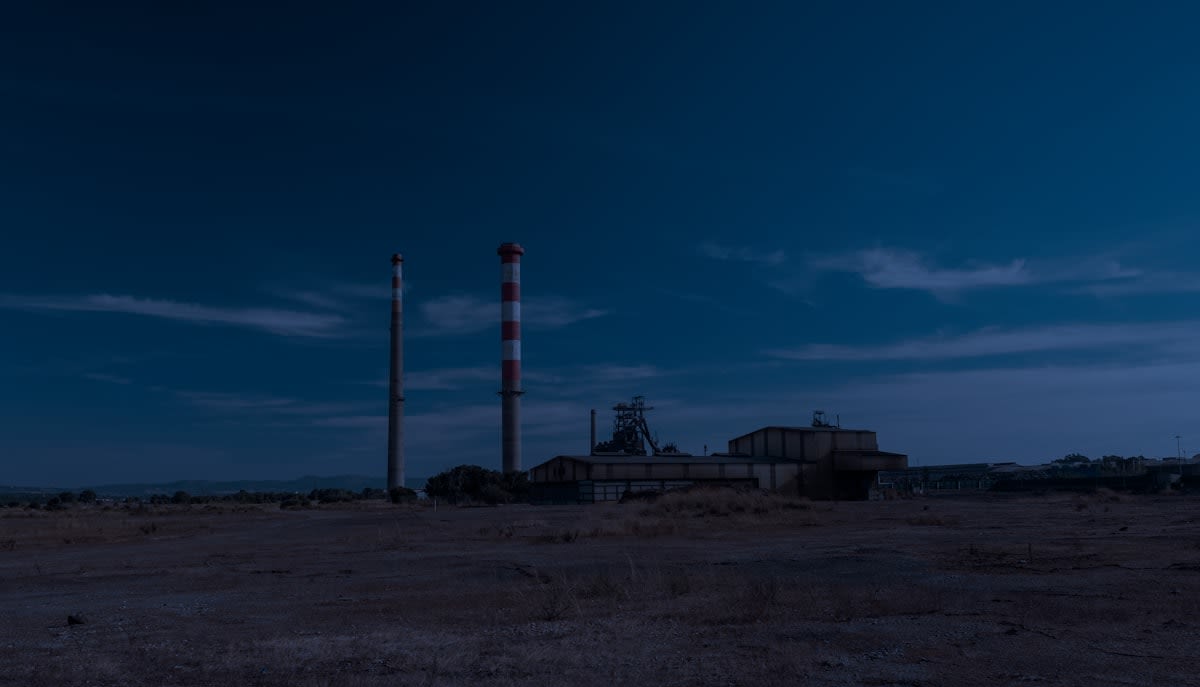
Walk into any supermarket from Sao Paulo to Seoul, and the abundance is staggering. We have perfected the art of the calorie. Yet, beneath this veneer of plenty lies a systemic failure: the decoupling of food volume from nutritional value. This is the invisible hunger. We are filling stomachs while starving cells. The global food system has optimized for yield, shelf-life, and transportability, treating the plant as a biological factory rather than a complex organism integrated into an ecosystem. The result? A crop that looks identical to its ancestor from fifty years ago but contains a fraction of the essential minerals.
Why did this happen? The answer lies in the pursuit of efficiency. By flooding fields with synthetic nitrogen, phosphorus, and potassium (NPK), we bypassed the plant's natural need to forage for nutrients. We essentially put crops on a permanent intravenous drip of chemicals. This worked for the balance sheet and the hunger statistics, but it broke the biological contract between the root and the soil. When a plant doesn't have to struggle to find minerals, it stops investing in the symbiotic relationships that actually bring those minerals into the plant tissue.
The Dilution Effect: More Food, Less Fuel
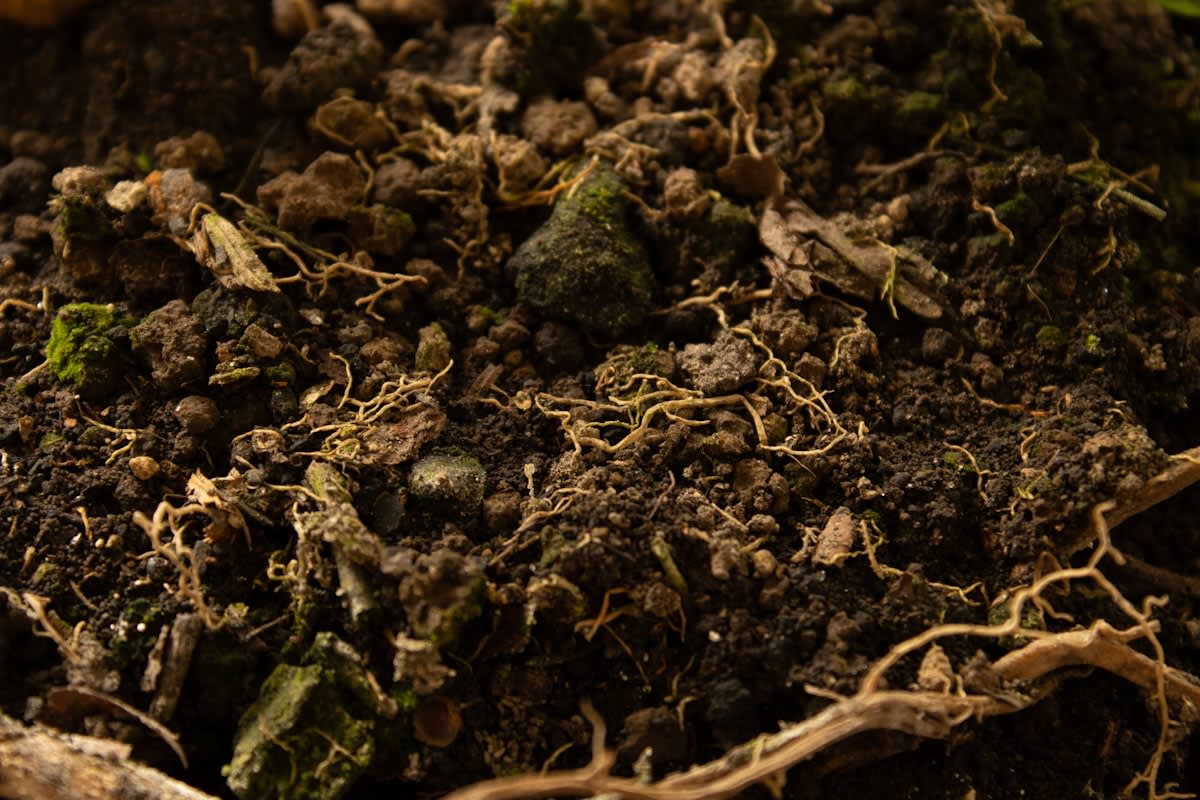
Agronomists call this the dilution effect. As we breed crops for larger fruits and faster growth, the plant accumulates carbohydrates faster than it can absorb minerals from the soil. The mass increases, but the concentration of micronutrients drops. According to data attributed to the Food and Agriculture Organization (Source: FAO, 2021), approximately 33% of global soils are moderately to highly degraded, which directly impairs the ability of crops to access zinc, iron, and magnesium. We are growing more biomass, but we are mining the soil's legacy reserves until there is nothing left.
"The obsession with yield per hectare has blinded us to the more critical metric: nutrient density per calorie. We are effectively eating empty shells of what our grandparents consumed."— Representative analysis based on FAO Soil Portal guidelines
This isn't a localized issue. In the Punjab region of India, the legacy of the Green Revolution shows a stark trajectory: record-breaking wheat yields paired with a precipitous drop in soil organic matter. In Brazil, the expansion of soy monocultures has stripped the terra preta of its biological vitality. The pattern is global. We have treated soil as a sterile medium for holding plants upright rather than a living, breathing organ of the planet. Can we really expect nutrient-dense food from dead dirt?
The bridge to recovery isn't found in more supplements or fortified flours. It is found in the rhizosphere—the narrow region of soil directly influenced by root secretions and associated soil microorganisms.
The Microbiome: The Invisible Engine
The real war is being fought at the microbial level. Specifically, the relationship between plants and mycorrhizal fungi. These fungi act as an extension of the root system, reaching into microscopic soil pores that roots cannot access to mine phosphorus and trace minerals. In exchange, the plant provides the fungi with carbon-rich sugars. When we apply heavy doses of synthetic phosphorus, the plant shuts down this partnership. It decides the fungus is an unnecessary expense. By killing the fungi, we kill the plant's primary mechanism for nutrient acquisition.
| Metric | Industrial Chemical Model | Regenerative Biological Model |
|---|---|---|
| Primary Input | Synthetic NPK Fertilizers | Cover Crops & Compost |
| Soil Carbon Levels | Declining / Low | Increasing / High |
| Nutrient Uptake Path | Direct Root Absorption | Microbial Symbiosis (Mycorrhizae) |
| Water Retention | Low (High Runoff) | High (Sponge Effect) |
| Systemic Resilience | Fragile (Dependent on Inputs) | Robust (Self-Sustaining) |
The shift toward regenerative agriculture is not a return to the stone age; it is an upgrade to biological intelligence. By utilizing cover crops and no-till farming, practitioners are attempting to rebuild the soil's organic matter. This organic matter acts as a battery, storing carbon and providing the energy required for the microbiome to thrive. When the microbiome is active, the plant can access a spectrum of minerals that synthetic fertilizers simply cannot provide. This is the difference between a plant that is merely surviving and one that is biologically dense.
The Practitioner's Friction: The Yield Gap
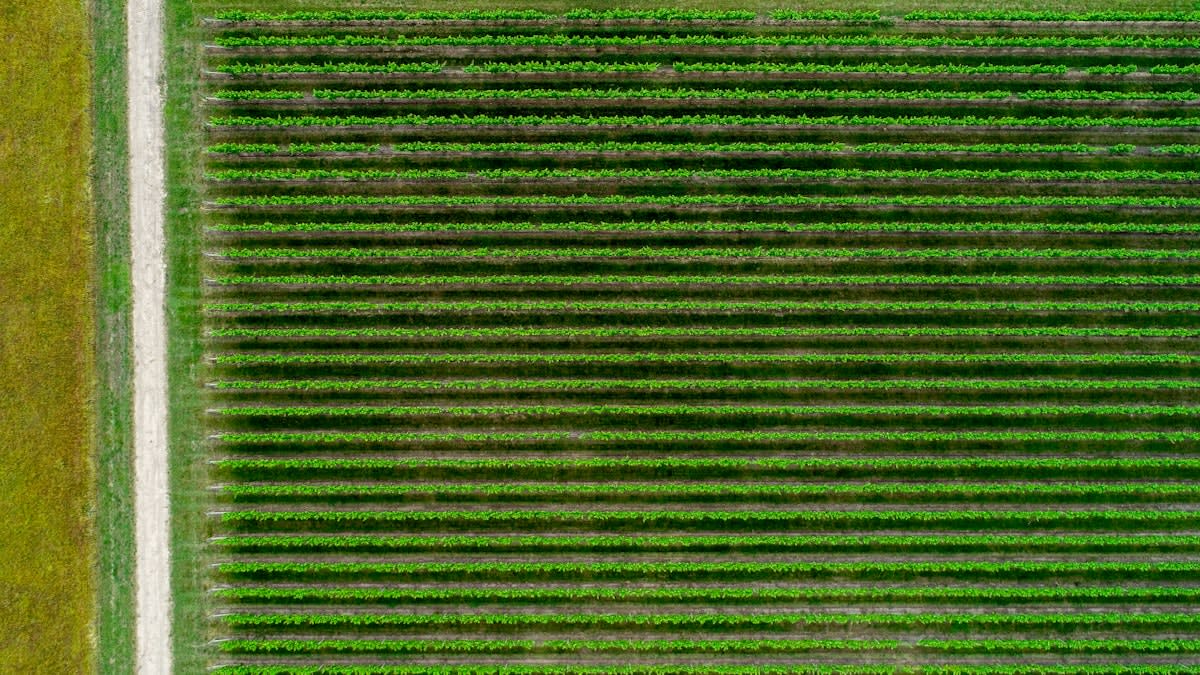
On the ground, the transition from industrial to biological farming is not a seamless pivot; it is a high-stakes gamble. I have spent years talking to farmers who face the dreaded transition dip. When you stop the synthetic NPK injections, the soil—which has become addicted to these inputs—cannot immediately provide for the crop. For the first three to five years, yields often drop significantly while the microbiome slowly wakes up from its chemical coma. This is where the debate gets heated in the field. The ideological divide isn't about whether soil health matters—everyone knows it does—it is about who bears the financial risk of the transition.
Practitioners argue over the speed of transition. Some advocate for a 'cold turkey' approach to eliminate chemical residues faster, while others suggest a tapered reduction to avoid total crop failure. This friction is the primary bottleneck to global adoption. Until the market values nutrient density over raw tonnage, the farmer is penalized for doing the right thing. We are asking producers to save the world's health while their bank accounts bleed.
However, the tide is turning as the cost of synthetic inputs skyrockets due to geopolitical instability and natural gas price volatility. Resilience is becoming a more valuable currency than maximum yield.
The Path to Biological Resilience
Saving the soil microbiome is not just an environmentalist's dream; it is a strategic necessity for global health security. If we continue to ignore the biological foundation of our food, we will face a future of 'hidden hunger' where populations are overweight but malnourished. The solution requires a systemic overhaul: shifting subsidies from caloric volume to nutritional outcomes and investing in the infrastructure for compost and organic amendments at a planetary scale.
We must move toward a model of agriculture that views the farm as a carbon sink and a nutrient pump. By integrating livestock, diversifying crop rotations, and respecting the fungal networks beneath our feet, we can reverse the dilution effect. The goal is not to go back to the way things were, but to move forward with a sophisticated understanding of the symbiosis between human health and soil health.
Fact-Check & Accuracy Note
Key claims regarding soil degradation (33% global impact) are sourced from the FAO's 2021 status reports on soil organic carbon. The 'dilution effect' is a documented phenomenon in agricultural science, though the exact percentage of nutrient decline varies by crop and region. The debate regarding the 'transition dip' in regenerative farming is an ongoing point of contention among agronomy practitioners and economic policy makers.