The Breaking Point of the Monoculture
The global food system is hitting a wall. For decades, we bet the house on a handful of high-yield staples, creating a fragile monoculture that is now buckling under the weight of erratic weather and economic volatility. Look at the United Kingdom: dairy farmers are sounding the alarm as hot, dry summers force them to deplete winter feed reserves prematurely. In Shropshire, the reality is stark, with national milk production seeing a drop of approximately seven percent year-on-year even as demand continues to climb (Source: BBC, 2026). When the primary pillars of our food supply start to lean, the entire structure vibrates.
This fragility isn't just biological; it is financial. The capital required to sustain industrial farming is becoming prohibitively expensive. In the United States, cropland prices are facing significant headwinds in the second half of 2026, driven by a brutal combination of tight margins and soaring interest rates (Source: NDSU Agriculture, 2026). While the 30-year fixed mortgage rate averaged 3.9% between 2014 and 2020, the 20-year fixed-rate mortgage has climbed to an average of 6.4% to 7% over the last three years (Source: NDSU Agriculture, 2026). Why does this matter for food security? Because when farmers are capital-constrained, they cannot afford to experiment. They cling to the same failing staples because the cost of transition is too high.
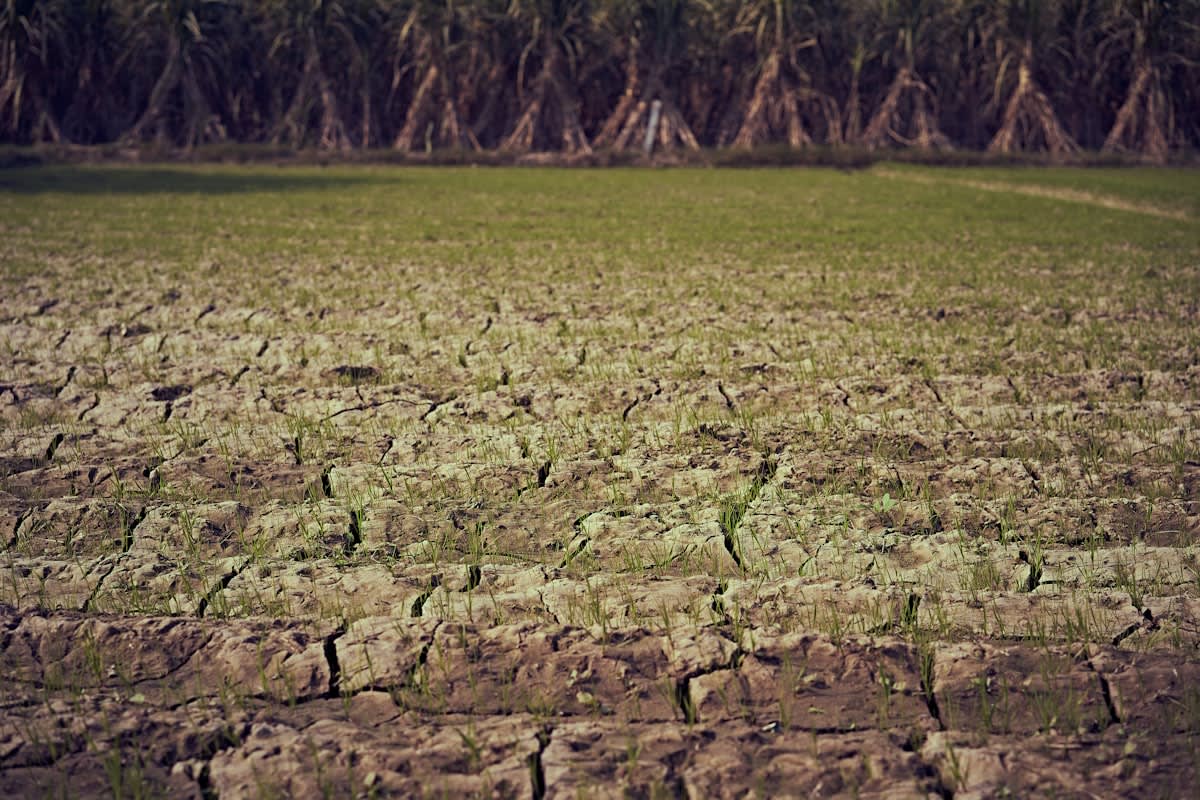
Is it possible to build a system that doesn't collapse when one region's rainfall fails? The answer lies in the margins—in the crops we forgot. We are seeing a pivot toward what researchers call 'orphan crops.' These are species that are vital for local food security and possess incredible resilience but have been systematically ignored by global scientific investment and industrial supply chains (Source: Plant Molecular Biology Reporter, 2026). The trend is shifting from 'maximum yield' to 'maximum resilience.'
Unmasking the 'Opportunity Crops'
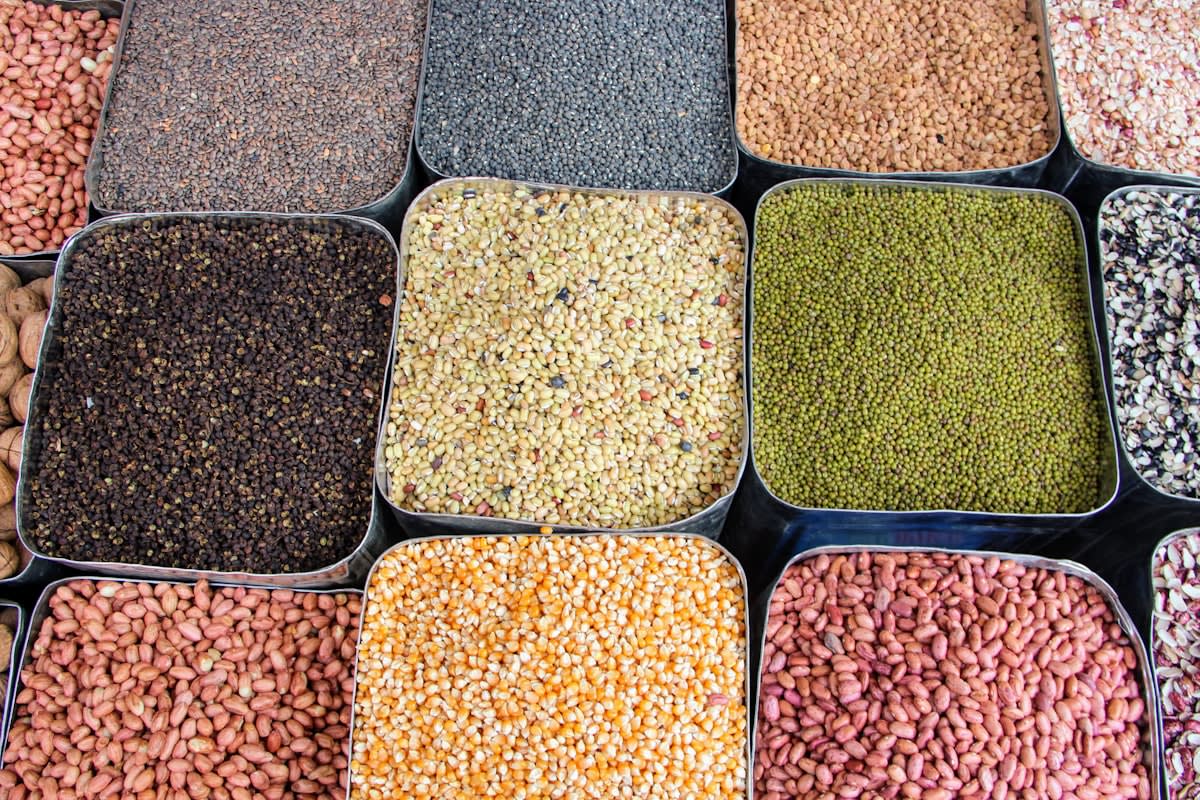
Orphan crops aren't just a nostalgic return to ancestral farming; they are a biological goldmine. Because these crops have evolved in specific, often harsh, local environments, they possess genetic traits for drought tolerance and nutrient density that our pampered global staples have lost. The scientific community is finally waking up to this. Current research is focusing on these understudied species as the primary engine for sustainable agriculture and nutritional security (Source: Plant Molecular Biology Reporter, 2026).
"Opportunity crops can contribute to climate adaptation, nutrition and economic development."— Crop Trust, AFS Forum 2026
The shift in terminology from 'orphan' to 'opportunity' crops signals a change in perspective. We are no longer looking at these plants as relics of the past, but as strategic assets for the future. By diversifying the genetic portfolio of what we eat, we create a buffer against total system failure. If a new pest wipes out a specific strain of wheat, a diverse landscape of opportunity crops ensures that the local population doesn't starve. It is a strategy of redundancy over efficiency.
But biodiversity alone isn't a silver bullet. To move these crops from local plots to global resilience, we need a digital scaffold. We are seeing this emerge in real-time across Africa and Asia, where data is being used to bridge the gap between traditional knowledge and industrial scalability.
The Digital Scaffold: From Togo to India
The integration of technology into resilient agriculture is no longer theoretical. In West Africa, Togo is leading a charge in digital agriculture, sharing its experience with Chad through the West Africa Food System Resilience Program (FSRP). This initiative is backed by a massive $96.37 million in World Bank financing, supplemented by the Kingdom of the Netherlands and the Global Agriculture and Food Security Program (Source: Togo First, 2026). By digitizing the agricultural process, Togo is reducing delays and improving the ability to scale resilient farming practices across borders.
Similarly, India is attacking the problem through precision data. The National Bank for Agriculture and Rural Development (NABARD) and the India Meteorological Department (IMD) have signed a Memorandum of Understanding to integrate hyper-local weather data into the DiCRA (Data in Climate Resilient Agriculture) platform (Source: Indianmasterminds, 2026). This open-source digital platform provides district- and block-level forecasts and agromet advisories. When a farmer knows exactly when a climate shock is coming, the risk of switching from a standard staple to a resilient orphan crop becomes manageable.
This is the missing link. The reason orphan crops remained 'orphaned' for so long was the lack of predictable data and market infrastructure. When you combine the genetic resilience of an opportunity crop with the precision of a platform like DiCRA, you transform a risky experiment into a viable business model for the rural farmer.
The Practitioner's Friction: What Happens on the Ground
If you spend any time in the field, you know that the transition to orphan crops isn't a seamless slide. There is a fierce internal debate among practitioners regarding the 'yield gap.' Industrial agronomists argue that orphan crops cannot match the sheer caloric output of hybridized corn or soy. However, the counter-argument—which is gaining ground—is that a slightly lower yield that is guaranteed is infinitely more valuable than a high yield that fails completely during a heatwave. The debate has shifted from 'how much can we grow?' to 'how much can we rely on?'
The real friction, however, is in the seed supply chain. Most orphan crops lack the standardized seed certification that global markets demand. A farmer in a developing economy might want to switch to a more resilient local grain, but if there is no certified seed available at scale, they are forced back into the arms of global seed conglomerates. The struggle isn't just about biology; it's about breaking the monopoly of the seed pipeline to allow local biodiversity to breathe.
| Factor | Global Staples (Wheat/Corn/Soy) | Opportunity/Orphan Crops |
|---|---|---|
| Climate Resilience | Low (High vulnerability to shocks) | High (Evolved for local stress) |
| Data Infrastructure | Extensive/Global | Emerging (e.g., DiCRA, FSRP) |
| Financial Risk | High (Dependent on land prices/rates) | Moderate (Lower input costs) |
| Scientific Focus | Saturated | Understudied (Source: Springer Nature, 2026) |
Ultimately, the move toward orphan crops is a move toward decentralization. By empowering farmers with local seeds and global data, we reduce the number of single points of failure in the global food chain. We are moving away from a world where a drought in one hemisphere triggers a price spike in another, toward a mosaic of resilient, localized food systems.
Fact-Check & Accuracy Note
Key claims regarding the decline in UK milk production (7% drop) are sourced from the BBC (2026). Financial data regarding US cropland interest rates (6.4-7%) is attributed to NDSU Agriculture (2026). The definition of orphan crops and their role in nutritional security is based on Plant Molecular Biology Reporter (2026). Digital agriculture initiatives in Togo and India are sourced from Togo First (2026) and Indianmasterminds (2026) respectively. A point of ongoing debate in the field remains the 'yield gap' between industrial staples and orphan crops.