Trump promised to slash energy costs — but gasoline, diesel and jet fuel all soared instead
Source Entity
US Top News and Analysis
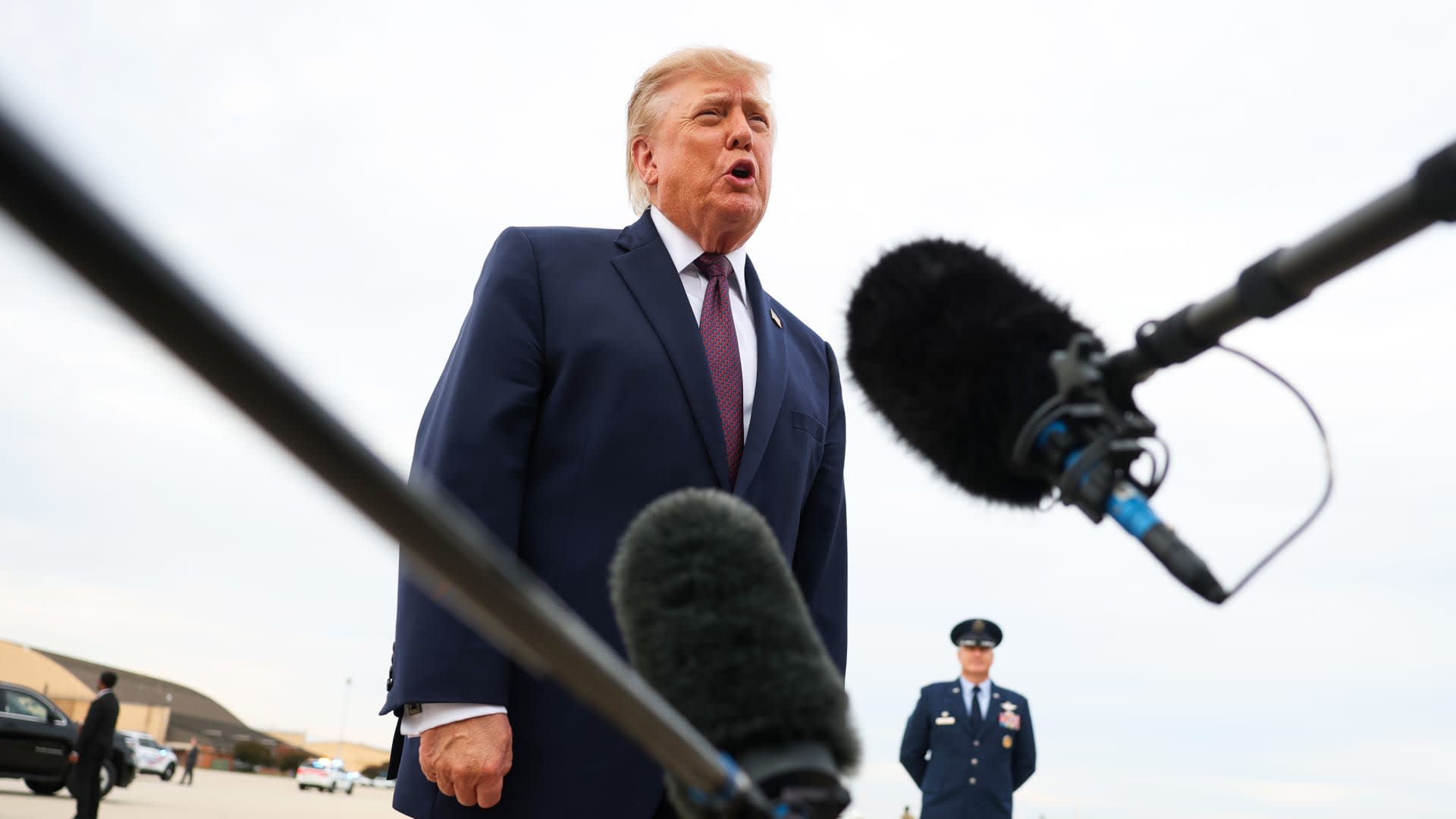
President Trump's campaign pledge to reduce gasoline prices to under $2 per gallon has not materialized as forecasted. Data indicates that fuel prices remain at record highs, directly contradicting the candidate's economic recovery platform.
The Discrepancy Between Campaign Rhetoric and Energy Reality
During his 2024 re-election campaign, President Donald Trump made a central economic promise to voters frustrated by persistent inflation: he would cut energy prices in half, specifically targeting a gasoline price point below $2 per gallon within his first year in office. This pledge was framed as a cornerstone of his economic recovery strategy, with the President explicitly stating at the New York Economic Club in September 2024 that energy was the primary driver of the nation's economic woes and that a drastic reduction in fuel costs would facilitate a broad national turnaround.
The Failure to Meet Price Benchmarks
Despite these ambitious campaign promises, current market conditions paint a starkly different picture for the American consumer. As voters approach the ballot box, the projected costs for gasoline, diesel, and jet fuel have not seen the promised decline. Instead, these essential energy commodities have continued to soar, creating a persistent financial burden for households and businesses alike that remains a significant point of contention in the current political discourse.
Expert Analysis on Fuel Market Trends
According to Patrick De Haan, the head of petroleum analysis at GasBuddy, the situation is historically unprecedented. Market forecasts indicate that gas and diesel prices are set to reach the highest levels ever recorded on an election day. This data suggests that the mechanisms intended to drive prices down have failed to gain traction, leaving the energy market in a state of volatility that contradicts the optimistic projections offered during the campaign cycle.
The Broader Economic Implications
Energy prices act as a critical multiplier in the wider economy, affecting everything from transportation and logistics to the cost of consumer goods. By centering his platform on the promise to slash these costs, the President tied his administration's perceived success to a metric that has remained stubbornly resistant to political intervention. The inability to reach the sub-$2 threshold has transformed energy from a potential political asset into a significant liability, fueling voter frustration regarding the efficacy of current economic policies.
Historical Context and Future Outlook
Historically, energy prices are subject to global supply chains, geopolitical tensions, and market demand, factors that often operate outside the immediate control of domestic policy. The reliance on such a volatile metric as a campaign promise highlights the risks inherent in linking electoral success to specific commodity price targets. Moving forward, the inability to meet these benchmarks may force a re-evaluation of how economic policy is communicated to the public and underscores the persistent challenge of managing national energy costs in a globalized market. The current trajectory suggests that voters will continue to face these economic headwinds regardless of previous promises, setting the stage for ongoing debate regarding the limits of executive power in managing energy inflation.