Glacial lake outburst in Bhutan: North Bengal on red alert as flood threat looms
Source Entity
AYUSH PANDEY
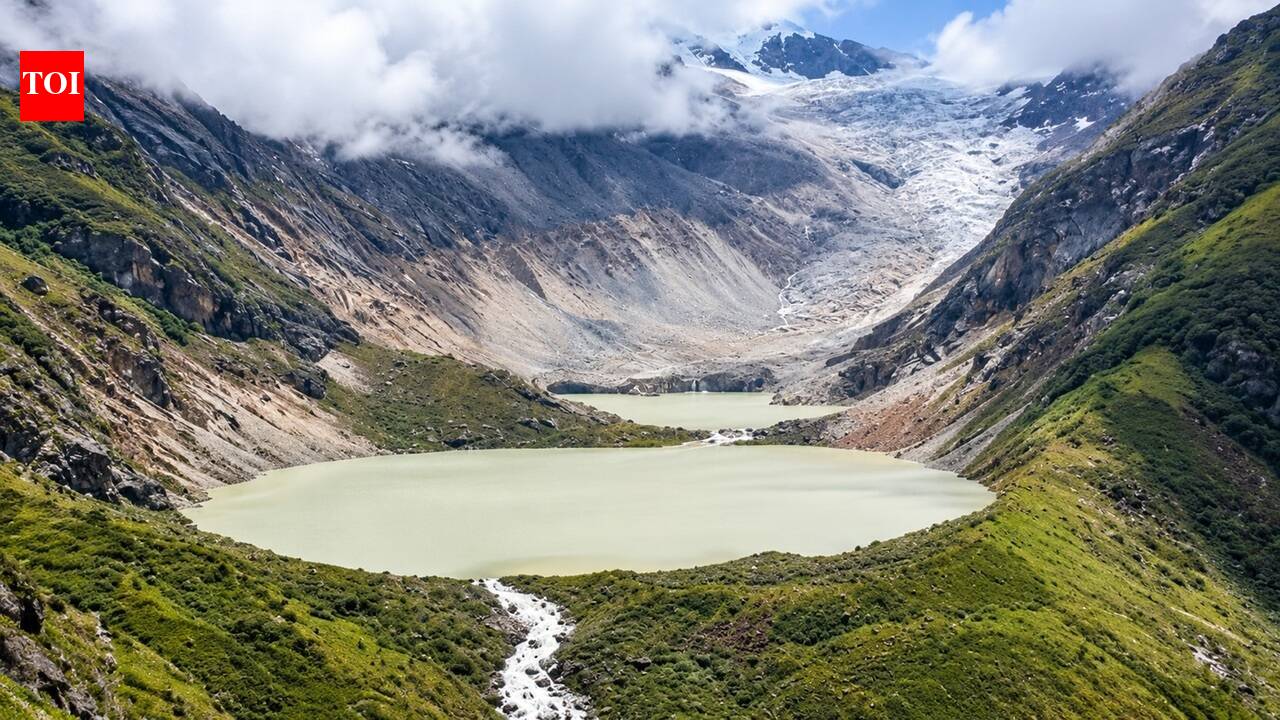
A glacial lake outburst at Shintaphu Lake in Bhutan has triggered flash flood warnings across North Bengal. Authorities have evacuated thousands of residents to safety as water levels rise in the Sankosh river system.
Glacial Lake Outburst in Bhutan Triggers Emergency Response in India
The Incident at Shintaphu Lake
On Thursday evening, a significant Glacial Lake Outburst Flood (GLOF) occurred at Shintaphu Lake, situated beneath the Wakila Mountain in the Laya Gewog of Gasa district, Bhutan. This geological event, which involves the sudden release of a massive volume of water from a glacial lake, has sent a surge of water downstream through the Mo Chhu catchment. Because the Mo Chhu system feeds directly into the Sankosh river, the impact of this outburst has rapidly extended across the international border into the Indian state of West Bengal.
Immediate Administrative Response
In response to the imminent threat, West Bengal Forest Minister Manoj Oraon issued a high-level alert for residents living in the vicinity of the Sankosh river. Specific areas identified as high-risk include the Kumargram tea estate, Kumargram forest village, Pakriguri, and Bholka. The administrative response has been swift and decisive, with local authorities prioritizing the protection of human life. Reports indicate that between 4,000 and 10,000 people have already been relocated to shelters and designated safe zones to mitigate the risk of casualty.
Broader Implications for North Bengal
This event highlights the precarious nature of mountainous river systems in the Eastern Himalayas. When a GLOF occurs, the surge of water often carries debris, sediment, and boulders, which can destroy critical infrastructure and alter river morphology downstream. The alert issued for North Bengal underscores the vulnerability of these regions to transboundary water events. While current efforts are focused on immediate evacuations, authorities are also preparing to conduct post-flood assessments, including an evaluation of livestock losses and infrastructure damage once the water levels stabilize.
Environmental Context and Future Risks
Glacial lake outbursts are becoming an increasing concern for regional stability in the Himalayas. As global temperatures fluctuate, the stability of mountain glaciers and the moraine dams holding back glacial lakes can be compromised, leading to sudden, catastrophic failures. The Shintaphu Lake event serves as a stark reminder of the necessity for cross-border cooperation between Bhutan and India regarding hydrological monitoring and early warning systems. The ability to share real-time data from the Mo Chhu catchment is essential for minimizing the impact of future climate-induced disasters.
Concluding Summary
As of now, the situation in North Bengal remains fluid, with disaster response teams maintaining a constant vigil along the Sankosh river. The success of the current evacuation efforts demonstrates the effectiveness of pre-emptive warnings. Moving forward, the focus will likely shift toward long-term disaster resilience, including the reinforcement of riverbank infrastructure and the implementation of more robust surveillance technologies to monitor high-altitude glacial lakes in the Bhutanese Himalayas.