Delhi-NCR feels winter chill after overnight rain, AQI improves to 'moderate'
Source Entity
HADI KHAN
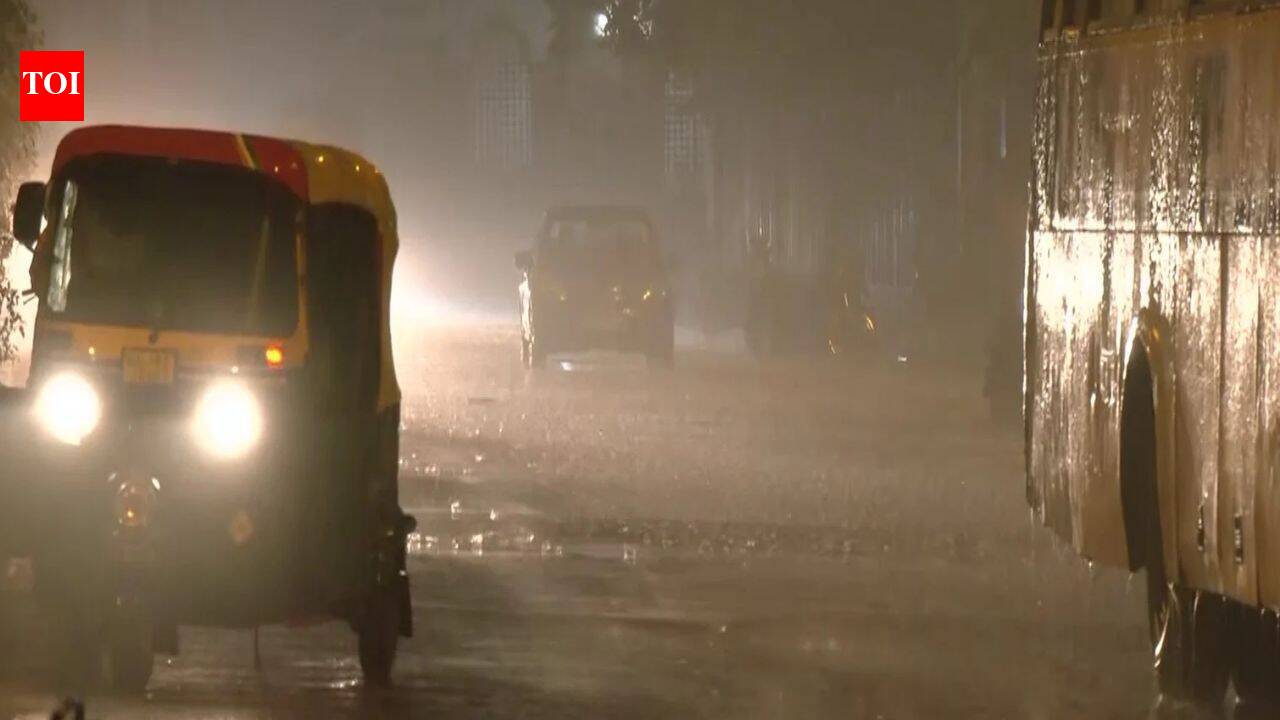
Delhi experienced its coldest October day in four years following significant overnight rainfall and thunderstorm activity. The precipitation successfully improved the city's air quality index from 'poor' to 'moderate'.
Delhi Records Unseasonal Chill and Improved Air Quality
Delhi residents woke up to an uncharacteristic drop in temperature as the national capital recorded its coldest October day in four years. The shift in weather patterns was driven by persistent dark clouds that hung over the city throughout the day, following a significant spell of overnight rain that impacted the entire Delhi-NCR region.
Meteorological Drivers and Alerts
The India Meteorological Department (IMD) responded to the atmospheric instability by issuing 'red' and 'orange' alerts across the capital. These warnings were specifically targeted at the risk of thunderstorms, which accompanied the rainfall. The presence of these alerts underscores the severity of the weather system, which brought a sudden, sharp decline in mercury levels that stands out significantly against historical climate data for the month of October.
Impact on Regional Air Quality
One of the most immediate and positive outcomes of these weather conditions has been the measurable improvement in Delhi’s air quality. Prior to the rain, the city had been grappling with a 'poor' Air Quality Index (AQI), which remained consistently above 200 on Wednesday and Thursday. Following the showers, the particulate matter levels saw a sharp decline, with the AQI settling at 133, firmly within the 'moderate' category.
Localized Effects and Observations
Visual documentation from across the city confirmed the intensity of the event. Rain-soaked roads were observed at major transit hubs such as the Hazrat Nizamuddin railway station, while steady showers were reported in areas like Jamia Millia Islamia. The persistent cloud cover served as a physical manifestation of the low-pressure system that facilitated the cooling effect.
Broad Implications and Future Trends
While the drop in temperature and the clearing of the air provide a temporary reprieve for Delhiites, the event highlights the increasing volatility of regional weather patterns. The cooling effect, while welcome for its impact on pollution, serves as a reminder of the shifting climate dynamics in North India. As the region transitions into the winter months, the role of such weather events in flushing out pollutants remains a critical subject for urban planning and public health monitoring.
Multiple Citing Sources