Inside the U.S. Military’s Open-Ended Mission to Keep Gulf Oil Flowing
Source Entity
Latest News: Todays Latest News Headlines from India & World | Hindustan Times
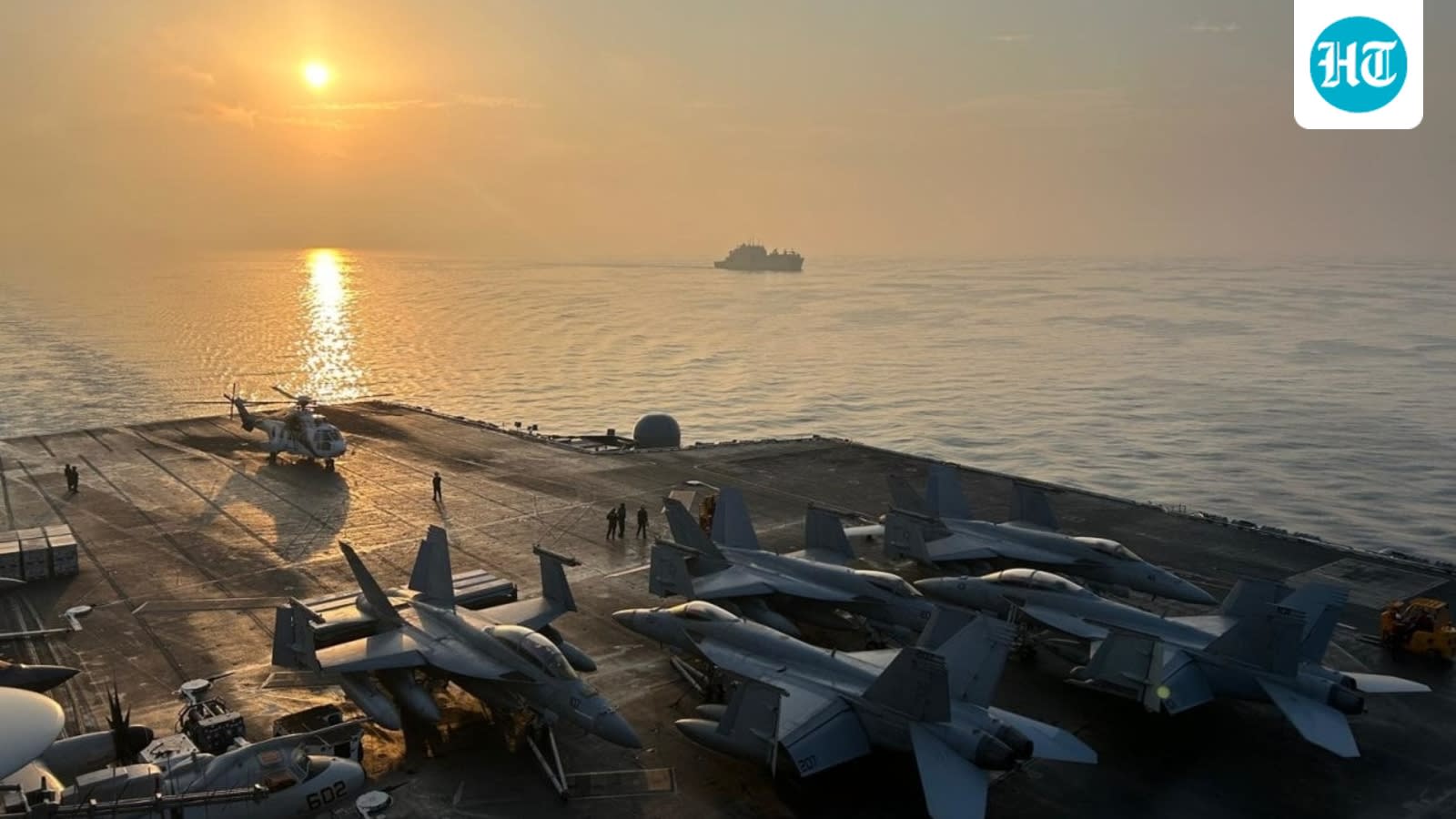
Ongoing Middle East conflicts and shipping disruptions are creating a sustained environment of high oil prices. The U.S. military is actively conducting daily defensive operations in the Strait of Hormuz to protect commercial tankers from aerial threats.
The Persistent Shadow Over Global Energy Markets
The global crude oil sector is currently navigating a period of unprecedented volatility, driven by an eight-month-old conflict in the Middle East that shows no signs of immediate resolution. As geopolitical tensions continue to manifest in the form of shipping disruptions, the market is bracing for a sustained period of elevated prices. Analysts suggest that the $100-per-barrel threshold may become a new baseline, reflecting the true cost of the chaos that has permeated global supply chains since the conflict began in February.
The U.S. Military’s Strategic Response
At the center of this stability effort is the United States military, which has transitioned into a near-daily protective role in the Arabian Sea and the Strait of Hormuz. Operating primarily from the USS George Washington, American pilots are engaged in high-stakes missions to intercept Iranian cruise missiles and drones. These defensive operations are not merely peripheral; they are essential to maintaining the flow of global energy, acting as a critical barrier between ongoing regional hostilities and the disruption of vital commercial shipping lanes.
Operational Realities and Defensive Umbrella
The tactical execution of these missions involves a complex synchronization of various air assets. F-35C and F/A-18 pilots work in tandem with electronic-warfare planes, advanced radar systems, and submarine-hunting helicopters to maintain a defensive umbrella over tankers. This grueling operational tempo—characterized by overnight sorties and the intense physical demands of carrier landings—highlights the significant resources the U.S. is committing to prevent a total blockage of the Strait of Hormuz.
Economic Implications of Sustained Conflict
The economic consequences of this "open-ended mission" are profound. When military intervention becomes a permanent fixture of commercial logistics, the added premiums on shipping insurance and the physical risk to crew members naturally inflate the final price of oil. Because these disruptions have persisted since February, the market has begun to price in a long-term geopolitical risk factor that ignores short-term diplomatic fluctuations, settling firmly into the expectation that oil will not be getting cheap anytime soon.
Looking Toward Future Trends
Looking ahead, the intersection of military strategy and commodity pricing suggests a new paradigm for the energy sector. As long as the Strait of Hormuz remains a primary theater for aerial threats, the resilience of the global economy will depend on the continued efficacy of U.S. carrier-based defense. Investors and policymakers should anticipate that even if the kinetic intensity of the conflict wanes, the underlying logistical uncertainty will likely keep oil prices anchored at higher levels for the foreseeable future.
Conclusion
In summary, the confluence of persistent Middle Eastern instability and the necessity of constant military protection for commercial vessels has created a structural shift in the oil market. With the U.S. military committed to holding the line, the market is adjusting to a reality where high prices are not a temporary anomaly, but a reflection of the systemic challenges inherent in securing global energy supply lines in an era of active regional conflict.
Verification Required?