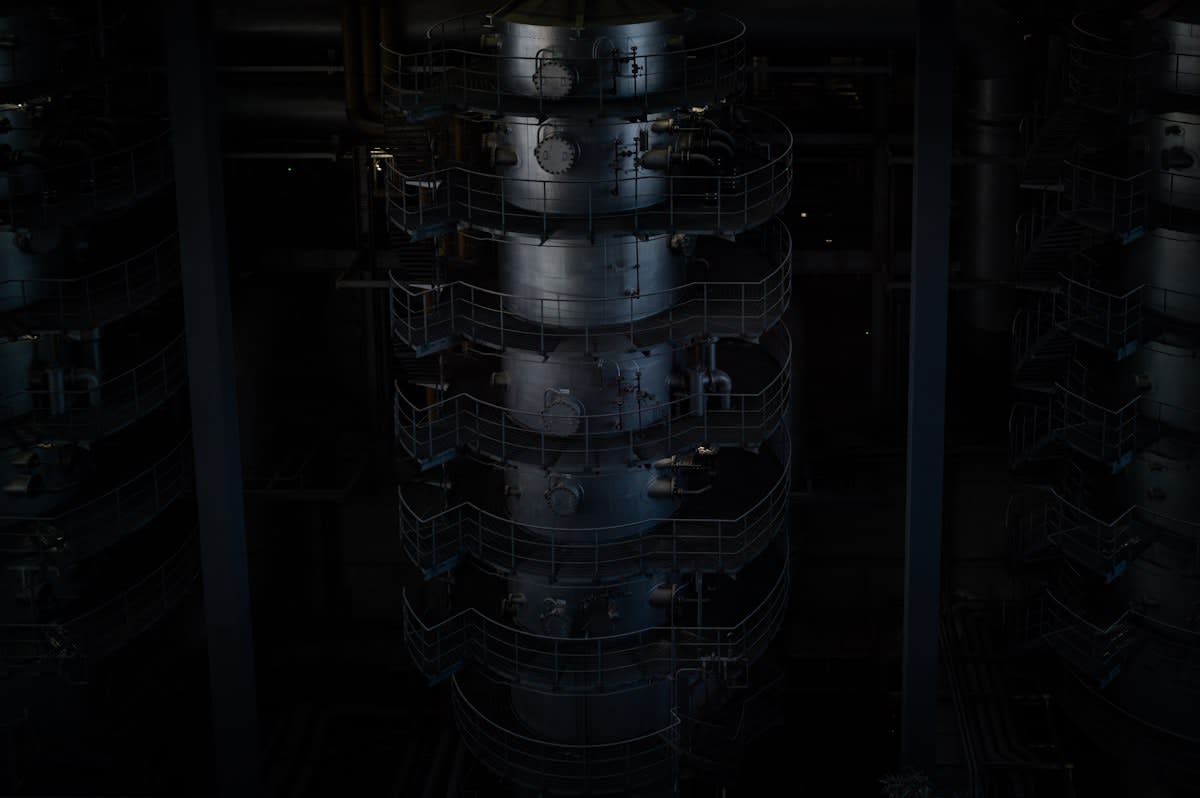
The dairy industry is hitting a molecular inflection point. For centuries, the cow was the sole biological factory capable of producing casein and whey. That monopoly has ended. We are witnessing a systemic shift where the protein is decoupled from the animal, moving from the pasture to the bioreactor. This isn't about plant-based substitutes that mimic the taste of cheese; it is about precision fermentation creating proteins that are molecularly identical to those found in bovine milk. Why maintain a trillion-dollar infrastructure of livestock when you can program yeast to do the same work in a steel vat?
The momentum is accelerating with startling speed. In Europe, the alternative protein sector saw a massive 56% bump in funding during 2026 (Source: Green Queen, 2026). The most telling metric is the velocity of investment in precision fermentation. Startups in this niche secured €100M ($117M) in the first half of 2026 alone, already eclipsing the total investment for the entire previous year of 2025, which stood at €97M ($104M) (Source: Green Queen, 2026). This represents a violent shift in investor confidence, moving away from first-generation plant-based proteins toward bio-identical cellular agriculture.
The Funding Surge: Europe's Bio-Industrial Push
European capital is flowing into a handful of high-conviction bets. The European Innovation Council's accelerator program recently injected €12.5M ($14M) into the Dutch startup Vivici to help scale its precision-fermented dairy proteins (Source: Green Queen, 2026). We are seeing a pattern of larger, more strategic deals rather than a spray-and-pray approach. French firm Standing Ovation secured €30M ($34M), while Verley raised €25M ($30M) as part of a broader funding round (Source: Green Queen, 2026). Even the biomass sector is riding this wave, with The Protein Brewery attracting an €18M Series B extension (Source: Green Queen, 2026).
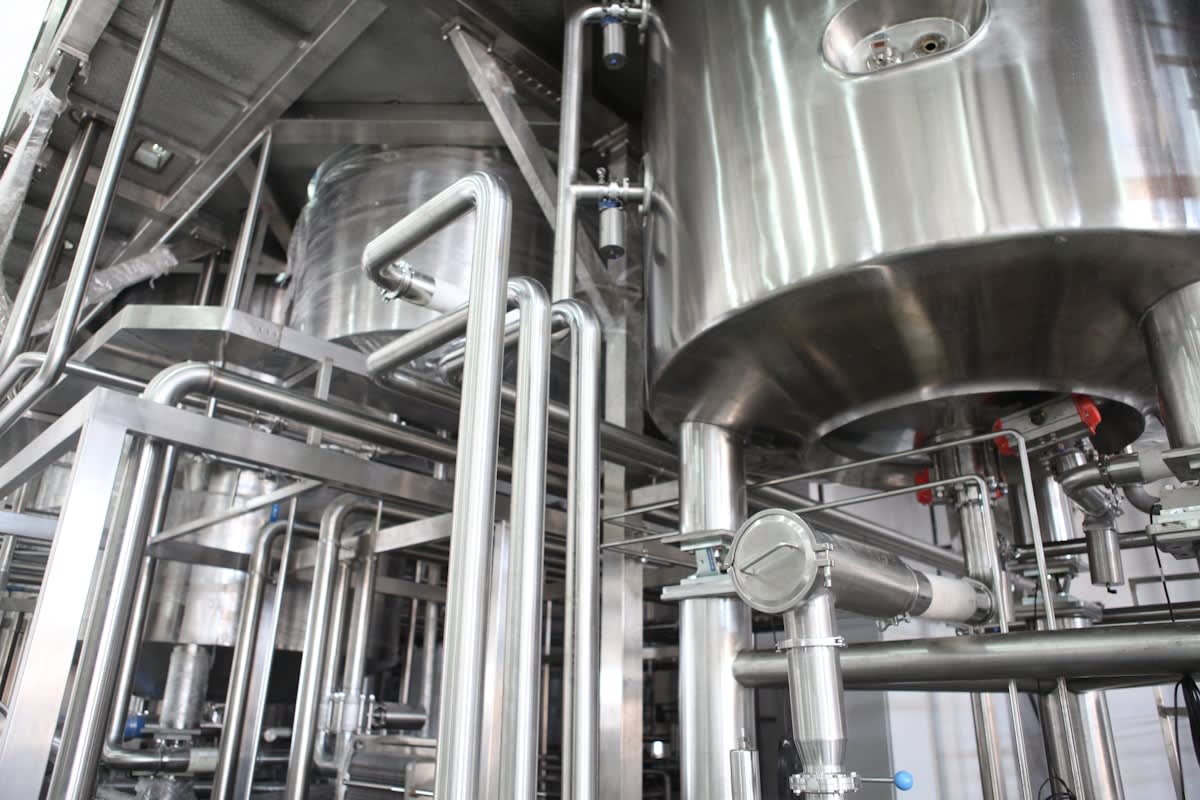
This capital infusion is not just about venture curiosity; it is about infrastructure. The goal is to move these proteins from 10-liter lab flasks to 100,000-liter industrial fermenters. When you look at the grant provided to the British firm Adamo Foods—€10M ($12M) under the EU-funded Circular Bio-Based Europe Joint Undertaking—it becomes clear that governments view this as a strategic necessity for food security (Source: Green Queen, 2026). They aren't just funding a product; they are funding a new way of manufacturing calories.
"Precision fermentation for dairy-identical proteins, ultrafiltration and microfiltration membrane processing... are collectively redefining product capabilities and cost structures across both segments."— BCC Research, 2026 Market Analysis
But does the consumer actually know this is happening? Often, they don't. A silent revolution is already breaching the aisles of major retailers. The EVERY Company, for example, utilized a self-determination pathway to secure FDA no-questions letters for its OvoPro protein (Source: eclinicpress/The FarmacyReals, 2026). By fermenting egg-white genes inside industrial vats with genetically modified yeast, they've created a substance molecularly identical to a hen's egg. Because labeling mandates often remain obscured under generic terms, these bio-identical proteins are already texturizing protein bars and salad dressings without a single warning label (Source: eclinicpress/The FarmacyReals, 2026).
Trade Wars as a Catalyst for Cellular Ag
While the tech is the engine, geopolitics is the fuel. Traditional dairy trade is becoming a minefield of tariffs and anti-dumping duties. China's 84% import charge on U.S. dairy goods and various anti-dumping duties on EU dairy are actively redirecting global trade flows (Source: GlobeNewswire, 2026). This volatility creates a massive incentive for nations to produce their own dairy proteins locally through fermentation rather than relying on unstable shipping lanes and political whims.
The financial toll of this instability is evident in the balance sheets of traditional giants. Saputo saw a 10.7% increase in operating costs in 2025, while the DMK Group suffered a revenue decline in 2024 due to reductions in bulk dairy prices (Source: GlobeNewswire, 2026). When the cost of moving a cow-based product across an ocean becomes prohibitive, the bioreactor in the city center becomes the more economical choice.
| Metric | Traditional Dairy (Recent Trend) | Precision Fermentation (2026 Trend) |
|---|---|---|
| Investment Velocity | Stagnant/Consolidating | Surging (H1 2026 > Full Year 2025) |
| Cost Drivers | Tariffs (e.g., China 84%) | Capex for Bioreactors |
| Product Nature | Animal-Dependent | Molecularly Identical/Animal-Free |
| Market Outlook | Price Volatility | Projected $148.6B Market by 2030 |
This shift is forcing legacy players to adapt or die. Companies like Fonterra, Glanbia, and Arla Foods are no longer just dairy cooperatives; they are becoming diversified protein companies. By integrating precision fermentation and advanced membrane processing, these firms are attempting to hedge their bets against a future where the cow is a luxury, not a necessity (Source: GlobeNewswire, 2026).
The Practitioner's Reality: Friction at Scale
On the ground, the debate has moved past whether this works to how we actually scale it. If you spend a week in a fermentation facility, you realize the friction isn't in the genetics—it's in the plumbing. Engineers are obsessing over oxygen transfer rates and heat dissipation in 100,000-liter tanks. There is a fierce internal debate among practitioners regarding the 'feedstock'—what do we feed the yeast to keep costs down? The industry is moving toward circularity, using agricultural waste as the sugar source to ensure the carbon footprint doesn't just shift from the cow to the cornfield.
There is also a psychological war being waged over terminology. Is it 'lab-grown' or 'fermented'? The industry is leaning heavily into 'fermentation' because it evokes beer and bread, not test tubes. This linguistic pivot is critical for consumer adoption. When a product is marketed as 'molecularly identical' but 'animal-free,' it bypasses the 'fake food' stigma that plagued early plant-based burgers.
Beyond Milk: The Whole-Animal Approach
The decoupling doesn't stop at milk. We are seeing a broader movement toward 'whole animal' cellular agriculture. Aleph Frontiers, for instance, has launched cultivated collagen—a nature-identical biomaterial used in food, cosmetics, and leather (Source: Keychain, 2026). By eliminating fetal bovine serum (FBS) and all animal components from their growth medium, they have created a fully animal-free, scalable process. This means the same technology that gives you a glass of milk can give you a leather handbag or a medical graft.
In Israel, this has already reached the plate. Cultivated beef, including cuts like short rib and ribeye, has already been approved for consumption (Source: Keychain, 2026). The process begins with cells from a Black Angus cow named Lucy, which are then cultivated in a plant-based protein matrix. This is the ultimate expression of the decoupling trend: the animal provides the blueprint, but the bioreactor provides the product.
The financial horizon for this convergence is staggering. The dairy ingredients and alternatives market is projected to reach $148.6 billion by 2030 (Source: BCC Research/GlobeNewswire, 2026). This growth is driven by the convergence of protein demand and the ability of precision fermentation to drive down cost structures. We are no longer talking about a niche market for vegans; we are talking about the reconfiguration of the global protein supply chain.
Fact-Check & Accuracy Note
Key claims regarding the €100M H1 2026 funding surge and the $148.6B 2030 market projection are sourced from Green Queen and BCC Research/GlobeNewswire respectively. The 84% China tariff on US dairy is a verified trade statistic from GlobeNewswire (2026). Ongoing debates in the field center on the scalability of bioreactor infrastructure and the finality of global labeling regulations.