Scientists say northern spotted owl is now functionally extinct in many areas
Source Entity
TOI SCIENCE DESK
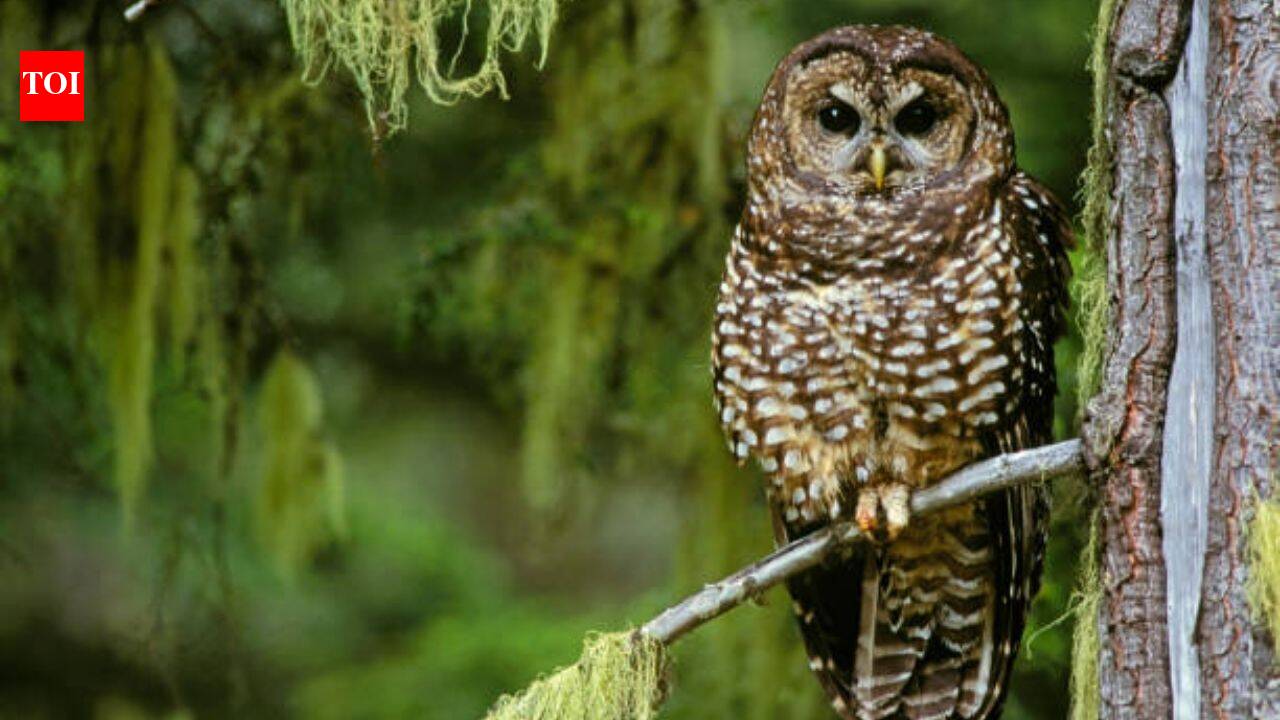
The northern spotted owl, once a symbol of environmental protection, is now considered functionally extinct across large portions of its historic range. Research highlights a combination of habitat loss, wildfires, and aggressive competition from the invasive barred owl as the primary drivers of this decline.
The Silent Forests: The Decline of the Northern Spotted Owl
For decades, the northern spotted owl has served as the definitive emblem of the Pacific Northwest’s ecological struggles. Once the catalyst for the intense 'timber wars' of the early 1990s, the species’ listing under the Endangered Species Act transformed it into a focal point for the tension between industrial logging interests and conservation advocacy. Now, thirty-six years later, that symbol faces an existential crisis as research from Oregon State University reveals the species has reached a point of functional extinction across significant portions of its historic range.
The Mechanics of Ecological Collapse
The current state of the northern spotted owl is the result of a multi-front assault on its habitat and survival viability. The species relies heavily on old-growth forests, environments that have been consistently reduced through decades of habitat destruction. This loss of primary nesting grounds has been exacerbated by an increase in the frequency and intensity of wildfires, which systematically dismantle the complex, multi-layered forest structures required for the owls to breed and hunt effectively.
The Invasive Threat: The Barred Owl Factor
Beyond environmental degradation, the northern spotted owl faces an acute biological threat from the encroaching barred owl. Unlike the more specialized spotted owl, the barred owl is a generalist species that has moved into the region, engaging in direct competition for limited resources. By listening to millions of hours of forest soundscapes, researchers have been able to map the displacement of the native owl, highlighting how the presence of the invasive species forces the spotted owl out of its remaining secure territories.
Defining Functional Extinction
It is vital to understand the term 'functional extinction' in this context. While it does not imply that every individual of the species has perished, it indicates that the population has declined to a point where it no longer fulfills its ecological role. When a species loses its capacity to interact with its environment or sustain a viable breeding population, its long-term survival becomes mathematically improbable without drastic, large-scale intervention.
Historical Context and Broader Implications
The transition of the northern spotted owl from a protected icon to a functionally extinct species underscores the limitations of current conservation policies. The legal battles of 1990 were intended to secure the future of old-growth ecosystems by protecting the owl, yet the broader environmental shifts—climate-driven wildfires and invasive species migration—have outpaced the protections afforded by the Endangered Species Act. This realization suggests that static conservation models may need to evolve to address dynamic, rapidly changing ecological threats.
Future Trends and Outlook
Looking ahead, the outlook for the northern spotted owl remains precarious. As climate change continues to alter forest composition and fire regimes, the window for recovery narrows. The scientific community’s reliance on advanced acoustic monitoring and long-term population studies confirms that the species is at a critical juncture. The plight of the northern spotted owl remains a cautionary tale, illustrating how even species afforded the highest levels of legal protection can succumb when ecosystem-wide pressures become too pervasive to manage.