TOI impact story: IISc eco-friendly foam moves from lab to market
Source Entity
CHETHAN KUMAR
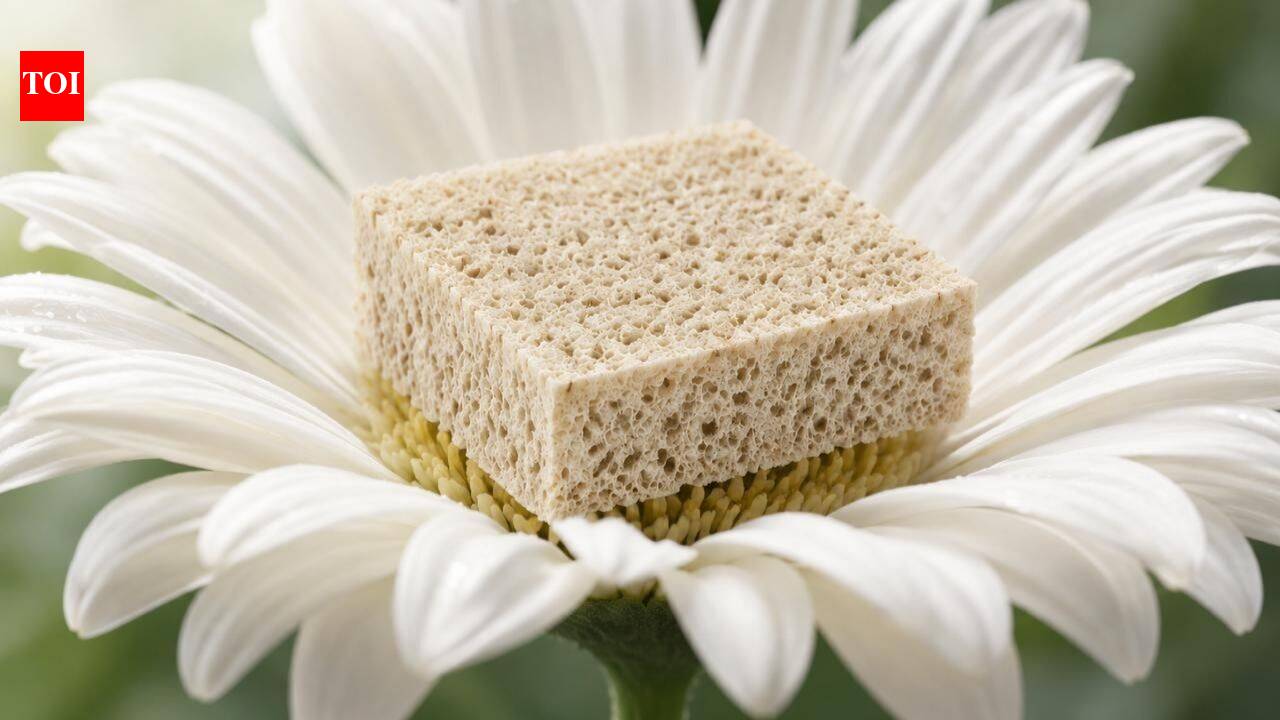
Researchers at the Indian Institute of Science (IISc) have successfully transitioned an eco-friendly foam technology from laboratory development to commercial availability. This innovation marks a significant step forward in sustainable material science and industrial application.
Bridging the Gap: From Lab Bench to Market
The recent transition of an eco-friendly foam developed by the Indian Institute of Science (IISc) from a controlled laboratory environment to the commercial market represents a critical milestone in sustainable engineering. Historically, academic institutions often struggle to move innovative materials past the 'proof of concept' phase. This development highlights a successful synergy between fundamental research and industrial scalability, proving that sustainable alternatives can be both scientifically robust and economically viable.
The Science of Sustainability
At its core, this eco-friendly foam addresses the growing global demand for materials that reduce ecological footprints. Traditional synthetic foams, often derived from petroleum-based polymers, are notorious for their persistence in landfills and contribution to microplastic pollution. By developing a biodegradable or environmentally benign alternative, the IISc team has tackled one of the most pressing challenges in materials science: maintaining functional performance—such as insulation and structural integrity—while ensuring the material decomposes safely.
Industrial and Environmental Implications
Moving this technology to the market has profound implications for industries ranging from packaging to construction. As global regulations tighten regarding single-use plastics and non-recyclable materials, industries are under immense pressure to adopt greener solutions. The availability of a proven, lab-tested, eco-friendly foam offers a realistic path for manufacturers to pivot away from harmful chemicals without sacrificing product quality. This shift is essential for lowering the carbon intensity of supply chains.
Overcoming the Commercialization Hurdle
The leap from a research lab to the commercial sector is frequently described as the 'Valley of Death' for new technologies. Factors such as mass-production costs, raw material sourcing, and performance consistency at scale often derail promising inventions. The fact that this specific IISc innovation has cleared these hurdles suggests that the researchers accounted for industrial manufacturing constraints early in the design process, a practice that is becoming increasingly vital in modern material science.
Future Trends and Outlook
Looking forward, this development serves as a blueprint for future academic-industry collaborations. We can expect to see a surge in demand for such bio-based materials as consumer awareness grows and corporate social responsibility mandates expand. If this foam proves successful in broad market applications, it will likely pave the way for a new generation of sustainable materials, potentially leading to a circular economy where laboratory-born innovations become the standard in daily industrial use.