Mumbai rain: After a dry August, will September bring relief? What IMD predicts
Source Entity
Nayonika Bose
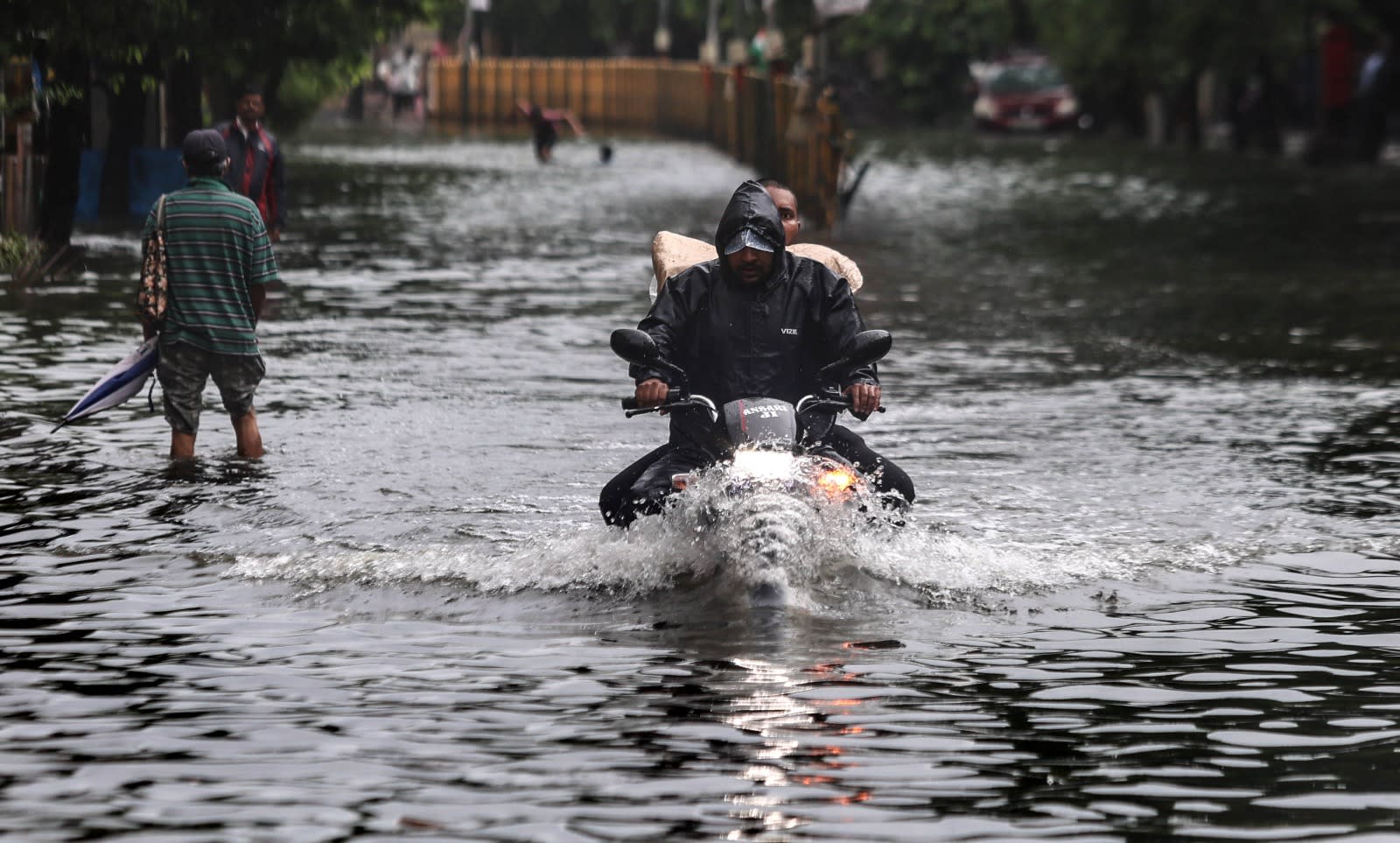
The IMD has forecasted below-normal rainfall for September following a record-breaking warm August, signaling a deficient monsoon season. Persistent El Niño conditions and unfavorable atmospheric patterns are expected to impact agricultural yields and increase irrigation demands nationwide.
A Climate Milestone: The Warmest August Since 1901
The India Meteorological Department (IMD) has officially confirmed a historic meteorological anomaly, reporting that August 2023 was the warmest August in India since records began in 1901. With a mean temperature of 28.01°C—which is 0.67°C above the Long Period Average (LPA)—the country experienced an intense heat phase that contrasted sharply with the typical rainfall patterns expected during the monsoon season. This thermal surge is not merely a localized event but a reflection of broader climatic shifts impacting the subcontinent.
The Mechanics of a Deficient Monsoon
The monsoon, which serves as the lifeblood of India's agrarian economy, is currently facing significant structural challenges. As of August 31, the national monsoon deficit stood at 14%, a figure that is projected to widen as the IMD forecasts below-normal rainfall for September. This trend is largely attributed to the strengthening of El Niño conditions, a global weather phenomenon characterized by the warming of ocean surface temperatures in the central and eastern Pacific, which historically disrupts the Indian monsoon flow.
Regional Impacts: The Case of Mumbai
While the national picture is concerning, the regional disparities are equally stark. Mumbai, a city that typically relies on robust monsoon activity, experienced a significantly dry August, receiving only 35% of its monthly average rainfall. This shift from the wet spells observed in July to a month of mere drizzle highlights the volatility of current weather systems. The lack of active weather systems has left the metropolitan region grappling with the dual challenge of erratic precipitation and rising temperatures, making it the second-driest August for South Mumbai in a decade.
Agricultural and Economic Implications
The persistent rainfall deficit and rising temperatures carry profound implications for India’s agricultural sector, specifically the Kharif crop cycle. Experts anticipate that the lack of adequate water will likely lead to lower yields, reduced crop quality, and diminished overall output. As soil moisture levels drop, farmers are forced to contend with increased irrigation costs to sustain their crops, placing additional economic pressure on the rural economy. This scenario underscores the fragility of rain-fed agriculture in the face of shifting climate patterns.
Future Trends and Atmospheric Conditions
Looking ahead, the outlook for the remainder of the monsoon season remains pessimistic. The combination of sustained El Niño conditions and neutral Indian Ocean Dipole (IOD) states provides little room for a late-season recovery. The IOD, which often acts as a compensatory mechanism for the monsoon, is currently failing to provide the necessary support to mitigate the deficit. Consequently, the meteorological consensus suggests that the four-month monsoon season will conclude with a definitive cumulative deficit, marking a challenging period for water resource management and food security planning.