Lion-man – the oldest confirmed statue ever discovered
Source Entity
Hacker News
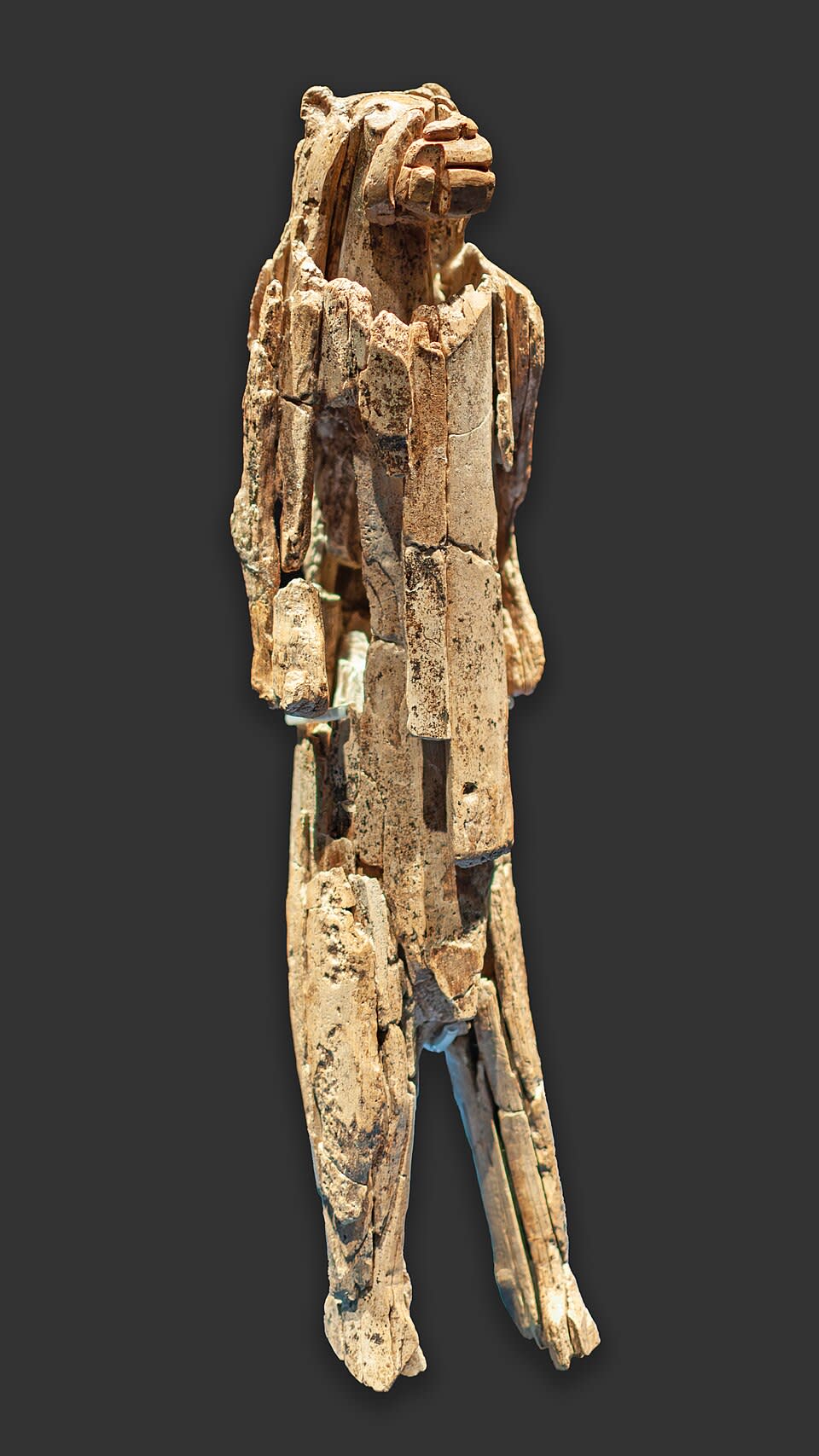
The Lion-man of Hohlenstein-Stadel is the world's oldest known zoomorphic sculpture, discovered in 1939. This mammoth ivory artifact provides crucial insight into early human symbolic thought and prehistoric artistic expression.
The Lion-man: A Masterpiece of Prehistoric Symbolism
The discovery of the 'Lion-man' figurine represents a monumental milestone in our understanding of human cognitive evolution. Unearthed within the Hohlenstein-Stadel cave in Germany, this artifact is widely recognized as the oldest confirmed zoomorphic statue ever discovered. Crafted from mammoth ivory, the figure depicts a hybrid creature with both human and feline characteristics, suggesting that early humans possessed a sophisticated capacity for imagination and symbolic thinking tens of thousands of years ago.
A Discovery Interrupted by History
The history of the Lion-man is inextricably linked to the geopolitical instability of the 20th century. Systematic excavations led by historian Robert Wetzel commenced in 1937, but the project was abruptly halted on August 25, 1939, when geologist Otto Völzing first identified the ivory fragments. The onset of World War II just one week later forced the cessation of fieldwork, leaving the site’s potential largely untapped and the recovered fragments relegated to obscurity within the Museum Ulm for three decades.
The Long Road to Reconstruction
For nearly thirty years, the fragmented pieces of the figurine remained forgotten, stored away while the world focused on the reconstruction of post-war Europe. It was not until the intervention of archaeologist Joachim Hahn that the true significance of the find began to materialize. By methodically inventorying and assembling more than 200 individual shards, Hahn initiated the process of revealing the hybrid figure. This meticulous effort transformed a collection of ivory scraps into a coherent artistic statement, effectively bridging the gap between the Paleolithic era and modern archaeological study.
Symbolic Significance and Human Evolution
The existence of the Lion-man challenges previous assumptions regarding the timeline of human artistic development. By blending human anatomy with the features of a lion, the creator of this statue demonstrated an ability to conceive of entities that do not exist in the physical world. This is a hallmark of abstract thought, indicating that early humans were capable of developing complex mythologies, spiritual beliefs, or narratives that extended beyond their immediate environment.
The Legacy of Hohlenstein-Stadel
While Robert Wetzel continued to conduct seasonal excavations at the site in the years following the war, the initial discovery remains the most profound. The Hohlenstein-Stadel cave has become a touchstone for paleoanthropologists studying the Upper Paleolithic period. The Lion-man serves as a primary piece of evidence that the transition to behavioral modernity was characterized by an explosion of creative output, marking the beginning of a cultural trajectory that would eventually define human civilization.
Conclusion
In conclusion, the Lion-man is far more than a mere prehistoric relic; it is an enduring symbol of the dawn of human intellect. From its accidental discovery on the eve of global conflict to its patient reconstruction by dedicated researchers, the figurine serves as a testament to both human ingenuity and our enduring curiosity about our origins. As we continue to study the artifact, it reminds us that the drive to express the abstract through art is a fundamental component of the human experience.