For vultures near Dehradun, 2.4 km separates survival from electrocution
Source Entity
India Latest News: Top National Headlines Today & Breaking News | The Hindu
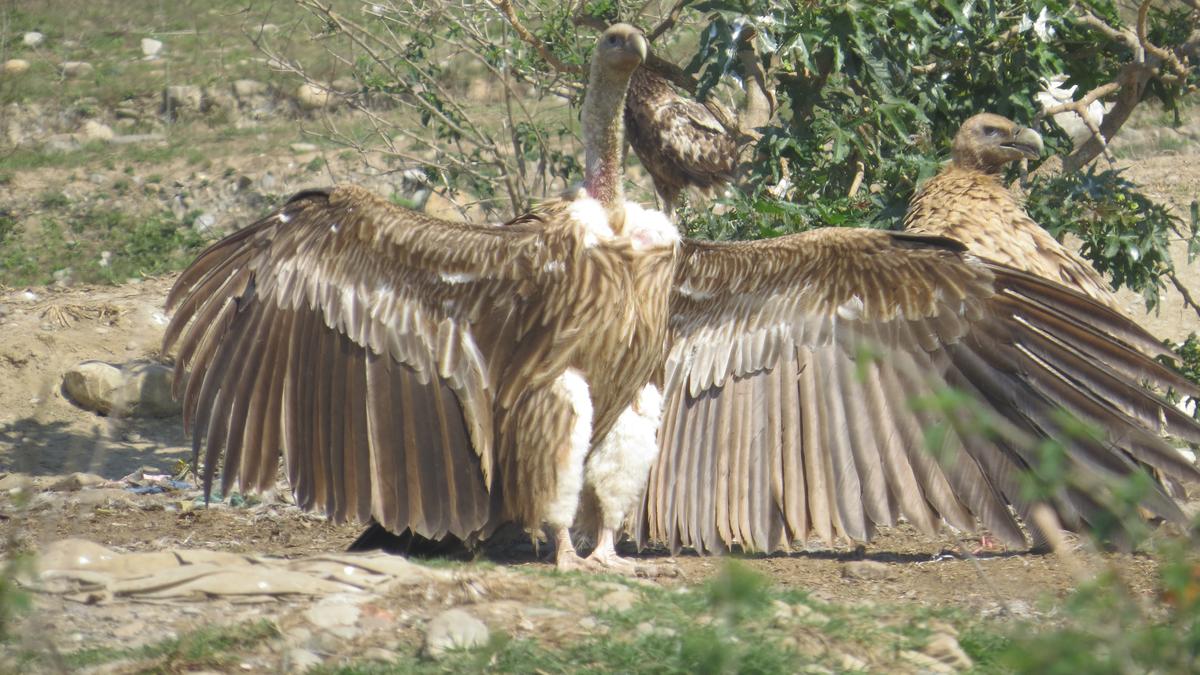
A recent study highlights that relocating a livestock carcass dump 2.4 km away from power lines in Dehradun has successfully protected vultures from electrocution. This intervention offers a scalable model to mitigate human-wildlife conflicts, even as broader threats like NSAIDs and habitat loss persist.
Vulture Conservation: The Dehradun Success Model
Recent findings published in the Journal of Threatened Taxa have shed light on a crucial, yet simple, intervention for vulture conservation: spatial management. By relocating a livestock carcass dump 2.4 km away from power lines in Sudhauwala, near Dehradun, researchers have demonstrated that local environmental planning can effectively shield these scavengers from the lethal threat of electrocution.
The Mechanics of the Intervention
For large raptors like vultures, power lines represent a significant, often overlooked hazard. When carcass dumps—their primary food source—are situated directly beneath or adjacent to electrical infrastructure, the birds are at constant risk of collision or electrocution during landing and take-off. The study, authored by a team including Javed Anver and colleagues, confirms that a relatively short distance of 2.4 km was sufficient to decouple the feeding site from the lethal electrical grid, illustrating the impact of strategic land-use management.
Broader Context of Vulture Decline
While the relocation effort is a positive development, it exists against a backdrop of severe population declines across Asia and Africa. Vultures are currently facing a multifaceted existential crisis. The study notes that beyond electrocution, these birds are plagued by poisoning, the prevalence of toxic veterinary non-steroidal anti-inflammatory drugs (NSAIDs) in livestock, acute food scarcity, and ongoing habitat degradation. Each of these factors acts as a bottleneck for population recovery.
Challenges Beyond Electrocution
Addressing electrocution is a major victory, but it does not resolve the systemic issue of chemical toxicity. NSAIDs, particularly diclofenac, have historically decimated vulture populations by causing renal failure. The continued presence of these drugs in the environment remains a primary obstacle. Conservationists must view the Sudhauwala relocation not as a standalone solution, but as a component of a larger, more complex strategy that includes medical regulation and landscape-level protection.
Implications for Future Conservation
This study provides a roadmap for policymakers and wildlife managers. It proves that targeted, low-cost interventions can yield significant results in biodiversity hotspots like Uttarakhand. Future trends in wildlife management will likely focus on similar 'spatial decoupling' strategies, where anthropogenic infrastructure is redesigned or relocated to accommodate the natural foraging behaviors of endangered species.
Conclusion
In summary, the success near Dehradun serves as a vital case study in pragmatic conservation. While the global threat to vultures remains high, the ability to mitigate specific, localized dangers like electrocution offers a glimmer of hope. Sustained efforts to address the deeper, chemical, and structural challenges will be essential to ensuring the long-term survival of these critical scavengers.
Verification Required?