Review: The Man Who Made Plants Write
Source Entity
Latest News: Todays Latest News Headlines from India & World | Hindustan Times | Hindustan Times
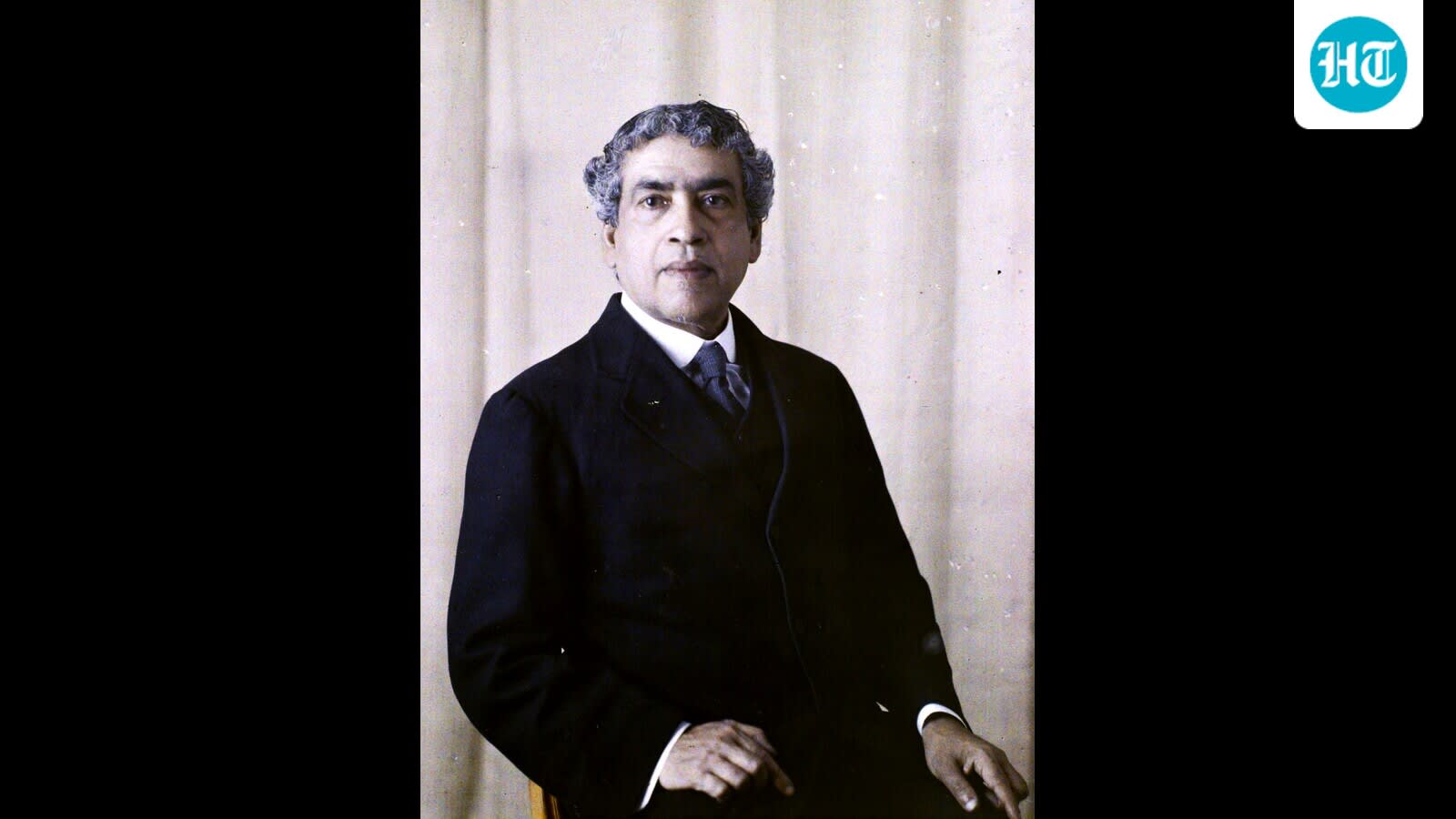
Sumana Roy’s translation of Jagadish Chandra Bose’s 'Abyakta' offers a fresh perspective on the scientist’s pioneering work in plant physiology. The collection highlights how Bose’s observations of the Mimosa pudica led to his groundbreaking discoveries regarding plant communication and response.
Rediscovering a Scientific Pioneer: The Legacy of J.C. Bose
The history of science is often dominated by Western narratives, such as the legendary tale of Isaac Newton and the falling apple. However, the release of The Man Who Made Plants Write, a collection of essays by the polymath Jagadish Chandra Bose translated by Sumana Roy, seeks to rebalance this historical canon. By highlighting Bose’s work, Roy invites modern readers to acknowledge a figure whose contributions to plant physiology are as foundational as those of his better-known contemporaries.
The Mimosa Pudica: A Catalyst for Discovery
At the heart of the narrative is the Mimosa pudica, commonly known as the 'touch-me-not' plant. Much like the apple in Newton’s story, the plant served as a critical catalyst for Bose. Upon observing the plant’s immediate leaf-folding response to touch, Bose was struck by a profound curiosity that transcended simple observation. This moment transformed into a lifelong pursuit of understanding how plants perceive and react to their environment, effectively pioneering the study of plant neurobiology long before it was a recognized field.
Breaking Language Barriers Through Translation
One of the most significant aspects of The Man Who Made Plants Write is the translation of Bose’s original Bangla work, Abyakta. Scientific literature from non-Western origins is frequently inaccessible to the global scientific community due to linguistic divides. By rendering Bose’s lyrical prose into English, Sumana Roy bridges a gap that has historically marginalized the contributions of Indian scientists. This translation does more than translate words; it captures the philosophical and inquisitive spirit of Bose’s research.
Challenging the Boundaries of Biology
Bose’s work was not merely about observation but about challenging the rigid boundaries between the animate and the inanimate. His experiments focused on the communication systems within plants, suggesting that they possess a sensitivity akin to that of animals. This radical perspective invited scrutiny and debate during his time, yet it laid the groundwork for contemporary research into plant signaling and stress responses. The synthesis of his essays reveals a mind that viewed the natural world as a cohesive, interconnected system.
Educational Implications and Future Trends
For modern students of science, Bose’s story is essential. It serves as a reminder that scientific discovery is rarely a solitary event but a process of persistent questioning. As we move toward an era of climate change and environmental awareness, the study of how plants interact with their environment is more relevant than ever. Integrating such narratives into science education encourages a more holistic approach to biology, fostering a generation of researchers who appreciate the complexity of flora.
Conclusion
The Man Who Made Plants Write is more than a historical account; it is a vital contribution to the history of science. By documenting the journey of Jagadish Chandra Bose, Sumana Roy ensures that his intellectual legacy remains vibrant. As we continue to uncover the mysteries of plant intelligence, Bose’s foundational work reminds us that the answers to complex questions often lie in the simple, observant act of looking at the world around us.
Verification Required?