Cheetah vs leopard: How to tell the difference
Source Entity
The Indian Express
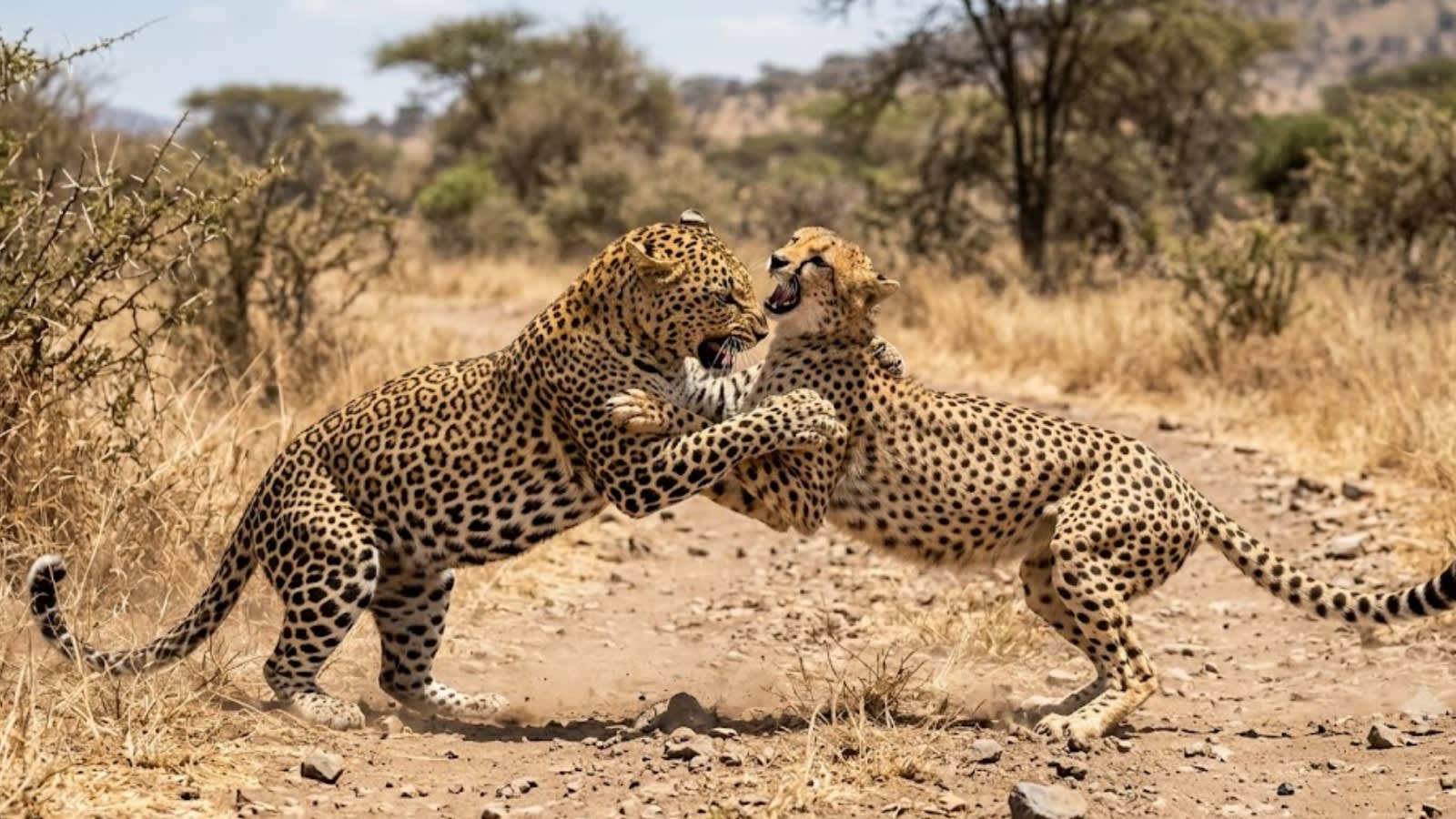
Cheetahs and leopards are distinct wild cats evolved for different survival strategies. While cheetahs are built for high-speed chases in open terrain, leopards rely on strength and stealth for ambush hunting.
Understanding the Evolutionary Divide: Cheetahs vs. Leopards
While both cheetahs and leopards are frequently conflated due to their iconic spotted coats, they represent two distinct evolutionary paths within the Felidae family. As wildlife expert Indrajit Ghorpade notes, the superficial similarity of their patterns masks significant biological differences that have evolved over millennia to suit divergent ecological niches. Understanding these differences is not merely a matter of semantics; it is essential for wildlife conservation and accurate ecological monitoring.
The Anatomy of a Sprinter: The Cheetah
The cheetah (Acinonyx jubatus) is the quintessential master of the open savannah. Its body is highly specialized for explosive, high-speed locomotion, characterized by a lightweight, aerodynamic frame, a flexible spine, and semi-retractable claws that function like running spikes. These physiological traits allow the cheetah to reach extreme speeds in short, daylight bursts, which is a necessary strategy for hunting in open grasslands where cover is minimal.
The Master of Stealth: The Leopard
In contrast, the leopard (Panthera pardus) is a robust, stocky ambush predator. Unlike the cheetah, the leopard’s anatomy is optimized for power, muscularity, and vertical agility. Its ability to climb trees with heavy prey is a hallmark of its survival strategy, allowing it to protect its food from competitors in dense habitats. This difference in build—leopard as a powerhouse versus cheetah as a sprinter—defines their respective roles in the ecosystem.
Behavioral and Habitat Dichotomies
The behavioral adaptations of these cats further emphasize their evolutionary split. Cheetahs are primarily diurnal hunters, utilizing the daylight hours to scan for prey in environments where they can outrun them. Leopards, however, are masters of the night and dense cover, utilizing stealth and camouflage to stalk prey at close range. These strategies dictate not only how they move but also where they choose to reside.
Why Identification Matters
Distinguishing between these species is vital for field researchers and wildlife enthusiasts. By observing physical features, gait, and specific coat patterns—such as the cheetah’s distinctive 'tear marks' running from the eyes to the mouth—observers can better understand the population health and territory usage of these predators. Misidentification can lead to incorrect data collection, which ultimately hinders targeted conservation efforts aimed at protecting these vulnerable wild cats.
Concluding Perspectives on Conservation
As we continue to manage natural habitats, recognizing the unique requirements of both the cheetah and the leopard is paramount. The cheetah’s reliance on open, fragmented landscapes makes it particularly susceptible to habitat loss, while the leopard’s adaptability allows it to persist in more varied environments. By appreciating the biological nuance between these two species, we can foster a deeper understanding of the complexities inherent in wildlife management and the critical need to preserve the diverse niches they occupy.