Hansraj College, University of Chicago explore joint research on radiopharmaceutical chemistry
Source Entity
The Indian Express
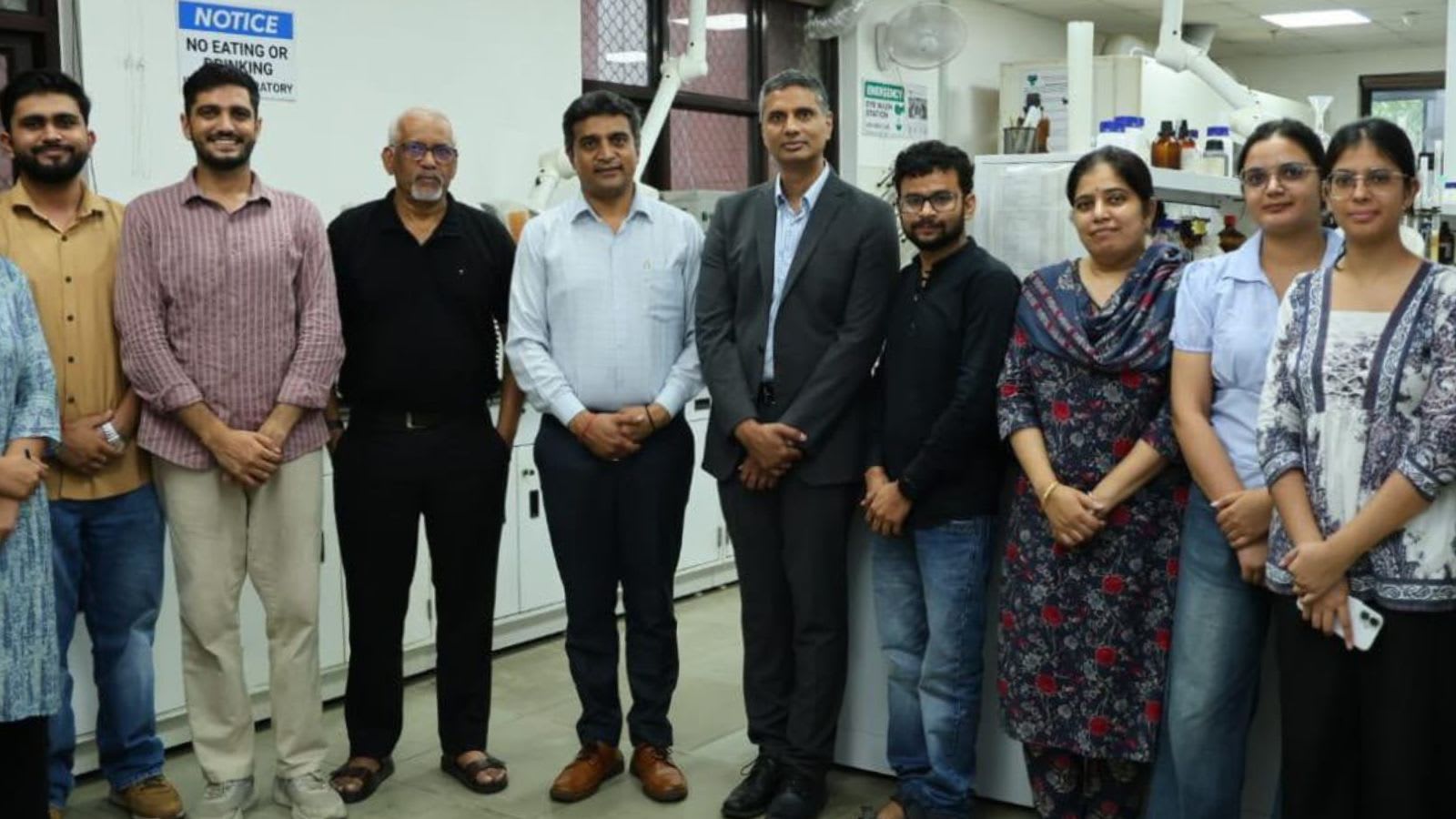
Hansraj College and the University of Chicago are initiating a collaborative partnership to advance radiopharmaceutical chemistry. The project focuses on developing next-generation PET tracers to improve molecular imaging and biomedical research capabilities.
Bridging Global Expertise in Radiopharmaceutical Chemistry
Hansraj College, a premier constituent of the University of Delhi, has embarked on a significant academic endeavor by initiating discussions for a research collaboration with the University of Chicago. This partnership aims to bridge international expertise in the specialized field of radiopharmaceutical chemistry, specifically targeting the development of next-generation Positron Emission Tomography (PET) tracers. By connecting the H.G. Khorana Centre for Chemical Biology at Hansraj College with the sophisticated research infrastructure at the University of Chicago, both institutions seek to push the boundaries of molecular imaging.
The Strategic Focus of the Collaboration
The core of this proposed initiative lies in the technical advancement of PET tracers, which are fundamental tools in modern medical diagnostics and biochemical research. Led by Prof. Brijesh Rathi at Hansraj College and supported by the expertise of Prof. Satish Chitneni from the University of Chicago’s Cyclotron Facility, the collaboration intends to map intricate biochemical pathways with greater precision. This focus is critical, as the development of novel tracers allows for clearer visualization of physiological processes at a molecular level, potentially transforming how researchers investigate complex diseases.
Institutional Synergy and Infrastructure
A pivotal moment in this development occurred during the visit of Prof. Satish Chitneni to the Hansraj College campus. This face-to-face engagement provided a platform to align the research goals of the Department of Chemistry at Hansraj with the advanced radiopharmaceutical capabilities of the University of Chicago. The integration of a leading Indian academic institution with a top-tier global university highlights a growing trend of internationalizing scientific research, where shared infrastructure and intellectual resources are leveraged to solve complex biological challenges.
Implications for Molecular Imaging
The development of next-generation PET tracers carries profound implications for the future of biomedical research. Current imaging technologies rely heavily on existing tracer molecules; however, the pursuit of more specific, high-affinity tracers can lead to earlier detection of pathologies and more accurate monitoring of therapeutic responses. By focusing on biochemical pathway mapping, this collaboration addresses a critical gap in current diagnostic methodologies, potentially leading to breakthroughs in localized molecular diagnostics.
Future Trends and Scientific Impact
Looking ahead, this partnership could serve as a model for future Indo-US academic collaborations. As the global scientific community moves toward more interdisciplinary approaches, the fusion of chemical biology and cyclotron-based radiopharmacy is expected to yield significant academic output. If successful, this collaboration will not only enhance the research capacity at Hansraj College but also contribute to the global repository of knowledge regarding tracer development and molecular imaging, ultimately fostering a new generation of scientists trained in high-level radiopharmaceutical techniques.