In a first, sitting SC judge flags corruption charges against HC chief justice
Source Entity
Latest News: Todays Latest News Headlines from India & World | Hindustan Times | Hindustan Times
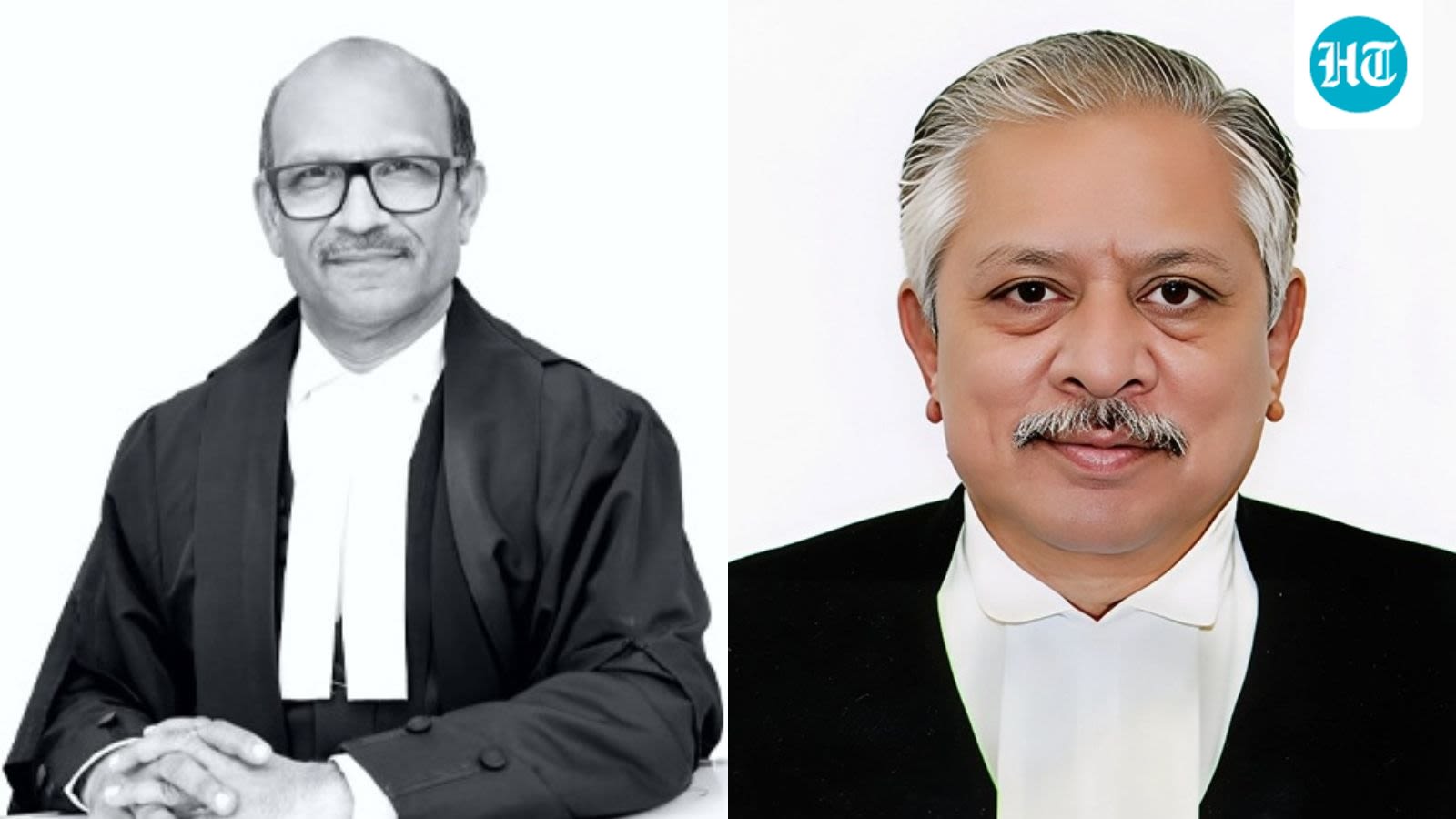
Supreme Court Justice Sandeep Mehta has leveled serious allegations of corruption and maladministration against Rajasthan High Court Acting Chief Justice S.P. Sharma. Chief Justice of India Surya Kant has sought a formal response from both parties to address the dispute through established institutional mechanisms.
Internal Judicial Conflict: A Rare Confrontation
In an extraordinary development within the Indian judiciary, Supreme Court Justice Sandeep Mehta has formally leveled serious allegations against the Acting Chief Justice (ACJ) of the Rajasthan High Court, Sanjeev Prakash Sharma. Through a series of three letters addressed to Chief Justice of India (CJI) Surya Kant in August, Justice Mehta has characterized the current administrative state of the Rajasthan High Court as one suffering from “gross maladministration,” “nepotism,” and “favouritism.”
The Nature of the Allegations
Justice Mehta’s correspondence specifically highlights a perceived misuse of roster powers and administrative decision-making that he claims has disproportionately benefitted influential lawyers and litigants. By describing the situation as a “carnage” threatening the integrity of the institution, Justice Mehta has urged the Supreme Court Collegium to act swiftly, requesting the immediate transfer of the ACJ and the appointment of a permanent Chief Justice from outside the state of Rajasthan.
The Response of the CJI
Chief Justice of India Surya Kant has adopted a measured, procedural approach to this high-stakes internal dispute. Emphasizing the sanctity of the judicial institution, CJI Kant has explicitly rejected the notion of settling such sensitive matters through public discourse or media influence. Instead, he has sought formal responses from both Justice Mehta and ACJ S.P. Sharma, ensuring that the principles of natural justice—specifically the right to be heard—are upheld before any administrative action is considered.
Institutional Integrity and Collegium Oversight
This confrontation occurs against the backdrop of the Collegium’s ongoing deliberations regarding the appointment of permanent Chief Justices to various High Courts across India. The involvement of a sitting Supreme Court judge in flagging such specific grievances against a High Court leader is a rare instance of internal oversight. It highlights the complexities involved in maintaining judicial discipline and administrative accountability within the hierarchical structure of the Indian court system.
Broader Implications for Judicial Reform
While the specific case remains under the purview of the CJI, the event underscores the critical importance of robust internal mechanisms for grievance redressal. The emphasis on avoiding “competing claims in the media” reflects the judiciary’s desire to shield itself from external perception issues while resolving internal friction. Future trends in judicial administration will likely prioritize more transparent, yet strictly internal, checks and balances to prevent such public escalations.
Conclusion
As the Collegium continues its review, the resolution of this matter will serve as a test for the current leadership’s ability to manage internal dissent. By adhering to established protocols rather than reacting to external pressure, the CJI aims to preserve the institutional dignity of the High Court while addressing the grave concerns raised by Justice Mehta. The outcome will ultimately determine the leadership structure of the Rajasthan High Court as it moves toward the retirement of Justice Sharma in September.
Verification Required?