Munnar landscape accounts for highest number of deaths in wild elephant attacks in Keralam
Source Entity
India Latest News: Top National Headlines Today & Breaking News | The Hindu
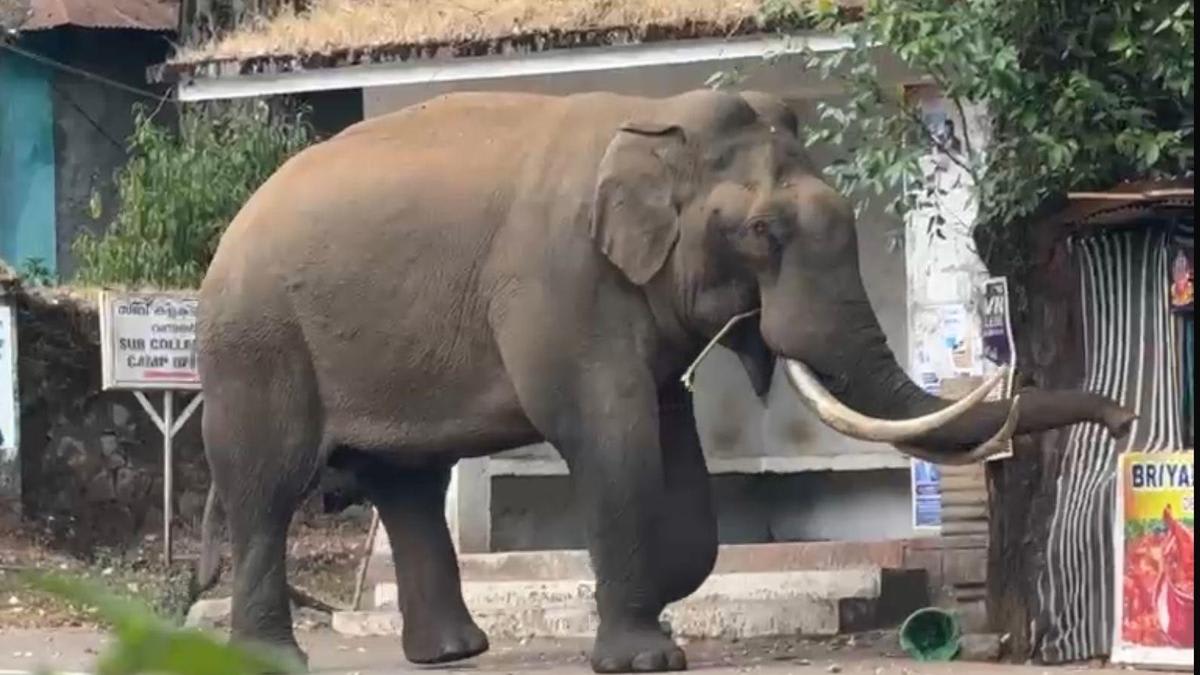
A Wildlife Institute of India study reveals that Munnar is the deadliest region in Kerala for human-elephant conflict, accounting for 103 of the 581 recorded fatalities over 18 years. These findings highlight the urgent need for better mitigation strategies to address the rising human-elephant conflict in the state.
The Escalating Crisis of Human-Elephant Conflict in Kerala
A recent comprehensive study conducted by the Wildlife Institute of India (WII), with the support of the Union Ministry of Environment, Forest and Climate Change, has brought to light a harrowing trend in Kerala’s wildlife management. Between 2008 and 2025, the state witnessed 1,781 human-elephant conflict (HEC) incidents, resulting in 581 human fatalities and 1,200 injuries. These figures serve as a grim reminder of the intensifying struggle for space between human settlements and the state’s wild elephant population, which currently stands at 2,785 individuals according to the Synchronised All India Elephant Estimation (SAIEE).
Munnar: The Epicenter of Conflict
Among the various regions analyzed, the Munnar landscape has emerged as the most dangerous, recording 103 deaths over the 18-year period. This disproportionately high number suggests that the unique geographical and human-activity profile of Munnar creates a 'hotspot' for conflict. The convergence of plantation environments, fragmented forest corridors, and human footfall in this region likely contributes to the high frequency of fatal encounters.
Analyzing the Temporal Patterns
By examining the data from 2008 to 2025, the WII study sought to identify seasonal patterns that correlate with these tragic events. Human-elephant conflicts are often seasonal, tied to the availability of crops, water sources, and migratory patterns of the elephants. Identifying these specific windows of time is crucial for developing proactive warning systems for local communities, allowing for better mitigation efforts during peak conflict periods.
The Broader Environmental Context
With a total population of 2,785 elephants in Kerala, the pressure on the state’s forest fringes is immense. The data highlights that HEC is not merely an isolated local issue but a state-wide challenge that reflects broader trends in habitat loss and corridor fragmentation. As elephants navigate traditional migratory paths that now overlap with human-occupied landscapes, the likelihood of fatal interactions increases, necessitating a more robust approach to wildlife corridor management.
Future Implications and Mitigation
Moving forward, the findings of the WII study must serve as a blueprint for policy intervention. The government's focus should shift toward long-term landscape-level planning that considers both human safety and wildlife conservation. This involves strengthening forest monitoring, improving early-warning communication for residents in high-risk zones like Munnar, and investing in physical or biological barriers that minimize accidental encounters.
Conclusion
The human cost of 581 lives lost over the past 18 years is a sobering statistic that demands immediate administrative and ecological action. By utilizing the granular data provided by the Wildlife Institute of India, authorities can implement targeted interventions in the Munnar landscape and beyond, striving to achieve a sustainable coexistence between Kerala’s human population and its wild elephant herds.
Verification Required?