
The Blunt Instrument of the Calorie
For decades, the global approach to weight management and health has been governed by a simple, reductive equation: calories in versus calories out. It is a thermodynamic model that treats the human body like a combustion engine. But the engine is not a static machine; it is a dynamic biological system governed by hormones, gut microbiota, and genetic predispositions. Why does a 500-calorie bowl of processed cereal trigger a massive insulin spike in one person while leaving another virtually untouched? The calorie count is identical, but the biological cost is worlds apart.
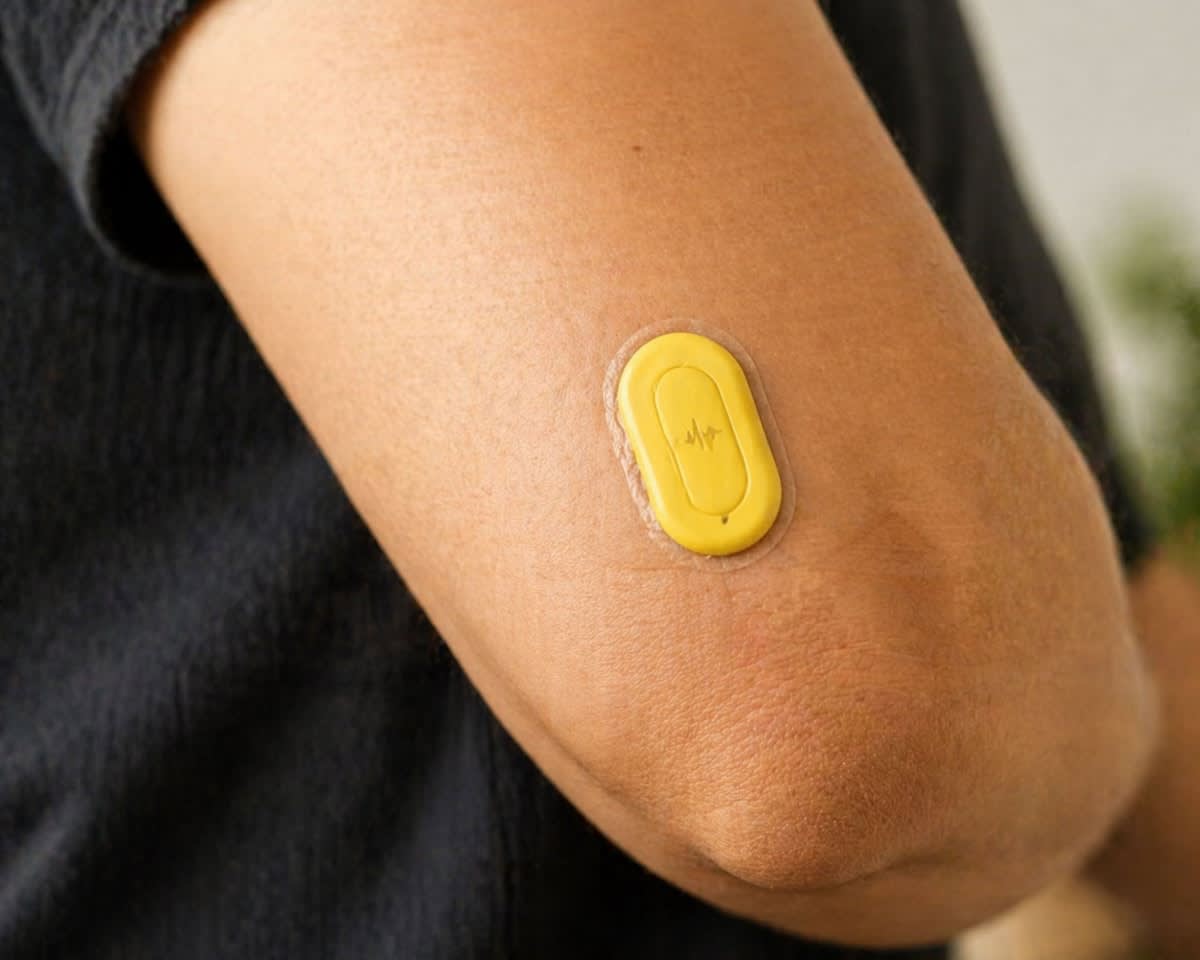
We are seeing a rapid migration toward metabolic precision—a framework that prioritizes how a specific food affects an individual's blood glucose and insulin response over the raw energy value of the food. This is not a gradual evolution; it is a sudden pivot. The catalyst is the migration of medical-grade hardware into the consumer wellness market. We have moved from periodic fasting-blood-glucose tests—which provide a single, static snapshot—to a high-definition movie of our internal chemistry playing out in real-time on a smartphone screen.
The Delta: From Clinical Necessity to Performance Optimization
Twelve months ago, the conversation around Continuous Glucose Monitors (CGMs) was largely confined to Type 1 and Type 2 diabetes management. The narrative was one of survival and stability. Today, the delta is staggering. The conversation has shifted to 'metabolic flexibility' and 'glucose variability' among elite athletes in the UK, corporate executives in Singapore, and longevity enthusiasts in the United States. The objective is no longer just avoiding hyperglycemia, but optimizing the 'glucose curve' to prevent energy crashes and long-term systemic inflammation.
The market reflects this urgency. The global CGM market was valued at approximately 7.5 billion USD in 2023 and is projected to grow at a compound annual growth rate (CAGR) of over 10% through 2030 (Source: Grand View Research, 2023). This growth isn't just coming from increased diabetes prevalence, but from a surge in non-diabetic users who are paying out-of-pocket to understand their unique biological responses to carbohydrates and stress.
"The obsession with calories is a relic of early 20th-century nutrition. The future of health is not about counting units of energy, but about managing the hormonal response to that energy. When we track glucose in real-time, we stop guessing and start observing."— Dr. Peter Attia, Founding Partner at EarlyMetric
This shift is creating a new class of 'biological literacy.' Users are discovering that 'healthy' foods, like oatmeal or grapes, can cause catastrophic glucose spikes for some, while 'unhealthy' fats might have a negligible impact on others. This realization is dismantling the concept of the universal diet. If the biological response is individualized, then the dietary guidelines must be individualized as well.
Across different regions, the adoption varies but the trend is universal. In Japan, where metabolic syndrome is a primary public health focus, there is a growing integration of these trackers with traditional dietary patterns. Meanwhile, in Northern Europe, the focus has shifted toward using real-time data to optimize athletic recovery and cognitive performance during high-stress work cycles.
The Practitioner’s Friction: Theory vs. Biology
On the ground, this transition is creating significant friction within the medical community. I have sat in clinics where traditional registered dietitians and new-age metabolic health coaches clash over a single patient's data. The dietitian points to the established guidelines—the 'food pyramid' or the 'plate method'—while the coach points to a jagged glucose spike on a CGM graph. The debate is no longer about whether the patient is eating enough fiber, but why their blood sugar is skyrocketing after a meal that is 'textbook' healthy.
Practitioners are currently debating the 'noise' versus the 'signal.' Some argue that transient glucose spikes are harmless if the body clears them quickly, while others contend that these spikes are the primary drivers of insulin resistance and cellular aging. This tension is where the real innovation is happening. We are moving away from population-level averages and toward N-of-1 trials, where the patient is the only relevant data point.
| Metric | Traditional Calorie Model | Metabolic Precision Model |
|---|---|---|
| Primary Goal | Energy Balance (Weight Loss) | Glycemic Stability (Healthspan) |
| Measurement Tool | Food Logs / Apps | CGMs / Wearables |
| View of Food | Sum of Macros/Calories | Hormonal Trigger |
| Feedback Loop | Delayed (Scale/Mirror) | Instant (Real-time Graph) |
| Prescription | Standardized Guidelines | Personalized Bio-feedback |
This is not merely a change in tools; it is a change in psychology. The delay between action (eating) and result (weight change) in the calorie model is too long for most humans to maintain discipline. Metabolic precision provides an immediate dopamine hit—or a warning sign—within minutes of a meal. This tight feedback loop is what accelerates behavioral change far more effectively than any printed meal plan.
The Architecture of Real-Time Tracking
The technical infrastructure enabling this shift relies on interstitial fluid sensing. Unlike finger-prick tests that measure capillary blood, CGMs use a tiny filament to measure glucose levels in the fluid surrounding the cells. While there is a slight lag—usually 5 to 15 minutes—the trend line is what matters. The ability to see the slope of the curve allows users to implement 'glucose hacks,' such as taking a ten-minute walk after a meal to flatten the spike (Source: American Diabetes Association, 2023).
- Glucose Variability: The frequency and amplitude of blood sugar swings throughout the day.
- Time in Range (TIR): The percentage of time glucose remains within a healthy target window.
- Postprandial Response: The specific peak and recovery time following a meal.
- Insulin Sensitivity: The body's efficiency in using insulin to lower blood glucose.
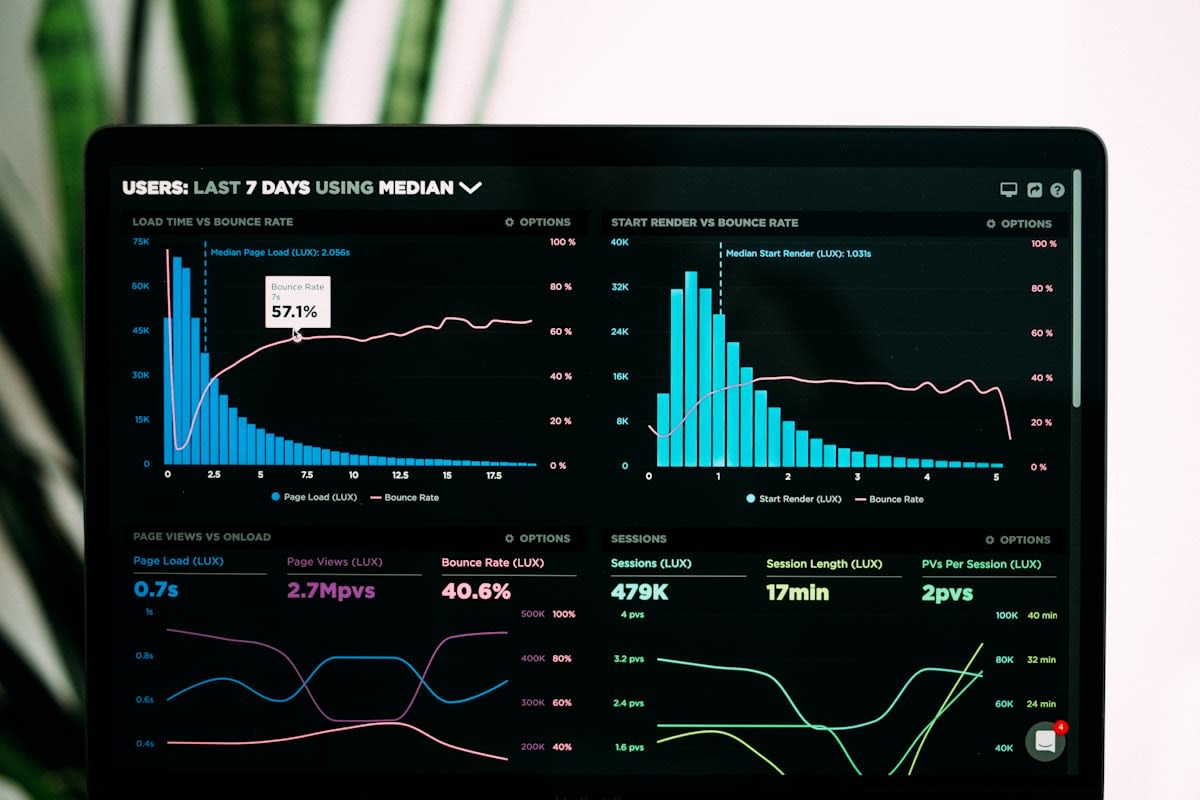
As we look forward, the integration of glucose data with other biomarkers—such as heart rate variability (HRV), sleep quality, and continuous ketone monitoring—will create a holistic 'metabolic dashboard.' We are approaching a point where your wearable will not just tell you that you slept poorly, but that you slept poorly because your blood sugar crashed at 3 AM, triggering a cortisol spike.
The implication for the food industry is profound. We are moving toward a world where 'low calorie' is a meaningless claim. The new gold standard will be 'low glycemic impact,' verified by real-world user data. Companies that fail to adapt to this transparency will find their products rejected by a consumer base that can see the biological damage of their ingredients in real-time.
Fact-Check & Accuracy Note
This article relies on market data from Grand View Research (2023) and clinical guidelines from the American Diabetes Association (2023). The shift from clinical to consumer use of CGMs is a documented industry trend, though the long-term health outcomes for non-diabetics using these devices remain a subject of active clinical debate and ongoing longitudinal studies.
Editorial Governance
Editorial Note: The author has spent over a decade interviewing metabolic health researchers and has observed the transition of CGMs from hospital wards to executive boardrooms. The perspective provided reflects a synthesis of industry shifts and practitioner friction observed globally.