4,133 schools in Bengal have no students but 19,502 teachers: Central report
Source Entity
Atri Mitra
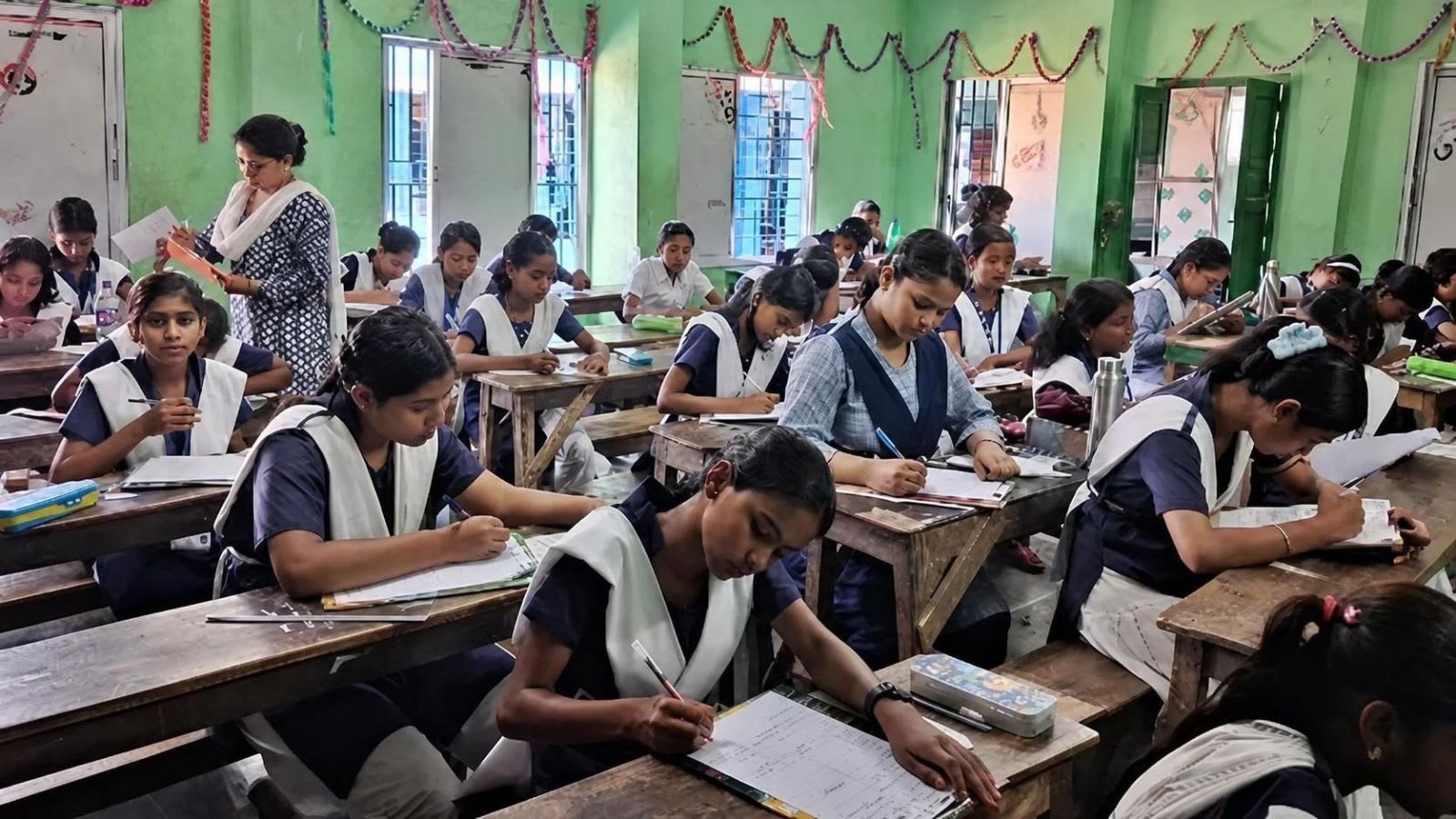
A recent UDISE+ report reveals that West Bengal accounts for over 70% of India's student-less schools, with 4,133 schools employing 19,502 teachers. Conversely, the state faces a significant imbalance with 6,769 single-teacher schools serving nearly 230,000 students.
Disparity in West Bengal Education: An Analytical Overview
A startling report from the central government’s Unified District Information System for Education Plus (UDISE+) for 2025-26 has brought to light a severe structural inefficiency within the educational framework of West Bengal. The data indicates that 4,133 schools in the state currently have zero student enrollment, yet these institutions remain staffed by 19,502 teachers. This revelation highlights a massive misallocation of human resources in a state-run system that is simultaneously struggling with severe staffing shortages in functional schools.
The Scale of the Crisis
To contextualize the severity of this issue, the national figures show that there are 5,663 student-less schools across India. West Bengal alone accounts for 4,133 of these, representing roughly 73% of the national total. In stark contrast, Uttar Pradesh, which ranks second, reports only 313 such schools with 177 teachers. This statistical dominance suggests that the issue in West Bengal is not merely an isolated bureaucratic oversight but a systemic failure in the state's education management and reporting infrastructure.
The Inverse Problem: Single-Teacher Schools
Perhaps more concerning than the existence of ghost schools is the condition of schools that are actually serving students. The report identifies 6,769 single-teacher schools in West Bengal that are responsible for the education of 2,29,569 students. The juxtaposition of nearly 20,000 teachers assigned to empty buildings while over 200,000 students are served by solitary educators creates a profound pedagogical crisis. This imbalance suggests a lack of rationalization in teacher deployment policies, potentially depriving thousands of children of adequate instructional time and support.
Administrative Explanations and Data Integrity
School Education Minister Dipak Barman has addressed these findings by attributing the discrepancies to data entry errors, particularly citing mistakes made by private schools during the upload process. However, the sheer volume of 19,502 teachers linked to student-less schools raises questions regarding the oversight mechanism of the state education department. If these figures are indeed the result of clerical errors, it reflects a significant lapse in the verification process of the UDISE+ data, which is a critical tool for national educational planning.
Broader Implications and Future Trends
This situation poses a significant challenge for the future of education in West Bengal. If the data is accurate, the state faces an urgent need for a massive rationalization drive to redeploy teachers from non-functional schools to those with high enrollment and low staffing. Failure to correct these imbalances will likely continue to hinder the quality of education provided to the state's student population. Moving forward, authorities will need to ensure more rigorous auditing of school data to prevent such extreme disparities from recurring, as accurate information is the cornerstone of effective educational policy reform.