Children being treated worse than animals: CJP writes to state governments, seeks data on school infrastructure
Source Entity
India Latest News: Top National Headlines Today & Breaking News | The Hindu
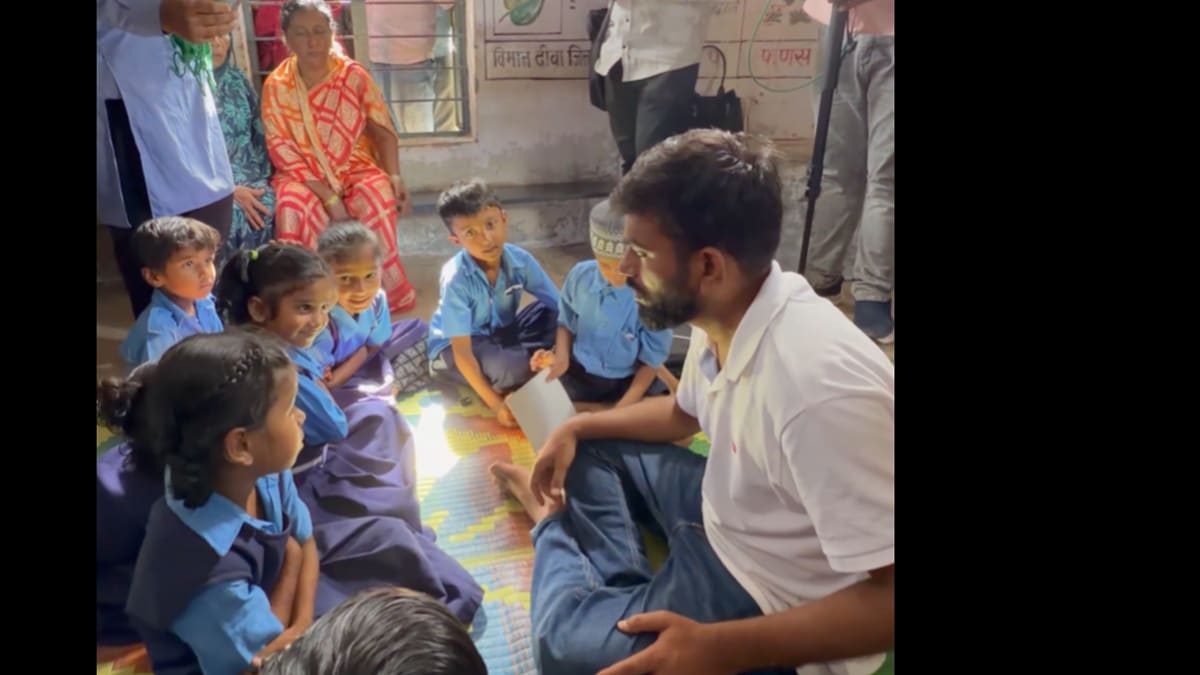
The Cockroach Janta Party (CJP) has demanded detailed infrastructure and funding data from state governments to address the deplorable state of public schools. Founder Abhijeet Dipke condemned the lack of basic amenities, asserting that such conditions are unacceptable 80 years post-Independence.
The State of Indian Public Education: A Call for Accountability
On August 24, 2026, the Cockroach Janta Party (CJP) launched a significant push for educational transparency by issuing formal letters to all state governments in India. The party, led by founder Abhijeet Dipke, has placed the systemic failure of state-run schools at the forefront of its political agenda. By formally requesting data on infrastructure, teacher vacancies, and fiscal allocations from the past five years, the CJP aims to transition from anecdotal social media criticism to a data-driven demand for policy reform.
The Crisis of Basic Infrastructure
The impetus for this campaign stems from harrowing visuals circulating across social media platforms, which depict government schools operating without the most fundamental requirements of a learning environment. The reports highlight a pervasive lack of safe drinking water, non-functional sanitation facilities, and classrooms that fail to provide even basic seating. For many students, the absence of these amenities creates an environment that is not only detrimental to academic achievement but also compromises their basic human dignity.
Historical Context and Political Rhetoric
Mr. Dipke’s statement, noting that "it has been 80 years since India gained Independence," serves as a stark indictment of the progress made in the public education sector. This historical framing highlights the widening gap between the constitutional mandate of the Right to Education and the reality faced by millions of children in rural and impoverished urban areas. By characterizing the current state of these schools as "worse than animals," the CJP utilizes aggressive rhetoric to force a national conversation on the prioritization of social infrastructure over other governmental expenditures.
Implications of Teacher Vacancies and Funding
Beyond the physical state of school buildings, the CJP’s request for data on teacher vacancies underscores a critical bottleneck in the Indian education system. A school building without adequate staffing is merely an empty structure; therefore, the investigation into vacancy rates is essential for understanding why educational outcomes remain stagnant in many regions. The request for funding data suggests the CJP intends to analyze whether the issue lies in the total lack of capital or in the gross mismanagement and misappropriation of allocated resources.
Future Trends and Institutional Pressure
Should the state governments comply with these requests, the resulting dataset could provide a comprehensive map of educational neglect, potentially serving as a roadmap for future litigation or policy advocacy. If the governments choose to ignore this request, it may further embolden the CJP’s campaign, likely leading to increased public demonstrations and legal challenges. This development signals a growing trend where political organizations leverage digital evidence to demand administrative transparency, placing unprecedented pressure on state education departments to account for their long-standing failures.
Verification Required?