Phone theft claim sparks clash at Andhra nursing hostel; Northeast students shifted
Source Entity
Sreenivas Janyala
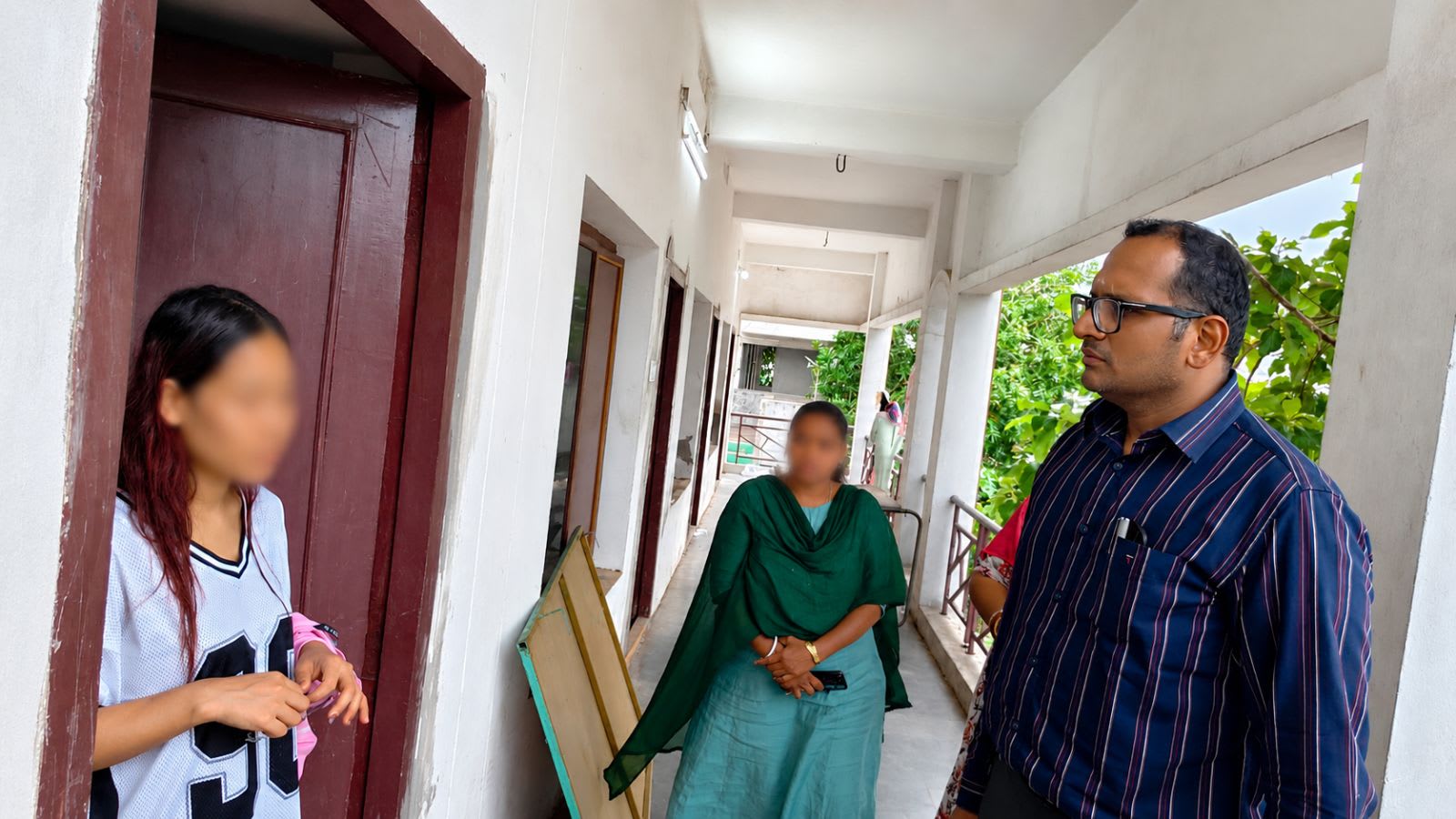
A dispute over a stolen mobile phone at a Kakinada nursing college escalated into a clash between local and North Eastern students. Authorities have since intervened, relocated students, and are conducting further mediation.
Tensions Erupt at Kakinada Nursing College
A minor incident involving a missing mobile phone at the S.K. College of Nursing in Kakinada, Andhra Pradesh, rapidly escalated into a physical confrontation between local students and those hailing from the North Eastern states of Manipur and Nagaland. The altercation, which took place on August 22, 2026, highlights the fragility of inter-regional social dynamics within educational institutions when communication breakdowns occur. The incident began when North Eastern students reported a theft to the Sarpavaram police, a move that local students reportedly perceived negatively, leading to a direct clash.
The Role of Rapid Escalation
The transition from a singular dispute over property to a wider hostel-based conflict underscores how quickly communal tensions can manifest in diverse student environments. When the local student body learned of the police complaint, the atmosphere within the hostel shifted from a manageable grievance to a broader confrontation. This resulted in physical violence, leaving one girl with head injuries that required medical attention at the Government General Hospital in Kakinada, serving as a stark reminder of the safety risks inherent in such campus disputes.
Administrative and Political Intervention
The severity of the situation necessitated immediate high-level intervention. Collector M N Harendhira Prasad and Superintendent of Police Bindu Madhav arrived on the scene to restore order. By meeting with the student groups and successfully recovering the missing mobile phone, the officials were able to de-escalate the immediate crisis. The involvement of Manipur’s Chief Minister, Yumnam Khemchand, who was alerted by students concerned for their safety, demonstrates the national-level sensitivity surrounding the welfare of students from the North East studying in other parts of India.
Precautionary Measures and Campus Safety
To prevent further volatility, the district administration took the decisive step of segregating the student populations. By temporarily shifting 31 students from Manipur and Nagaland to a secure facility and relocating the local student body, the authorities have implemented a 'cooling-off' period. This strategy is essential for maintaining order while investigations continue and long-term resolutions are sought through scheduled dialogues.
Broader Implications and Future Outlook
This incident in Kakinada reflects a broader trend of challenges faced by students migrating across India for professional education. Educational institutions often serve as microcosms of regional and cultural diversity, but they require robust grievance redressal mechanisms to ensure that minor disputes do not devolve into regional friction. Moving forward, the success of the upcoming negotiations scheduled for August 23 will be critical. The administration’s ability to foster a secure environment for students from all backgrounds will be the benchmark for restoring confidence in the institution’s management.
Conclusion
While the situation is currently under control, the Kakinada incident serves as a cautionary tale for administrators nationwide. The swift response by local authorities prevented the situation from spiraling further, but the underlying need for cultural sensitivity and effective conflict resolution remains. Ensuring that students from diverse regions feel protected and supported is paramount to maintaining the integrity and safety of educational campuses across India.