Creamy layer: Centre asks Supreme Court to clarify its order to consider claims of 100-odd OBC candidates
Source Entity
Shyamlal Yadav
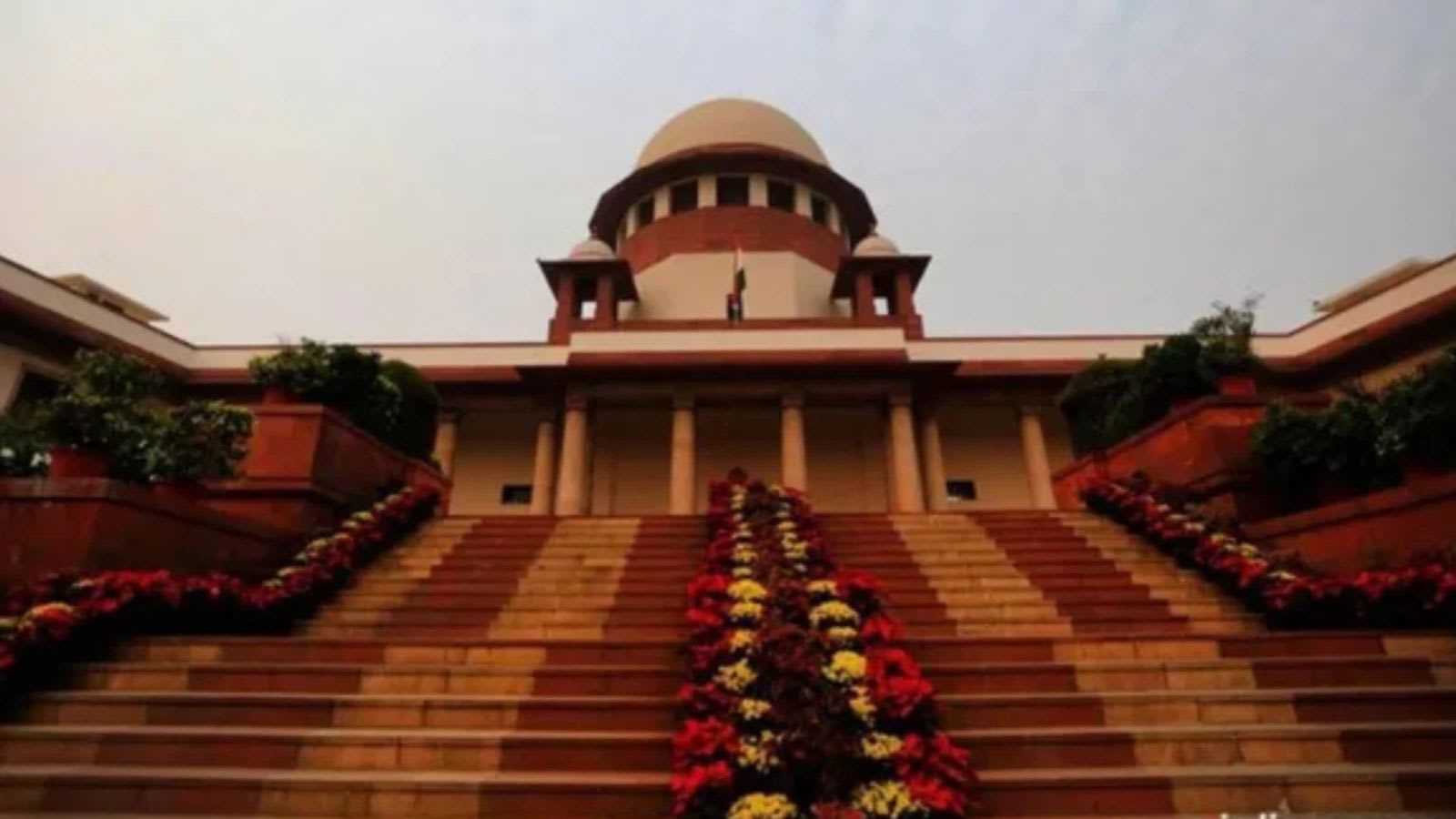
The Centre has sought Supreme Court clarifications regarding the implementation of a creamy layer verdict for 100 OBC candidates. Simultaneously, the Supreme Court is reviewing a plea to reduce NEET-SS cut-offs for in-service doctors to address vacant seats in Tamil Nadu.
Legal Interventions in Indian Administrative and Medical Admissions
The Indian legal landscape is currently navigating two significant challenges regarding the intersection of reservation policies and professional administrative and medical recruitment. The Union Government’s recent move to seek clarification from the Supreme Court regarding the 'creamy layer' status of nearly 100 OBC candidates selected for Civil Services Examinations (CSE) reflects the complexity of balancing affirmative action mandates with bureaucratic departmental standards. Simultaneously, the judiciary is addressing a plea from the Tamil Nadu Medical Officers Association concerning the NEET-SS qualifying criteria, highlighting the persistent tension between centralized medical education standards and state-level healthcare staffing needs.
The OBC Creamy Layer Conundrum
The Department of Personnel and Training (DoPT) has approached the Supreme Court seeking specific directions on a March 11 judgment that mandated the reconsideration of approximately 100 OBC candidates rejected under the 'creamy layer' criteria. Despite the DoPT having reportedly completed the document verification process for these candidates, the request for clarification suggests lingering procedural uncertainties before the upcoming Foundation Course at the Lal Bahadur Shastri National Academy of Administration. This situation underscores the administrative friction that occurs when judicial directives necessitate a departure from established departmental scrutiny norms.
Implications for Civil Services Recruitment
The timing of this legal intervention is critical, as the government prepares for the CSE-2025 batch. The 'creamy layer' concept, which excludes affluent sections of the Other Backward Classes from reservation benefits, remains a cornerstone of India’s social justice policy. However, the application of this criteria in the context of CSE selections has led to a protracted legal struggle. If the Supreme Court provides the requested directions, it will likely set a precedent for how future selection cycles handle candidates whose eligibility might have been contested under evolving interpretations of social stratification.
NEET-SS and the In-Service Quota Dispute
In a separate but parallel development, the Supreme Court bench headed by Justice P.S. Narasimha is examining the plea of the Tamil Nadu Medical Officers Association. The core of the dispute involves 40 vacant super-speciality seats that were part of a 152-seat transfer from the state to the central pool. The association argues that these unfilled seats should be returned to the state, citing the need for a reduced qualifying percentile to allow in-service doctors to fill these positions, thereby ensuring adequate staffing in specialized medical fields.
Balancing Centralized Standards and State Interests
The request to reduce the percentile for NEET-SS reflects a broader debate regarding the autonomy of states in managing their medical workforce. With 111 candidates currently awaiting a decision on the cut-off reduction, the judicial outcome will have immediate implications for the availability of specialized medical care within Tamil Nadu. The Centre’s acknowledgment that 40 seats remain vacant serves as the primary evidence for the petitioners, who argue that rigid national criteria should not override the practical necessity of filling in-service quotas.
Future Trends in Judicial Review
Both cases demonstrate the judiciary's increasingly pivotal role in mediating technical and policy-driven disputes between the Union government and professional associations or individuals. As India’s recruitment systems continue to evolve, the demand for legal clarity on reservation implementation and educational standards is likely to persist. The Supreme Court's upcoming decisions will not only resolve the immediate status of the 100 civil servants and the 40 medical seats but will also influence the administrative frameworks governing how these institutions handle future eligibility disputes.