Military Digest | Two forgotten Indian prisoners of war from Kargil conflict
Source Entity
Man Aman Singh Chhina
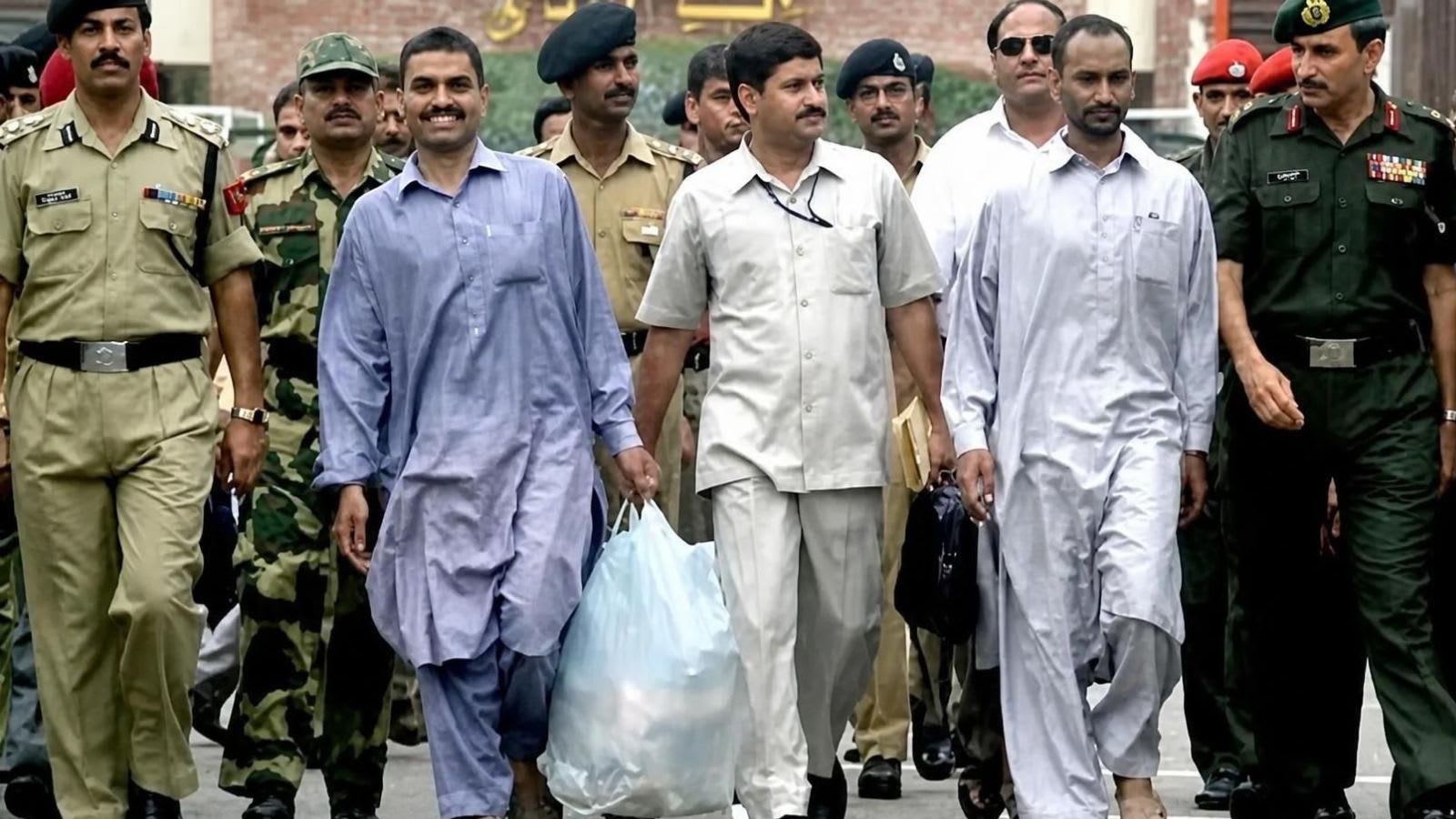
Lance Naik Jagsir Singh and Sapper Mohammed Arif, captured after the 1999 Kargil conflict, were wrongly labeled as deserters for years. Their story highlights significant administrative failures and the lasting personal trauma faced by soldiers caught in the complexities of the LoC.
The Forgotten Soldiers of Kargil: A Shadow Over Victory
Every year, Kargil Vijay Diwas serves as a poignant reminder of the bravery displayed by Indian soldiers along the rugged peaks of Ladakh. While the nation celebrates the heroes at the Drass war memorial, the narrative often glosses over the complex, and sometimes tragic, aftermath experienced by those who did not return to a hero's welcome. The case of Lance Naik Jagsir Singh and Sapper Mohammed Arif of the 108 Engineer Regiment serves as a somber counter-narrative to the standard patriotic discourse surrounding the 1999 conflict.
The Tragedy of Misclassification
Captured by Pakistani forces on September 17, 1999—well after the official cessation of hostilities—these two soldiers endured nearly five years of captivity. Their return to India via the Wagah-Attari border on August 9, 2004, should have been a moment of national reclamation. Instead, they returned to an environment of institutional suspicion. By being classified as deserters by their own regiment, these men suffered a secondary trauma that far outlasted their physical imprisonment, stripping them and their families of the honor and benefits typically afforded to those who serve at the Line of Control (LoC).
Institutional Failures and the LoC
The administrative failure to accurately track the status of Singh and Arif highlights the brutal realities of the LoC, where the line between missing in action and desertion can be blurred by poor communication and rigid bureaucracy. The 108 Engineer Regiment’s decision to label them as deserters suggests a catastrophic breakdown in intelligence and personnel management. This lapse not only abandoned the soldiers to their fate in foreign custody but also inflicted deep, lasting social and economic shame upon their families, who were left to grapple with the stigma of a dishonorable label.
The Human Cost of Prolonged Isolation
The ordeal of these two men serves as a case study in the personal devastation inherent in border skirmishes. Five years of isolation in a foreign prison is an immense psychological burden; to return home only to find that one's own institution has branded them as traitors is a unique form of cruelty. This situation underscores the necessity for better protocols in handling missing personnel, ensuring that soldiers who fall into enemy hands are not discarded by the very systems designed to protect them.
Broader Implications and Future Trends
This historical oversight challenges the Indian military and political establishment to re-evaluate how it treats those who fall through the cracks of official records. As India moves forward, the focus must shift from merely celebrating victory to ensuring that no soldier—regardless of the circumstances of their capture—is left behind or maligned by bureaucratic inertia. The story of Jagsir Singh and Mohammed Arif serves as a call for greater transparency, accountability, and empathy in the military's treatment of its own personnel.
Conclusion
Ultimately, the legacy of the Kargil conflict must be inclusive of all its casualties, including those who suffered long after the cannons fell silent. By acknowledging the plight of Jagsir Singh and Mohammed Arif, the state can begin to rectify the institutional failures that allowed their service to be eclipsed by a false label. Their story remains a vital, if uncomfortable, chapter in the history of the Indian Army, reminding us that true honor lies in the fair treatment of those who serve.