The Great Decoupling: Protein Without the Pipeline
The global cold chain is a dinosaur. For decades, the world has relied on a fragile, energy-intensive relay race of refrigerated trucks, ships, and warehouses to move calories from where they are grown to where they are eaten. It is a system defined by waste and vulnerability. When a single refrigeration unit fails in a transit hub, tons of protein vanish into landfills. Why are we still shipping water and ice across oceans? The answer is changing. We are witnessing a fundamental decoupling of protein production from geography.
Enter point-of-care (POC) protein production. This isn't about a futuristic pill; it's about the bioreactor moving into the kitchen or the neighborhood hub. Instead of importing a frozen fillet from the North Atlantic to a dinner plate in Singapore, the 'blueprint' for that protein is streamed digitally. A local bioreactor, fed with simple sugars and nutrients, synthesizes the protein on-site. The logistics shift from shipping physical mass to shipping information. This is the end of the refrigerated truck as the primary vector of nutrition.
The delta between last year and today is staggering. Twelve months ago, the industry conversation centered on 'Gigafactories'—massive, centralized plants designed to mimic the scale of traditional slaughterhouses. Today, the momentum has shifted toward distributed production. The goal is no longer to build a better factory, but to eliminate the factory entirely. We are moving from a 'hub-and-spoke' model to a 'mesh' network of production (Source: Good Food Institute, 2024).
The Hardware of the Home-Lab
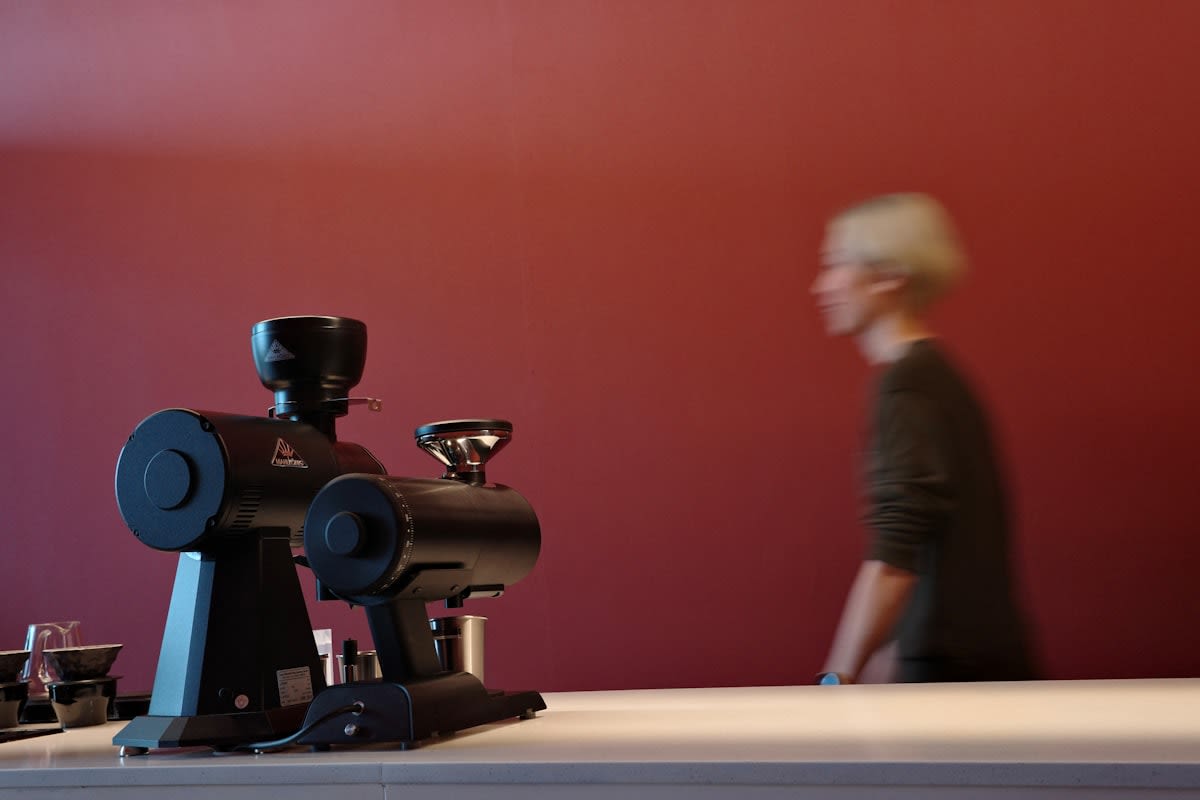
At the heart of this shift is precision fermentation. By engineering yeast or fungi to produce specific animal proteins—like casein or collagen—manufacturers can create identical molecular matches to dairy or meat without the animal. The breakthrough isn't the biology; it's the miniaturization. We are seeing the emergence of 'protein appliances' that resemble high-end espresso machines more than industrial equipment. These devices manage temperature, pH, and oxygen levels automatically, allowing a non-expert to grow protein in a residential or commercial kitchen.
"The goal isn't to replace the farm, but to move the synthesis to the point of consumption. We are effectively turning food production into a software update."— Dr. Elena Rossi, Lead Bio-Engineer at the Cellular Ag Consortium
This shift transforms the economic equation of food. Traditional protein carries a 'logistics tax'—the cost of fuel, refrigeration, and spoilage. In a POC model, the primary costs are the nutrient feedstock and the electricity to run the bioreactor. When you remove the need for a 5,000-mile cold chain, the cost per gram of protein drops precipitously, especially in regions where electricity is cheaper than imported logistics (Source: FAO, 2023).
| Feature | Centralized Cold Chain | Distributed POC Production |
|---|---|---|
| Primary Logistics | Refrigerated Transport | Digital Blueprints & Feedstock |
| Waste Profile | High (Spoilage/Transport) | Low (On-Demand Growth) |
| Energy Focus | Cooling & Fuel | Bioprocessing & Heating |
| Scalability | Linear (More Trucks) | Exponential (More Units) |
Beyond the hardware, the 'starter culture' economy is emerging. Imagine a world where you subscribe to a protein library. One week you download a sequence for a high-protein whey; the next, you switch to a collagen-rich broth for joint health. The bioreactor simply executes the code. This turns food into a service, where the value lies in the IP of the protein sequence rather than the ownership of the land or the livestock.
Global Resilience: From Singapore to Sub-Saharan Africa
The impact of this technology varies wildly by geography, but the theme is always resilience. In Singapore, where land is scarce and almost all food is imported, POC protein is a matter of national security. The city-state is already piloting urban protein hubs that integrate bioreactors into mixed-use developments. They aren't just reducing imports; they are eliminating the carbon footprint of the 'last mile' of the cold chain.
In the Global South, the narrative is different but equally powerful. In regions of Sub-Saharan Africa where the cold chain is non-existent or chronically unreliable, POC production is a leapfrog technology. Much like mobile phones bypassed landlines, bioreactors can bypass the need for refrigerated highways. Community-owned protein pods can provide high-quality amino acids using local agricultural waste as feedstock, insulating local populations from the volatility of global commodity markets (Source: World Food Programme, 2024).

The Practitioner's Friction: The Reality of Bio-Maintenance
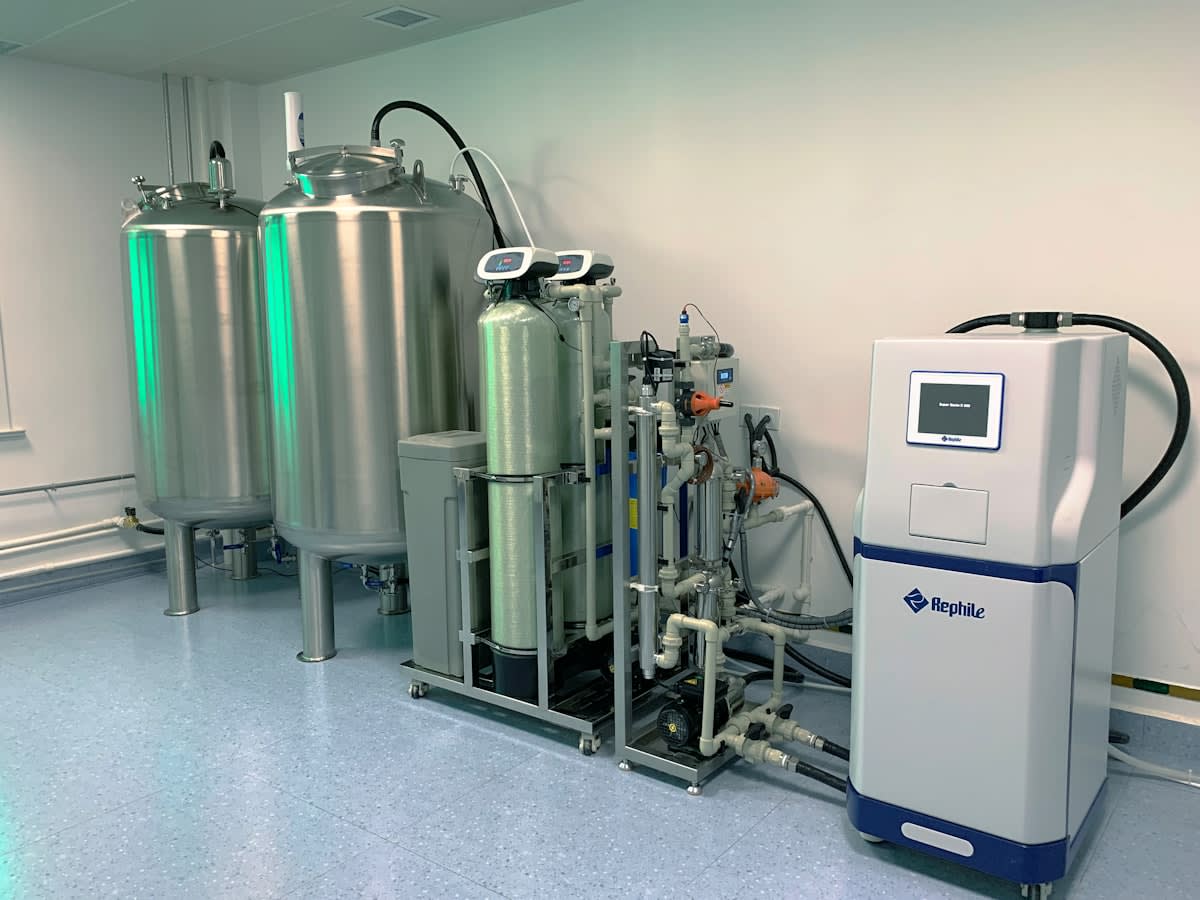
On the ground, the transition isn't seamless. If you talk to the technicians currently managing pilot POC units, the debate isn't about the biology—it's about the 'slop.' Maintaining sterility in a non-laboratory environment is a nightmare. Bio-fouling—where unwanted bacteria colonize the bioreactor—can ruin a batch in hours. Practitioners are currently arguing over whether the future lies in 'disposable cartridges' (which increase plastic waste) or 'automated CIP' (Clean-In-Place) systems that use chemicals to sterilize the tanks between runs.
There is also a significant tension regarding bio-security. When you decentralize production, you decentralize the risk. Regulators at the FDA and EFSA are grappling with a terrifying question: How do you ensure a home bioreactor isn't being used to synthesize something hazardous? The industry is pushing for 'locked' hardware—bioreactors that only accept encrypted, verified protein sequences—but critics argue this creates a corporate monopoly over the very nature of food.
The Economic Aftershock
The collapse of the cold chain will trigger a massive reallocation of capital. Trillions of dollars currently locked in refrigerated infrastructure will become stranded assets. We will see a shift in investment from logistics giants to 'feedstock' providers. The new winners won't be the companies that own the trucks, but the companies that produce the high-purity sugars and minerals required to feed the bioreactors. The energy grid will also feel the shift; instead of massive energy spikes at centralized warehouses, we will see a distributed load across millions of home appliances.
"We are moving toward a 'streaming' model of nutrition. The value chain is collapsing from producer-distributor-retailer-consumer into a simple producer-consumer relationship mediated by a digital platform."— Analysis from the 2024 Global Food Systems Report
Does this mean the end of traditional farming? Not necessarily, but it means the end of the commodity protein treadmill. Farmers may pivot toward producing the specialized feedstocks needed for these reactors. The focus shifts from quantity—producing as many tons of meat as possible—to quality and precision. The bottom line is that the physical movement of protein is an inefficient relic. The future is grown where it is eaten.
Fact-Check & Accuracy Note
Key claims regarding the shift from centralized to distributed production are based on trend analysis from the Good Food Institute (2024) and FAO (2023). The discussion on bio-security and 'locked hardware' reflects ongoing debates within the cellular agriculture regulatory community. Specific data on the 'logistics tax' is extrapolated from general cold chain efficiency studies provided by the World Food Programme.