Egg has 6g protein and almost no fibre: 5 foods that give you both
Source Entity
The Indian Express
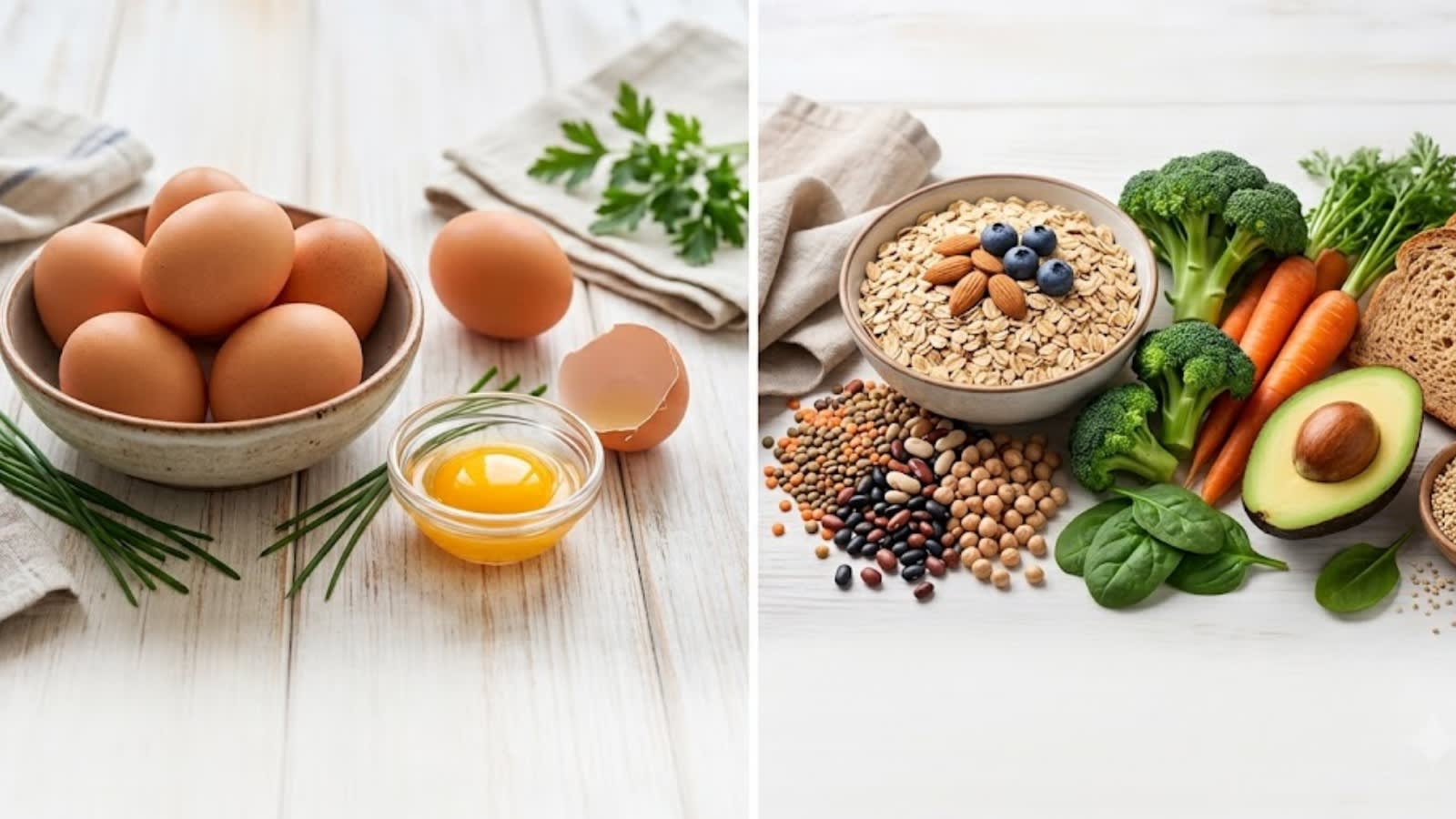
Eggs are a reliable protein source, but plant-based staples like lentils and chickpeas offer a superior nutritional balance. Integrating these foods provides both protein and essential fibre for improved dietary health.
Rethinking Protein: Beyond the Traditional Egg
For decades, the humble egg has been heralded as the gold standard of protein intake, often serving as the primary benchmark for nutritional quality. Containing approximately 6 grams of high-quality protein, it is a convenient, bioavailable option. However, as dietary science evolves, the focus is shifting toward holistic nutrient density, specifically the synergy between protein and dietary fibre. Recent expert insights from Dt. Ginni Kalra of Aakash Healthcare highlight a crucial limitation: while eggs are protein-rich, they lack the essential fibre necessary for optimal digestive and metabolic health.
The Fibre Gap in Modern Diets
The absence of fibre in animal-based proteins like eggs creates a nutritional imbalance that many consumers overlook. Fibre is not merely a digestive aid; it is critical for stabilizing blood sugar levels, promoting satiety, and fostering a healthy gut microbiome. When we rely exclusively on low-fibre protein sources, we may inadvertently miss out on the long-term metabolic benefits that come from consuming plant-derived proteins. The inclusion of fibre-rich alternatives is essential for those aiming to improve their overall nutrient profile without resorting to complex or expensive supplements.
Everyday Staples as Nutritional Powerhouses
One of the most encouraging takeaways from current nutritional guidance is that optimizing one's diet does not require the purchase of obscure or costly 'superfoods.' Staples such as lentils, chickpeas, and edamame—which are likely already sitting in most pantries—are potent alternatives that outperform eggs in terms of combined nutrient density. By choosing these legumes, individuals can secure a higher protein count while simultaneously hitting their daily fibre targets, making these foods highly efficient tools for meal planning.
The Synergy of Protein and Fibre
Integrating plant-based proteins into a daily regimen offers a dual advantage. Protein serves as the building block for muscle repair and maintenance, while fibre acts as a regulator for the body’s internal systems. This combination helps in preventing the post-meal 'slump' often associated with high-protein, low-fibre diets. By diversifying protein sources, consumers can ensure their bodies receive a wider spectrum of micronutrients and phytonutrients that are absent in animal products, leading to more sustainable energy levels throughout the day.
Future Trends in Dietary Awareness
The shift toward plant-forward nutrition is not just a trend but a necessary evolution in public health awareness. As more dietitians emphasize the importance of nutrient synergy, we can expect to see a greater push for 'whole-food' approaches that prioritize the quality of the entire food matrix rather than just a single macronutrient. Moving forward, the goal for health-conscious individuals should be to view meals as a collection of synergistic components, where protein and fibre work in tandem to support long-term wellness.
Conclusion: A Balanced Approach
Ultimately, while the egg remains a valid and useful protein source, it should be viewed as one piece of a larger nutritional puzzle. By incorporating pantry staples like lentils and chickpeas, one can easily bridge the fibre gap and enhance the quality of their diet. This simple, evidence-based adjustment represents a practical path toward better health, proving that the most effective dietary changes are often the most accessible ones.